
Advantages of distributed power
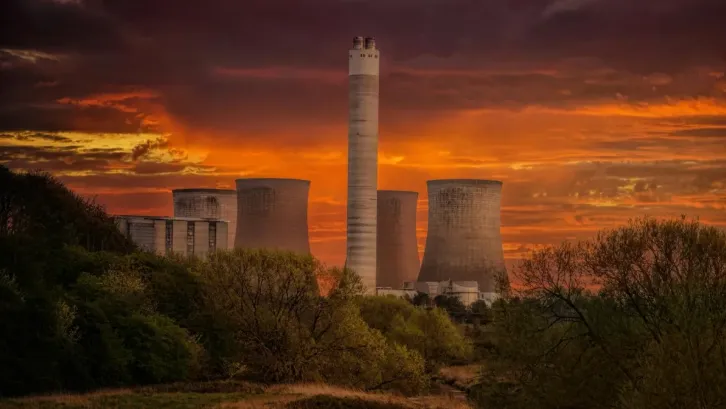
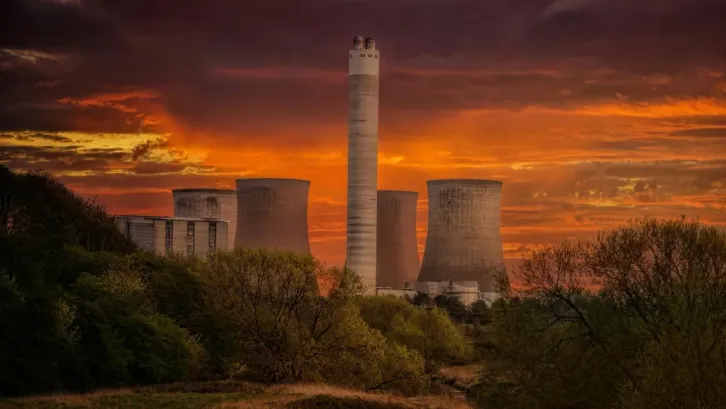
By Klaus PayrhuberThe demand for energy, especially in Asia, is growing faster than in many developed regions of the world. Traditionally, power generation has relied on fossil fuels and hydroelectric applications. Nuclear energy, which also has developed over the last 50 years, is being introduced in new regions of the world while being phased out of others. All of these types of power plants are generally larger in scale, producing hundreds of megawatts. Traditionally, the main drivers for larger power plants have been higher efficiency and lower installation costs, but the way power projects are evaluated is becoming increasingly complex. With both “flexibility” and the integration of renewable energy becoming increasingly important, more efficient natural gas-fired distributed power applications are growing in popularity.
Natural gas has become a fuel of choice due to many reasons, including the cost and environmental benefits compared to other fossil fuels. In today’s large gas turbine combined cycle plants power block sizes can be as large as 400 or 500 MW and achieve efficiency levels of up to 60%. Meanwhile, mid-sized gas combined cycle plants can achieve efficiency levels of greater than 50% but can offer better operating flexibility, especially when the gas turbines are aeroderivative units.
In short, the smaller the power plants, the better the operating flexibility. Small power plants also are very often built as simple cycle plants without an expensive, bottoming steam cycle. By not adding a steam cycle, the plant features simple cycle efficiency. As a result, simple cycle efficiency is now becoming increasingly important. This is why reciprocating gas engines are in greater demand for power generation. New technologies like 2-stage turbocharging on a 4.4 MW gas engine make this engine—which features an efficiency of greater than 46%— very attractive as this mid-sized gas engine is efficient as many other large gas engines in the 10 MW range.
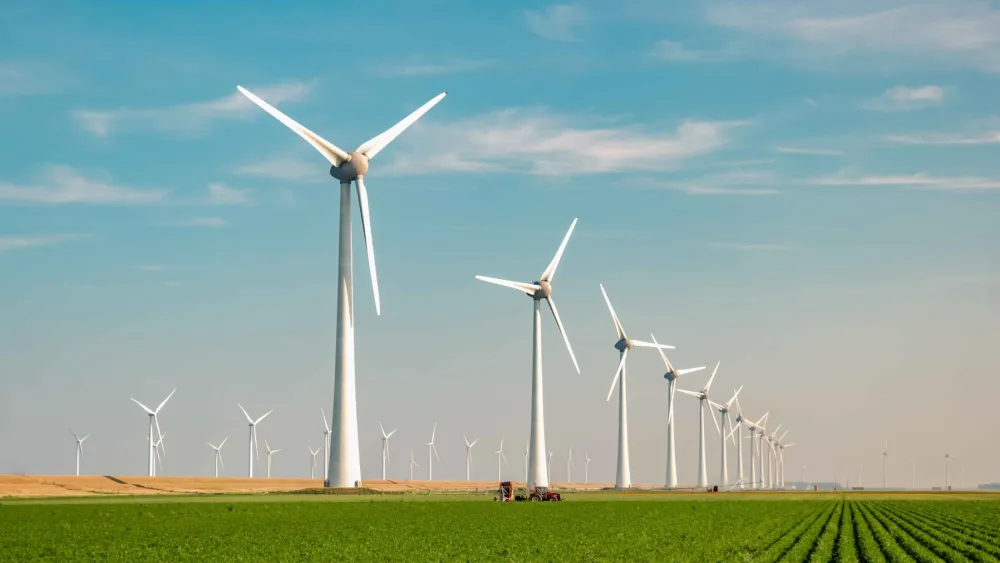
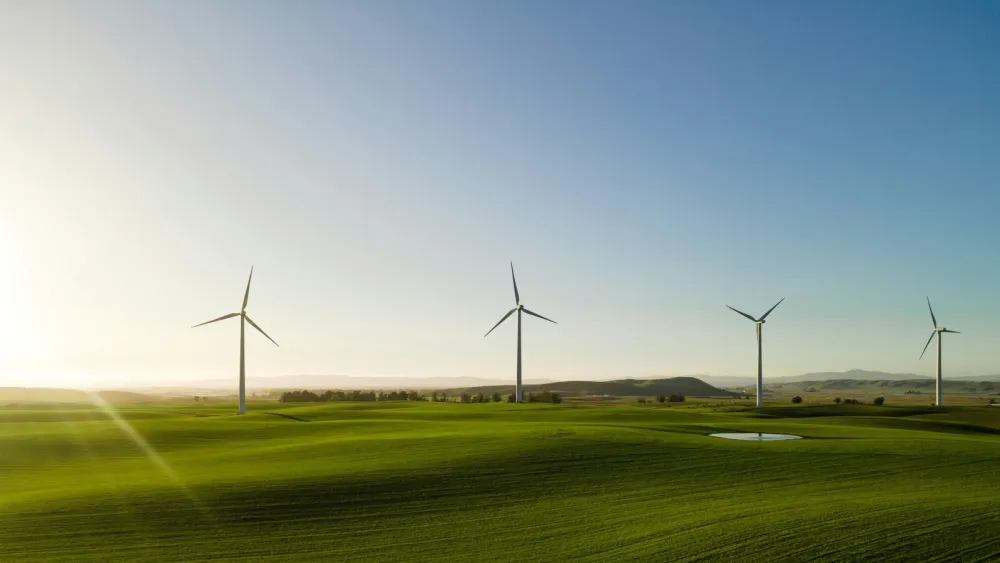
Since gas engines are typically smaller in power output, gas engine power plants are very often built with multiple gas engine power blocks to achieve up to 50 or 100 MW power plant output levels. This multiple unit installation offers many advantages, including the highest part- load efficiency because the units shut down due to lack of demand, allowing the remaining engine units to always run with maximum efficiency. These smaller units also can be started up much faster than larger generating units, making them very flexible for the operator. That flexibility becomes increasingly important to help the operator handle intermittent supply as more renewable energy, including wind and solar, are added to the grid. Renewable energy projects are typically distributed power plants installed in remote locations. Smaller gas-fired distributed power plants can be installed close to more intermittent renewable power facilities. Such smaller gas power projects also can be installed in combined heat and power mode to add other functionalities and improve the fuel utilization while at the same time balance the intermittency of wind and solar.
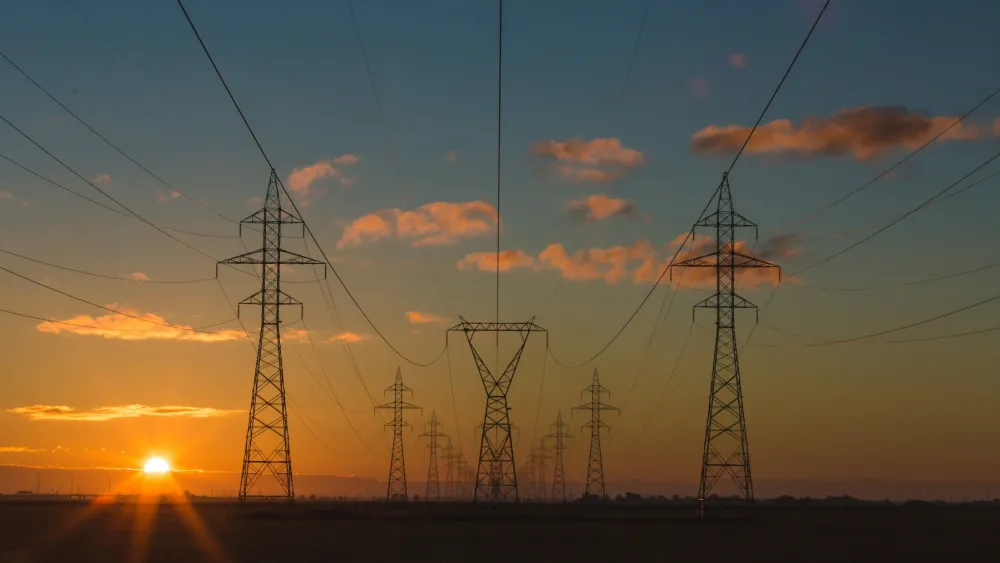
What is needed for distributed power is a distributed gas network that either exits or is under construction. Actually, distributed smaller power plants support the development of the gas network as they increase the demand for the gas distribution system, rather than on a bigger gas transportation line. In addition, distributed power projects do not rely on large electric transmission lines because they use lower voltage lines and the distribution network. Distributed power also supports and stabilizes the grid locally.













 Read Here
 Advertise
 Sign Up