Supply and demand problems in China
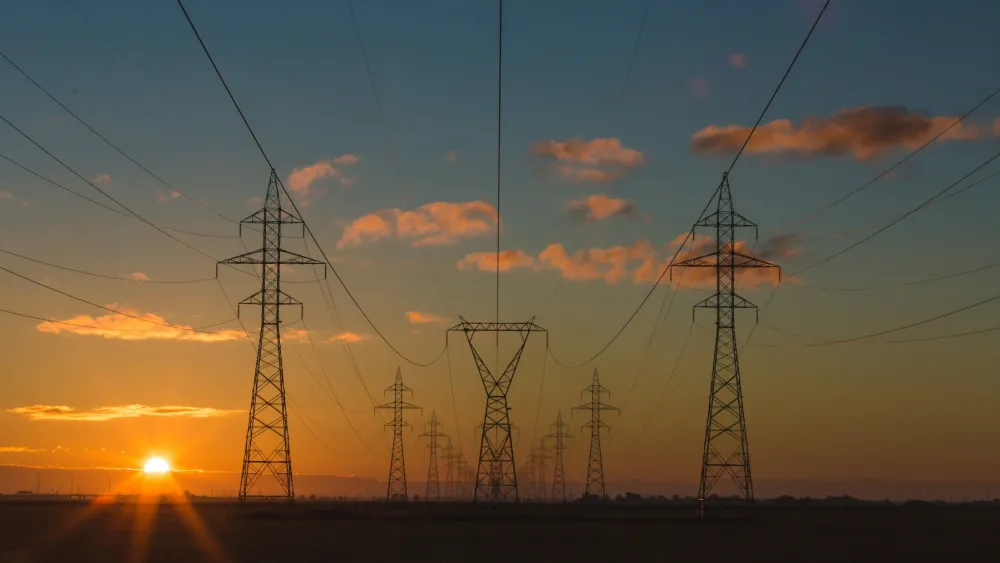
Consequently, the country’s grid companies will need to improve their power transmission technologies.
As China swiftly moves forward with its ambitious plans to install significant amounts of clean renewable energy capacity in order to lessen the nation’s environmental impacts upon the world it is starting to experience the common problem of supply and demand.
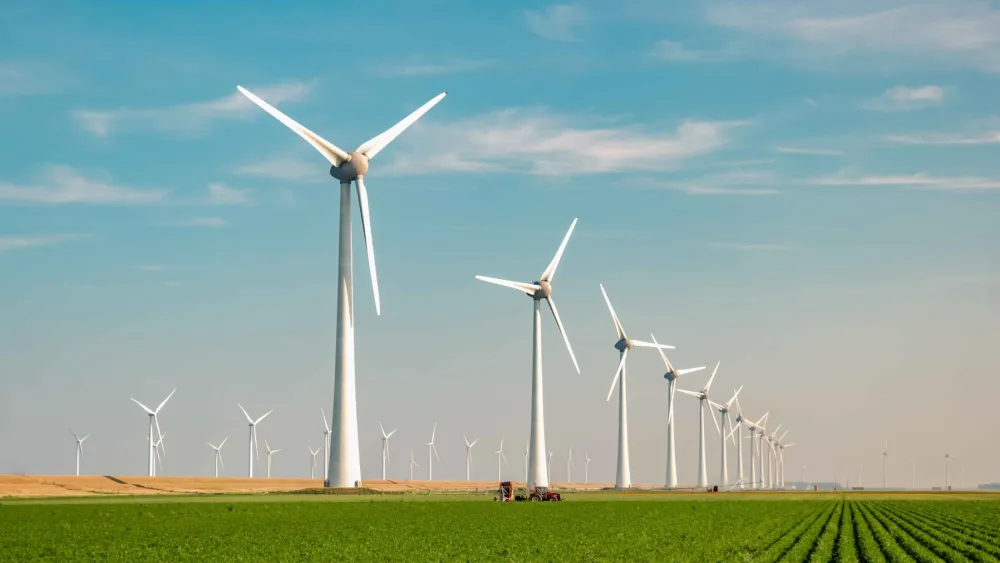
The country has already become one of the world’s largest producer of wind-powered energy which is in itself is admirable as this has happened in only a few years. Indeed, there are plans afoot to further increase this clean energy resource plus expanding the role of solar energy. It is the Chinese Government’s stated intention that the country’s clean energy power producers will become significant contributors to China’s total installed capacity.
However, some serious problems lay ahead with this plan as industry experts estimate that something like one third of China’s wind generated electric power could not be transmitted efficiently across the grid. Consequently, the country’s grid companies will need to improve their power transmission technologies and enhance national grids capability to absorb more power produced by renewable energy power generators.
The current situation for most clean energy capacity in China is that clean energy produced from renewable resources in the country’s resource-rich, underdeveloped north western regions must be sent to the resource-scarce developed and prosperous coastal regions. This need for transmission facilities comes from the simple fact that regions rich in natural resources such as Gansu province and Inner Mongolia could not consume all of the wind-generated electric power they produce.
A major problem that exists in China today is the relative independence between grids in the country which makes simultaneous transmission difficult. In a recent report the Director of the Institute of Electrical Engineering of the Chinese Academy of Sciences, Xiao Liye suggested the use of ‘smart-grids’ as an ideal solution to the problem.
The transmission grid expert said that the safe, efficient and reliable ‘smart-grids’ included an intelligent monitoring system that could integrate alternative sources of electricity, such as solar and wind, on a large scale. He said that ‘smart-grids’ and renewable energy should be developed together like twin brothers.
So all we need now is for the companies who are developing these capable ‘smart-grids’ to communicate effectively with the country’s transmission companies to formulate a solution that will work for renewable energy in China. I wonder how long it will take for this simple solution to be implemented.















 Read Here
 Advertise
 Sign Up