Rethinking flood resilience and penetration engineering in operational continuity
As monsoons intensify and electrification accelerates across Asia Pacific, flood-related downtime is rarely caused by structural failure, but by ordinary cable and pipe penetrations.
Across the Asia Pacific region, the climate is becoming increasingly unpredictable, despite its location in a largely tropical zone. Rainfall is arriving more frequently and more intensely, whilst grid construction is accelerating. Storm surges, erratic monsoons, and rising groundwater are routinely challenging power grids, data centres, transport hubs, and processing plants beyond their original designs.
Yet when an asset experiences flood-related downtime in power, industrial, and infrastructure systems, the root cause is rarely a structural failure of the building. More often than not, it is a micro-level design oversight, in which water enters through ordinary interfaces such as cable transits, pipe penetrations, conduits, sleeves, duct banks, floor openings, and interfaces between underground routes and buildings. These points can be below ground level, concealed behind equipment, or distributed across several engineering packages.
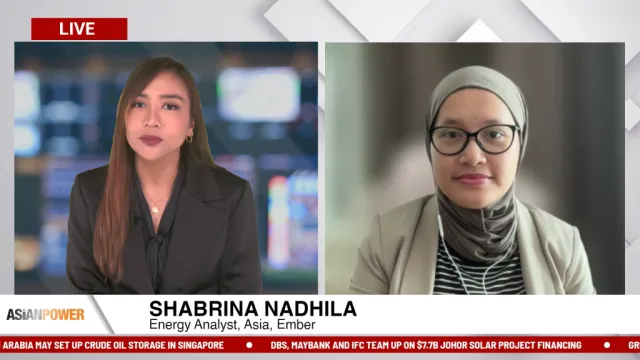
Dingxiang Lin, Managing Director at Roxtec Singapore, discussed in an interview with Asian Power how flood-related outages in Asia Pacific are usually the result of micro-level design oversights, not building failures.
Leading the company’s business across Southeast Asia with a strong focus on infrastructure resilience and flood risk mitigation, he talked about treating sealing as an engineered, audited system, rather than an afterthought, to protect power, data centre, and industrial assets.
The true cost of flood vulnerability
In the past, contractors used traditional methods of sealing, such as mastics, foams, compounds, resins, and concrete with drainage, for lower upfront costs. But these methods do not seal between cables, resulting in underperformance in monsoon conditions and in the face of groundwater pressure or high cable load. Small design decisions can lead to major disruptions if systems are not properly protected.
“Change is another important factor. Power and industrial facilities are routinely upgraded, and adding or removing a cable can require a cured seal to be cut and remade. If that intervention is not controlled and documented, the original protection can be lost,” Lin said.
The most serious damage is not always caused by a single flood. Persistent seepage over a long monsoon can create damp and corrosive conditions around cables, panels, and equipment. Over time, this may degrade insulation, corrode components, lower reliability, and increase the risk of short circuits, nuisance trips, and premature equipment failure. Water can also migrate through conduits and cable routes, so the point where damage appears may be some distance from the original leak.
Attempting to reduce initial construction costs by using cheap materials leads not only to more maintenance and repair costs but also to future liabilities. Beyond driving costly repairs, an unprotected cable or pipe penetration allows water and persistent humidity into basements, trenches, and switch rooms, triggering condensation, corrosion, and partial discharge activity. Ultimately, this could lead to switchgear failure, safety risks, and unplanned outages. Specifically for owners of power, data centre, and industrial assets, flood resilience is not only a civil engineering issue but also an operational continuity issue.
Beyond the physical repair costs, unmanaged penetration sealing introduces major liabilities, not only for the contractor but also for the asset owner.
Outages may result in having to pay compensation claims from major industrial and data centre clients that cannot tolerate any power interruptions. This also directly influences capital allocation from investors in a region undergoing rapid electrification.
In contrast, sealing correctly during the initial construction phase represents only a small fraction of the total project cost and is far lower than the cost of flood-induced outages and other consequences from day one.
Protecting critical systems
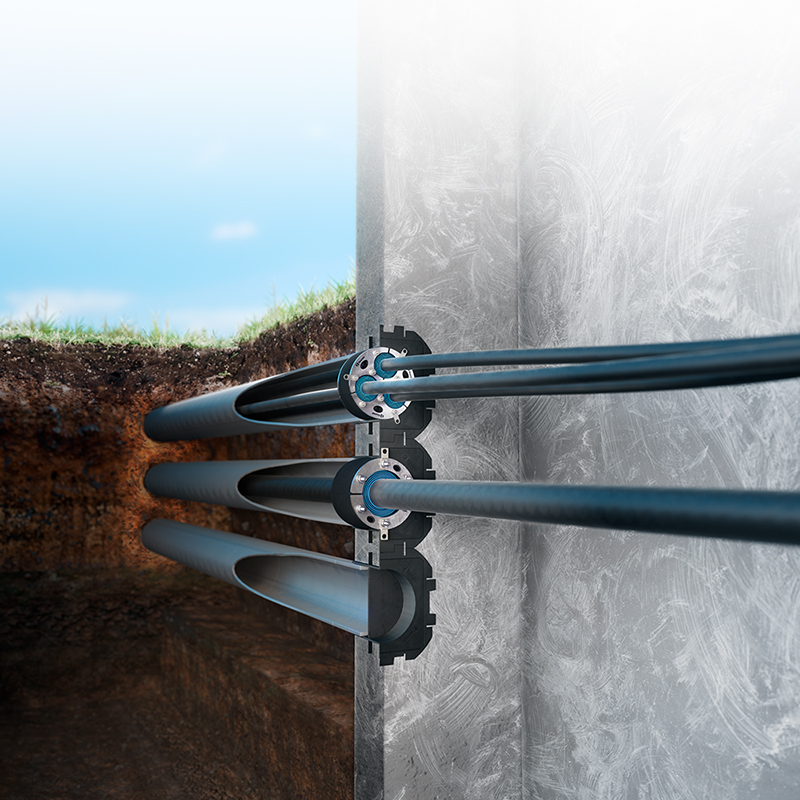
To protect critical infrastructure against evolving climate pressures, owners and design lead teams must shift their view of penetration sealing from an afterthought to an engineered, audited system.
This strategy relies on five key principles: certified and tested sealing solutions, built-in spare capacity for future cable additions, re-enterable solutions that simplify modifications, traceable verification and documentation, and installation by trained Roxtec installers.
At the design stage, sealing systems must be specified, ensuring they have been certified to endure water pressure, gas tightness, fire resistance, and cable retention. Teams should engineer modular sealing systems to accommodate future additional cables or pipes without compromising the flood barrier. Seals should then allow non-destructive installation and modification that accommodates different cable diameters during plant upgrades.
At handover, each penetration should be documented and verified, creating a traceable baseline for future inspections and modifications. Proper installation helps maintain the designed performance of the sealing system, providing a reliable foundation for ongoing inspection, maintenance and future modifications.
In addition, companies that provide sealing solutions for cable and pipe transits, such as Roxtec, treat the protection of high-stakes projects as an engineering lifecycle challenge that continues as the asset or building evolves.
“During design, we help owners, consultants and EPCs identify penetration risks, define performance requirements and select tested sealing solutions. During execution, we support detailing, installation guidance and quality assurance. Once the facility is operating, we can support inspection of installed seals, documentation and recommendations for corrective action or future expansion. The objective is to create a verifiable barrier at every opening and maintain that protection as the asset evolves,” Lin added.
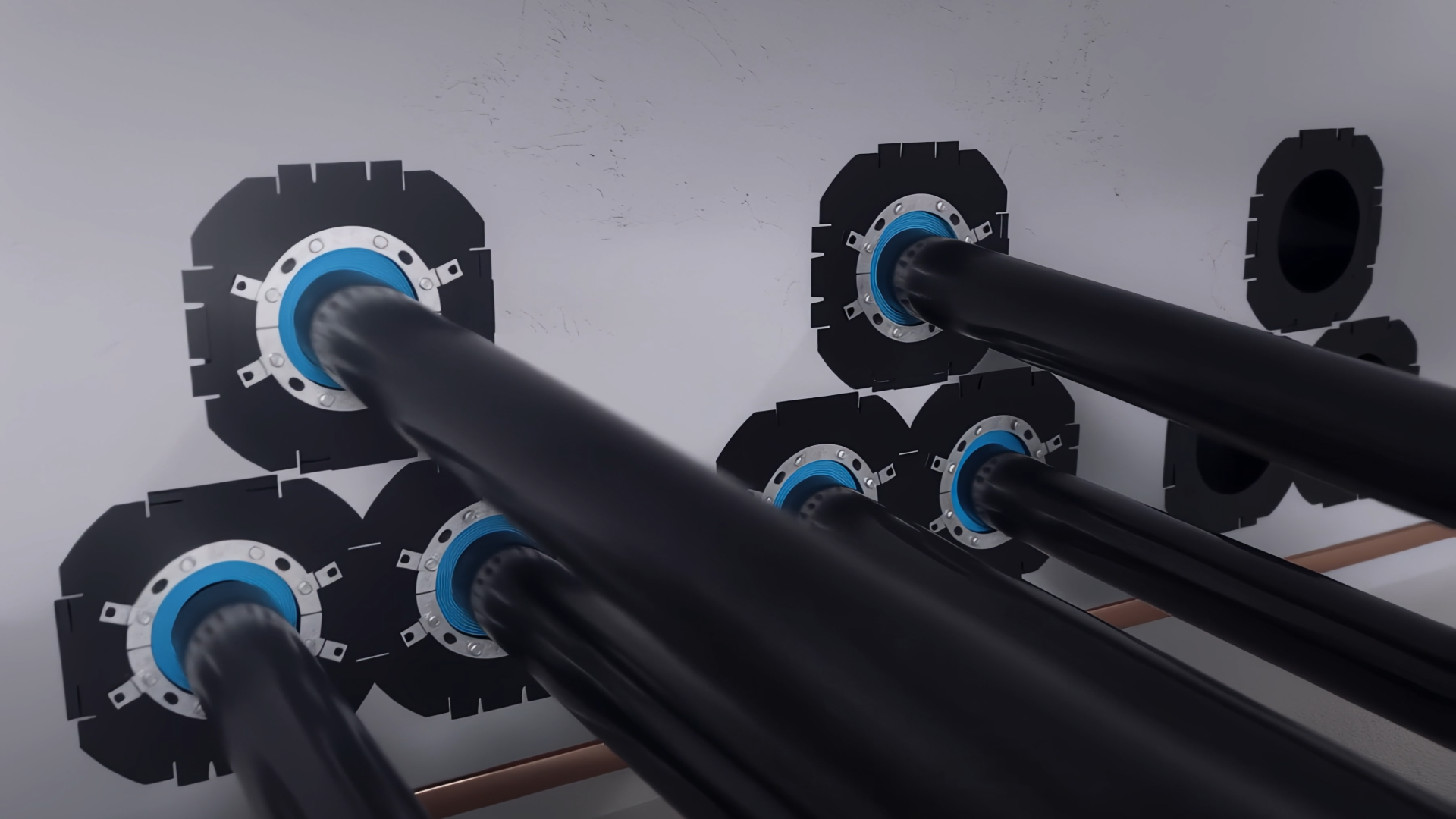
Engineers can also use Roxtec BIM (Building Information Modelling) objects and 3D models during LOD (Level of Development) 300 design development to integrate resilient sealing details early into their workflow. These resources can help engineers allocate correct opening sizes, coordinate cable and pipe penetrations, and reserve future capacity before drawings are frozen. They can be accessed through the Roxtec website and major BIM hosting platforms.
Find the balance between value, risk, and cost
Ultimately, asset owners should weigh the upfront cost of penetration sealing against its lifecycle value, as the cost of even a short outage can exceed the investment needed to design and seal penetrations effectively from the outset. Instead of perceiving a compliant, flood-resilient sealing system as a unit cost, compare it with the potential consequences of failure, which can include emergency response, equipment replacement, clean-up, regulatory or safety exposure, business interruption, and loss of service.
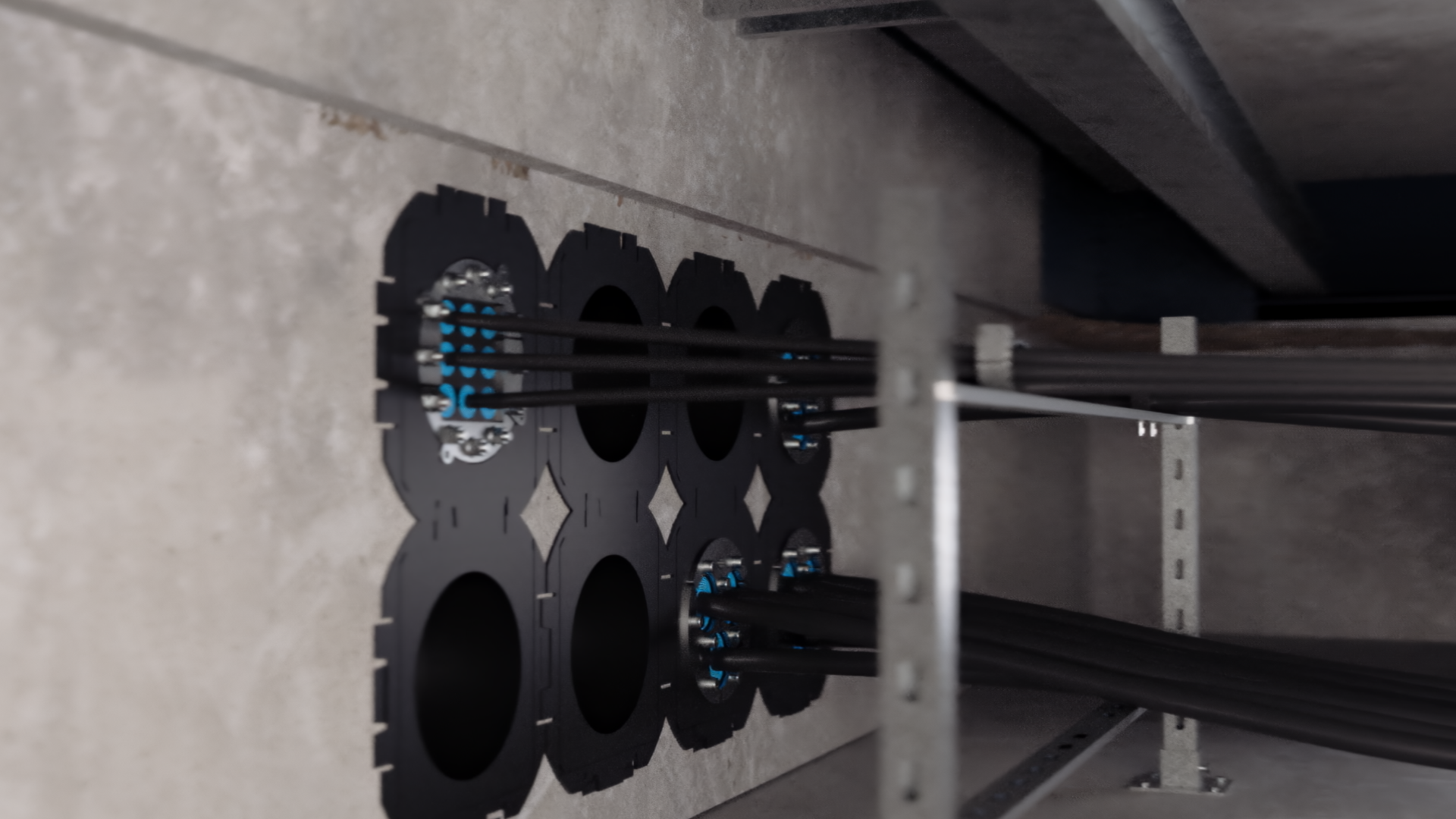
“Bring penetration management into the resilience strategy at concept and detailed-design stages. Map every cable, pipe and conduit opening; define the expected water, fire and environmental performance; coordinate interfaces across disciplines; and reserve capacity for future cables and pipes,” Lin said.
From there, owners need to translate those requirements into approved details and an inspection and test plan for execution. During the handover, they will need to maintain an auditable log and re-inspect seals after alterations, water events, or at risk-based intervals.
Roxtec can support owners across that lifecycle, working with consultants and project teams on surveys, design input, technical documentation, and selection of tested solutions.
“During construction, we provide installation training, supervision support, and quality checks. For operating facilities, our inspection services can assess seal condition and configuration, identify non-conformities, document findings, and recommend remediation or upgrades,” Lin explained. “Our value is therefore broader than supplying a sealing product: we help owners establish and sustain a dependable penetration-management system from design through execution and operation.”
Know where your facility is vulnerable before the next monsoon. Assess critical cable and pipe penetrations, identify potential water ingress risks, and take action before they affect operations. Talk to Roxtec about a penetration survey or learn more about their services here.











 Read Here
 Advertise
 Sign Up