
Indonesia’s data centre demand outpaces grid capacity
PLN has committed more than 1 GVA each to BDx and Digital Edge in Greater Jakarta.
Indonesia’s Java-Madura-Bali grid can absorb only 3,207 megawatts (MW) of more than 12,000 MW in projected high-voltage data centre demand from 2026 to 2030, forcing state utility PT Perusahaan Listrik Negara (Persero) or PLN to speed up grid upgrades as developers seek connections faster than substations can be built.
PLN is considering mobile substations to bridge the gap between an 18-month developer timeline and a 24-month substation construction schedule, Imam Makhfud, vice-president of strategic planning and transmission asset management at PLN, told Asian Power.
It is also accelerating transmission projects beyond its 2025–2034 electricity plan, including upgrades at Tambun, Karawang, Margakarya, and Pasir Ranji.
“Mobile substations are highly effective in closing the gap between data centre power needs and grid construction lead times,” he said in an emailed reply to questions. “They also help us avoid opportunity loss and mitigate stranded assets.”
The grid faces pressure in key data centre locations. Substations in Deltamas, Cibatu, and Cirata are expected to reach or exceed 90% loading in 2026 and 2027 under a scenario in which one major component fails.
PLN has 49.2 gigawatts of generation capacity on the Java-Madura-Bali system and keeps a reserve margin of 33% to 35%, Makhfud said.
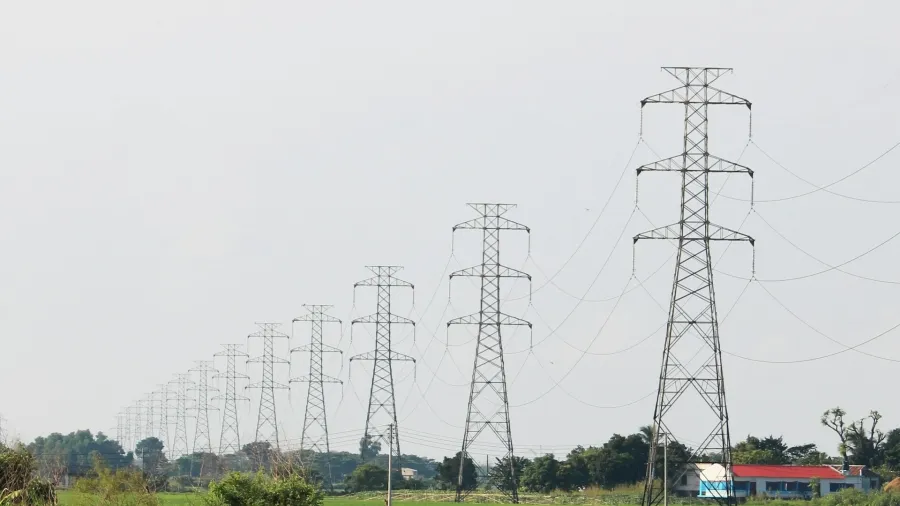
But electricity supply alone does not resolve connection delays: the utility must also expand transmission and substations to deliver power to data centre clusters.
PLN requires developers to commit to minimum electricity consumption under standard power purchase agreements to reduce the risk of unused capacity. It assesses projects before committing infrastructure spending, Makhfud said.
“If coordination is done late or requirements change significantly, the risks are design changes, connection delays, additional investment costs, and mismatches between built capacity and actual load,” he said.
PLN plans for demand by mapping clusters by location, staging capacity against load projections, and aligning connection timelines with grid capability, said Nayusrizal, PLN's Executive Vice President of Retail and Commerce.
“Data centre customers also need dedicated connection infrastructure,” Nayusrizal said.
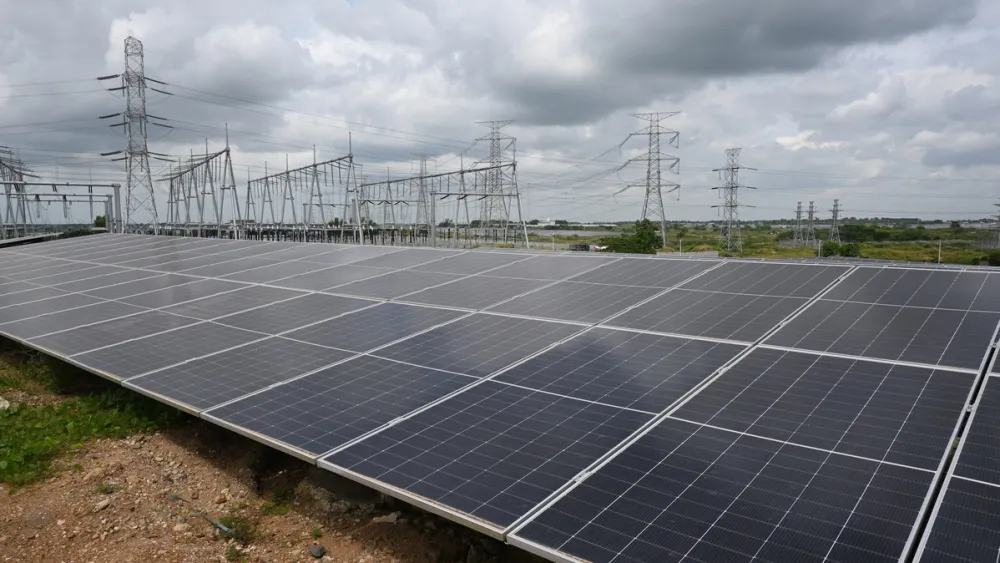
"Green energy is channelled through transmission and substations, then delivered through dedicated connection infrastructure," he added.
Indonesia has about 637 MW of operating data centre capacity in an economy of 285 million people, said Jason Ong, director at strategy advisory firm YCP Holdings (Global) Ltd.
Microsoft Corp., Google LLC, Amazon Web Services, Inc., and Oracle Corporation operate cloud regions in the country. CoreWeave, Inc. has announced plans for 360 MW of capacity, whilst a $5-billion artificial intelligence campus backed by Chinese investors is planned in Batam.
Electricity demand from Indonesian data centres is projected to quadruple to about 26 terawatt-hours by 2030, according to YCP, citing a May 2025 report by Ember Energy Research CIC, the UK-based energy think tank.
Foreign investors are funding computing capacity and data centre facilities rather than power generation, Ong said.
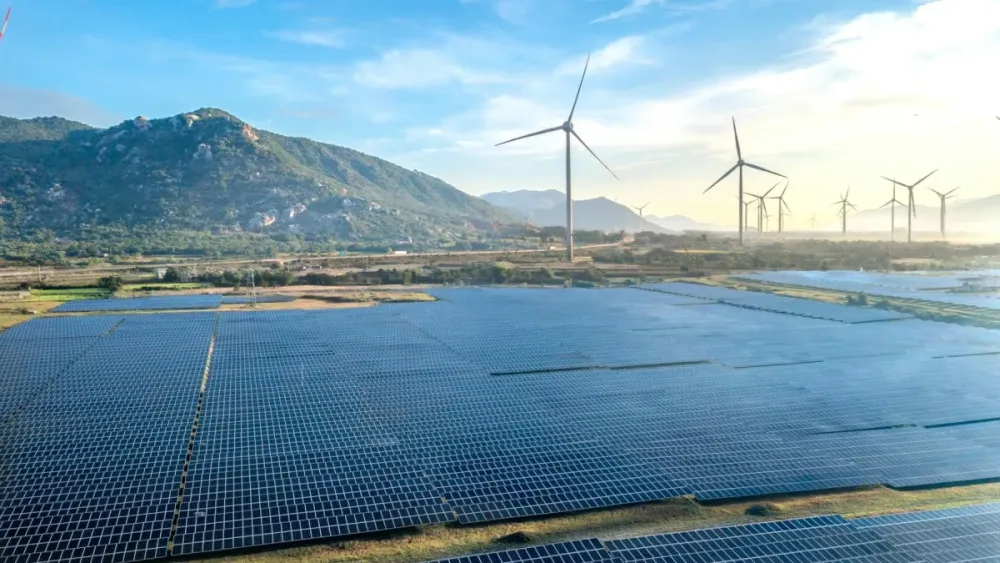
PLN’s 2025–2034 electricity plan assigns about 49 gigawatts, or 73% of planned capacity additions, to independent power producers, including 42.6 gigawatts of renewable energy.
It has committed more than 1 gigavolt-ampere (GVA) of capacity each to data centre operators Big Data Exchange (BDx) and Digital Edge (Singapore) Holdings Pte. Ltd. in Greater Jakarta, and signed a 450-MW supply agreement with developer DayOne Data Centers Ltd. in Batam. The investors are buying electricity from PLN rather than building their own power plants, Ong said.
Indonesia’s single-buyer electricity market, regulated tariffs, limited direct corporate power purchase agreements, and unresolved rules for using third-party transmission networks make it difficult for data centre operators to contract directly with power generators, he pointed out.
Regulatory uncertainty adds to the infrastructure constraints. Indonesia’s data centre rules remain in draft, whilst the government is redesigning a tax holiday to account for the global minimum tax, with no replacement framework published, Ong said.
Indonesia accelerated a 100-gigawatt-peak solar programme in September and revised its 2025–2034 electricity plan to accommodate it.
Singapore has also conditionally approved about 3.4 GW of electricity imports from Indonesia, creating competition between domestic data centres and exports for renewable power, Ong said.
“Indonesia is moving fastest on power but is furthest behind on predictable rules,” he added.














 Read Here
 Advertise
 Sign Up