India's renewable energy capacity could reach 530 GW by 2030
Solar PV is expected to account for over 80% of new capacity additions.
India's renewable power capacity is projected to reach approximately 530 gigawatts (GW) by 2030, up from over 300 GW, according to an International Energy Agency (IEA) report on 3 November.
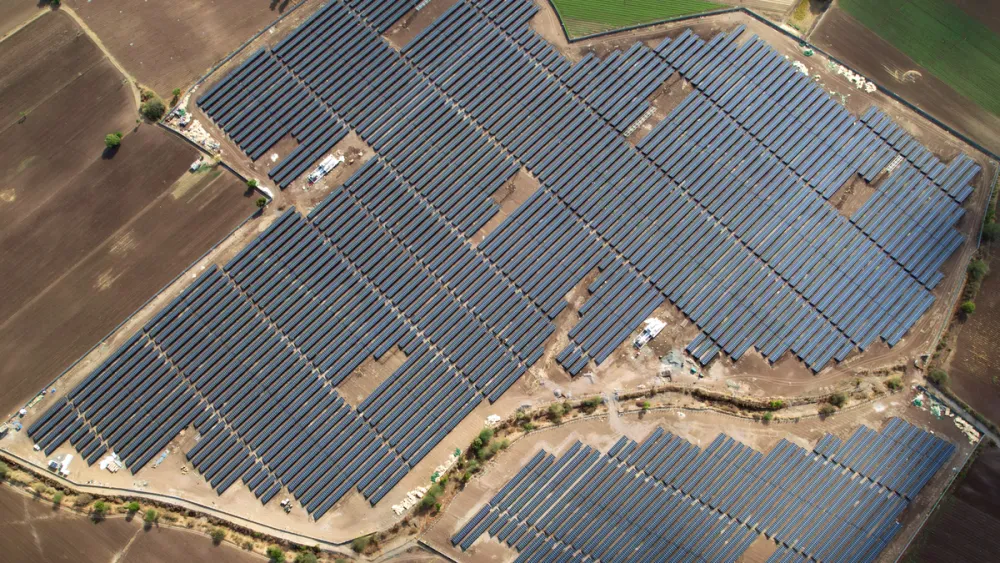
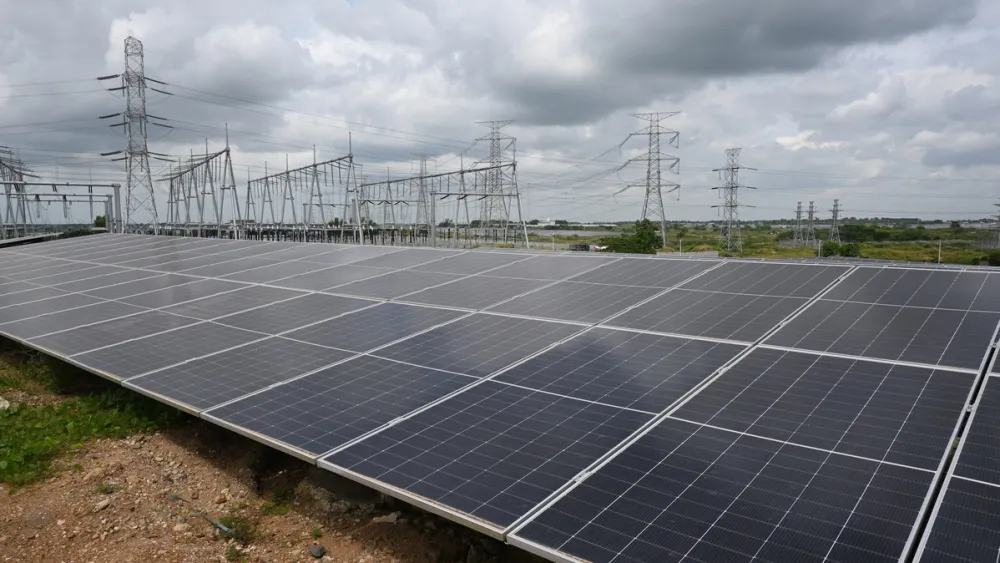
The report said solar photovoltaic (PV) installations would account for more than 80% of capacity growth, with solar capacity expected to exceed 350 GW during the forecast period.
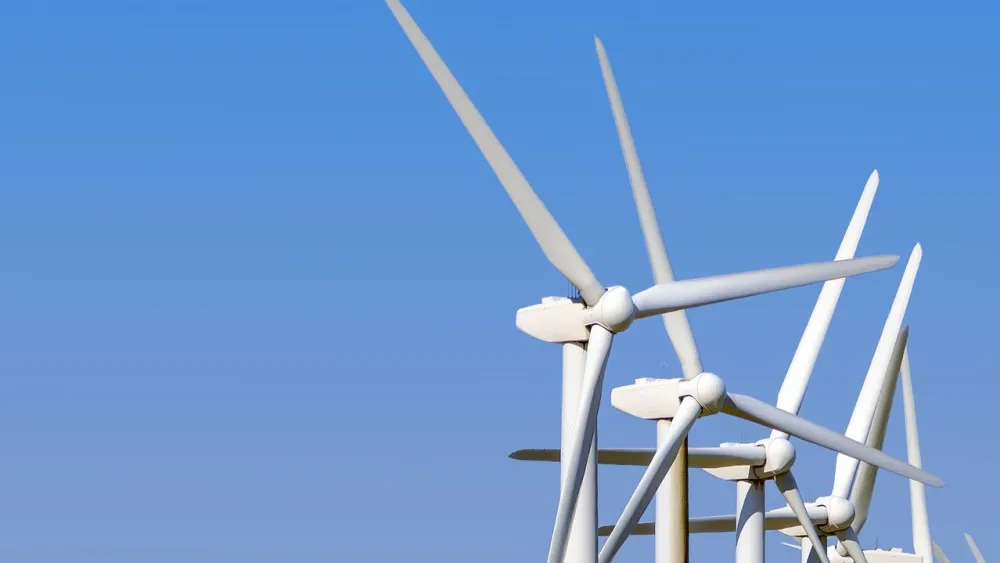
Wind capacity is forecast to approach 90 GW, whilst hydropower is expected to reach 75 GW.
IEA expects renewable electricity generation to approach 950 terawatt-hours (TWh) by 2030, nearly doubling from over 500 TWh in 2025.
Renewables' share of electricity supply is projected to increase to 35% from approximately 25% over the same period, it added.
The report found that India's renewable power capacity has nearly quadrupled over the past decade, making it the world's second-fastest-growing renewables market.
The country also ranks as the second-largest solar PV module manufacturer, with annual manufacturing capacity reaching approximately 225 GW in September.
The IEA said utility-scale solar PV generation costs stood at $30 to $35 per megawatt-hour, whilst tariffs for solar projects commissioned in 2025 were around 40% below the average cost of coal-fired electricity.
IEA Executive Director Fatih Birol said consistent policies could help drive down renewable energy costs and attract investment.
“India’s renewables expansion is delivering major benefits for its energy security at a time of heightened uncertainty in global energy markets,” Birol added.
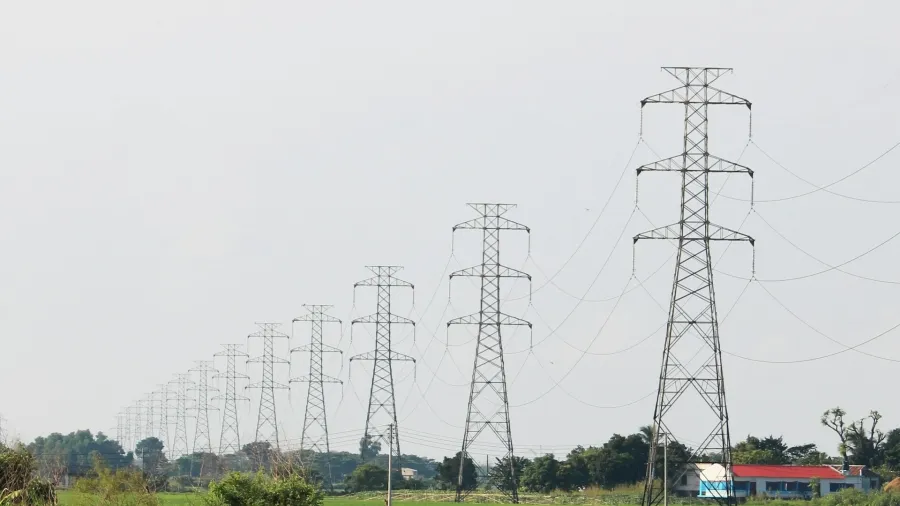
However, the agency warned that further renewable expansion would require faster investment in electricity grids, storage, and system flexibility, along with stronger utility finances and fewer project delays.
Addressing these constraints could accelerate renewable capacity deployment by more than 20% between 2026 and 2030, IEA added.














 Read Here
 Advertise
 Sign Up