Southeast Asia’s projected 5.4% power demand seen straining energy security
Cooling demand, data centres, and industrial expansion will drive this increase.
Southeast Asia’s electricity demand is projected to grow 5.4% annually from 2026 to 2030, driven by greater use of cooling, expanding industries, and the growth of data centres, according to the International Energy Agency (IEA).
Its ASEAN Energy Security Review said energy demand per person rose by nearly 30% over the past decade, driven by economic growth, industrial development, urbanisation, and rising living standards.
Simultaneously, regional crude oil production has fallen by 40% from its peak in the 1990s, whilst crude and liquefied natural gas (LNG) imports have increased.
IEA said growing LNG imports are exposing several countries to global gas-market volatility.
“The severe disruptions to energy flows through the Strait of Hormuz this year have underscored the importance of preparing for shocks to international fuel markets and strategic shipping routes,” the agency said.
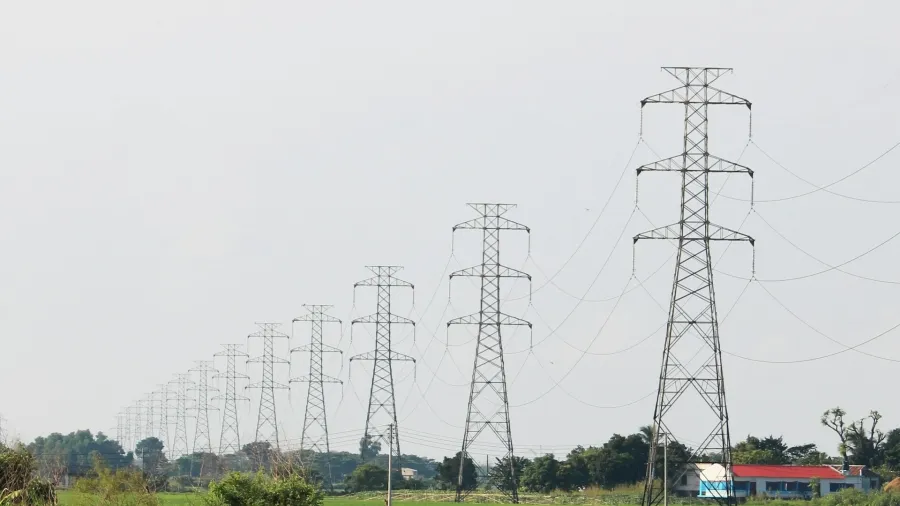
It added that reliably meeting this demand will require investment in grids, generation capacity, and system flexibility, alongside planning for fuel supply risks and extreme weather.
IEA called on ASEAN countries to diversify their sources and routes of supply and maximise the use of domestic energy resources where economically viable.
It also called for clearer emergency procedures, stronger market monitoring, and regular exercises to test how countries would respond to major disruptions.
The review recommended expanding electrification and energy efficiency to ease pressure on fuel imports and power systems across the region.
“Energy security must be built into decisions across the whole system from oil stocks and gas infrastructure to electricity grids and more efficient use of energy,” said IEA Executive Director Fatih Birol.
The report said that turning regional commitments into working arrangements for information sharing, emergency response, and cross-border support will be increasingly important as the region’s energy needs grow.
It said this can be supported by putting the ASEAN Framework Agreement on Petroleum Security for emergency planning and oil stockholding into action.














 Read Here
 Advertise
 Sign Up