ASEAN needs up to 26GW of storage by 2030, Ember says
The region needs $281b in annual investment by 2035 for a full energy transition.
ASEAN needs up to 26 gigawatts (GW) of energy storage by 2030, but only around 7 GW of projects have been publicly announced, as financing barriers shift from access to capital to project bankability, according to Ember.
The report, “Bankable by design: Financing ASEAN’s energy system transformation,” published on 7 October, said the region needs $281b in annual investment by 2035 to achieve a full energy transition.
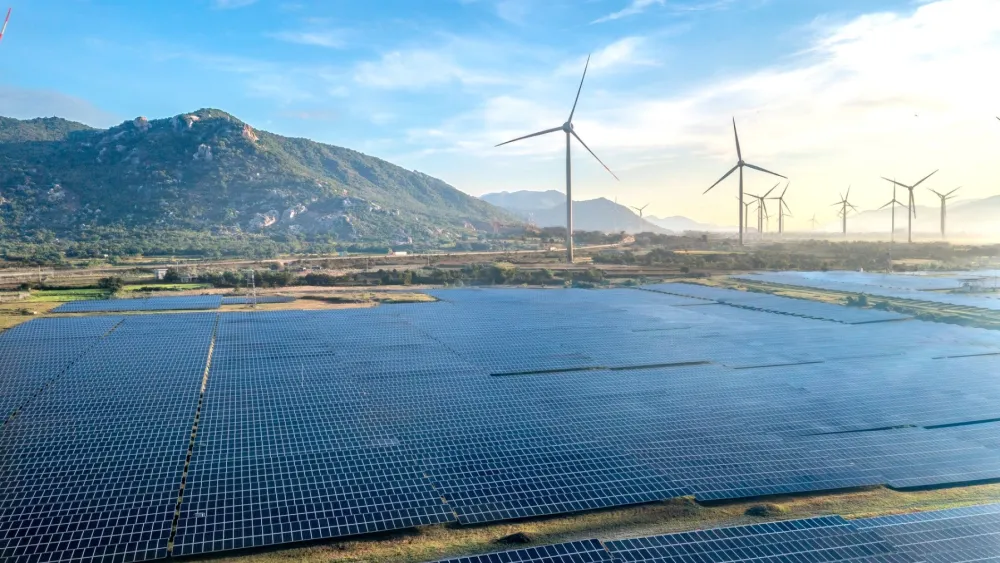
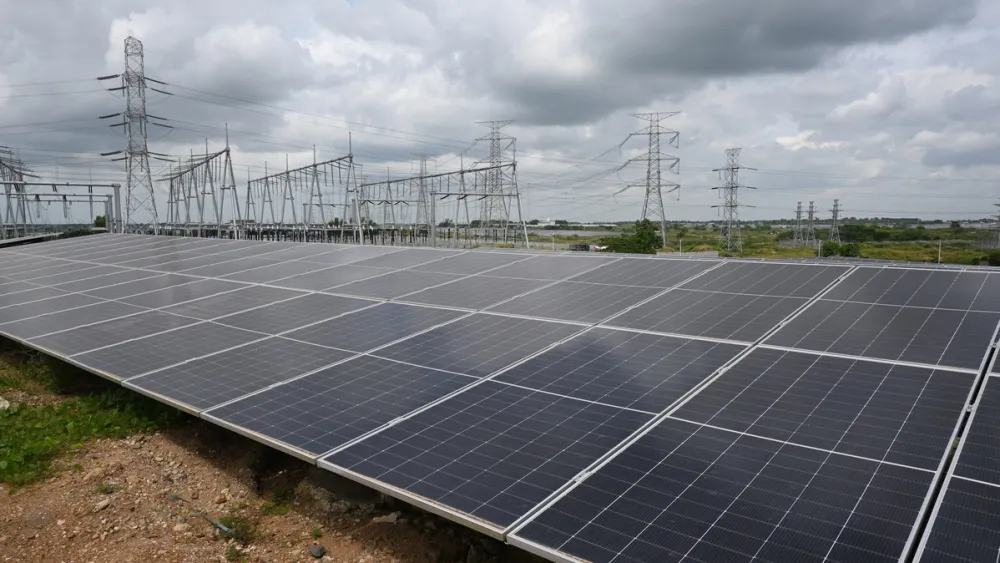
Solar capacity has risen to 39 GW and wind capacity to 9.6 GW over the past decade, with ASEAN aiming to more than triple this capacity.
However, financing structures and market rules must evolve to support distributed renewable energy, storage and transmission infrastructure.
“The financing bottleneck in ASEAN's energy transition has shifted from raising capital to creating bankable assets,” said Dr Alnie Demoral, Energy Analyst at Ember.
Transmission projects generate estimated equity internal rates of return (IRR) of 7.2% to 8.8%, below the report’s 12% benchmark for private investors.
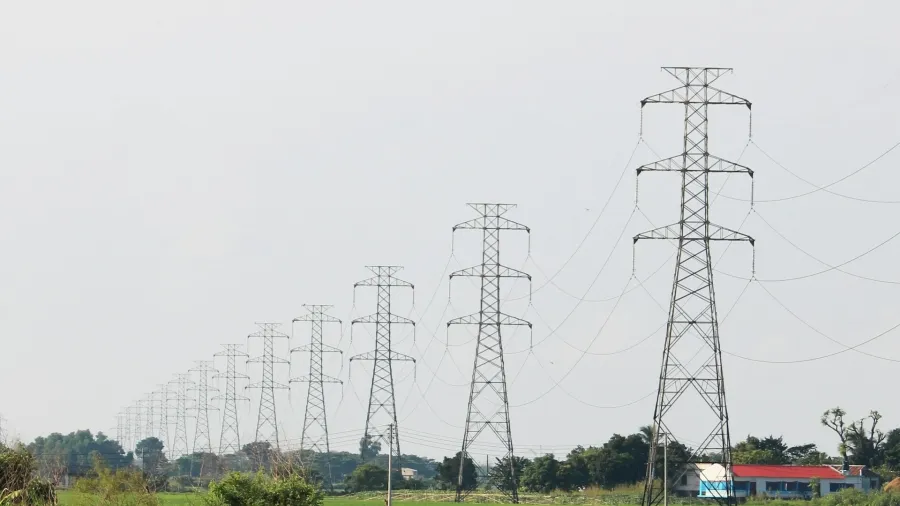
Although transmission infrastructure supports renewable energy integration, reduces congestion and strengthens energy security, regulated tariffs limit investors’ ability to capture these wider benefits.
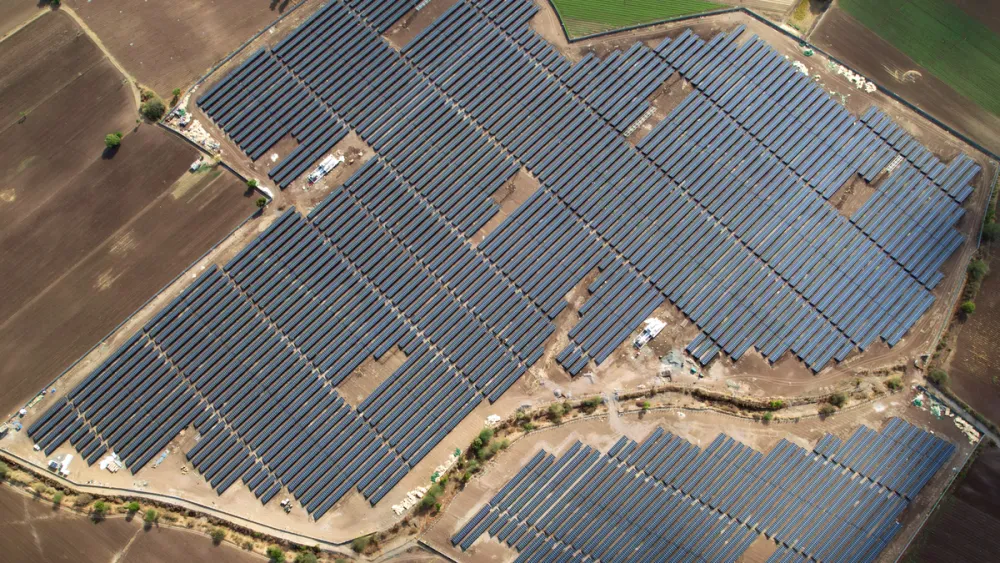
Project size is also a major determinant of solar bankability, with each additional megawatt increasing equity IRR by about 0.5 percentage points on average across the modelled range.
Reducing financing interest rates to 5% from 9% improves IRR by only around 4.4 percentage points, indicating that cheaper finance alone cannot overcome the structural disadvantages of smaller projects, Ember said.
A 20-megawatt-peak solar project could deliver equity returns of 13.2% at a 7% interest rate. Under the report’s assumptions, an electricity tariff of $72 per megawatt-hour would be needed to achieve a 12% return.
Indonesia’s ambition to deploy around 80 GW of distributed solar further highlights the need for financing structures that can support smaller projects, rather than relying on conventional utility-scale project financing.
“Clearer offtaker arrangements, alongside new revenue streams for batteries providing flexibility and grid services, could make projects more attractive to investors,” said Dr Dinita Setyawati, External Affairs and Strategic Impact Lead for Asia at Ember.










 Read Here
 Advertise
 Sign Up