Clean‑energy initiatives in 6 SEA economies outnumber fossil fuel during ME crisis
Renewable measures covered solar EVs and direct green power purchases.
Long-term renewable and electrification policies in six major Southeast Asian (SEA) economies outpaced fossil fuel initiatives at a ratio of four to one during the first six months (6M) of the Iran energy crisis, according to Zero Carbon Analytics (ZCA).
Indonesia, Malaysia, Thailand, Vietnam, the Philippines and Singapore introduced 37 clean energy policies between 28 February and 21 August, compared with 29 fossil-based ones during the period.
This comes as crude oil became more volatile than 95% of all six-month periods since 2007, according to the crude oil volatility index, marking one of the most turbulent episodes for oil markets in nearly two decades.
The six major SEA economies are amongst the region’s fastest-growing markets and have made public commitments to accelerate their shift towards renewable energy and green technology.
The policies span solar infrastructure, electric vehicles and direct renewable power purchases, alongside efforts to accelerate existing projects and unlock more ambitious long-term commitments.
“Since the outbreak of the war, long-term clean energy policies have outweighed fossil fuel initiatives, and they are being translated into real action,” said Amy Kong, Senior Energy Transition Researcher at ZCA.
Policies in movement
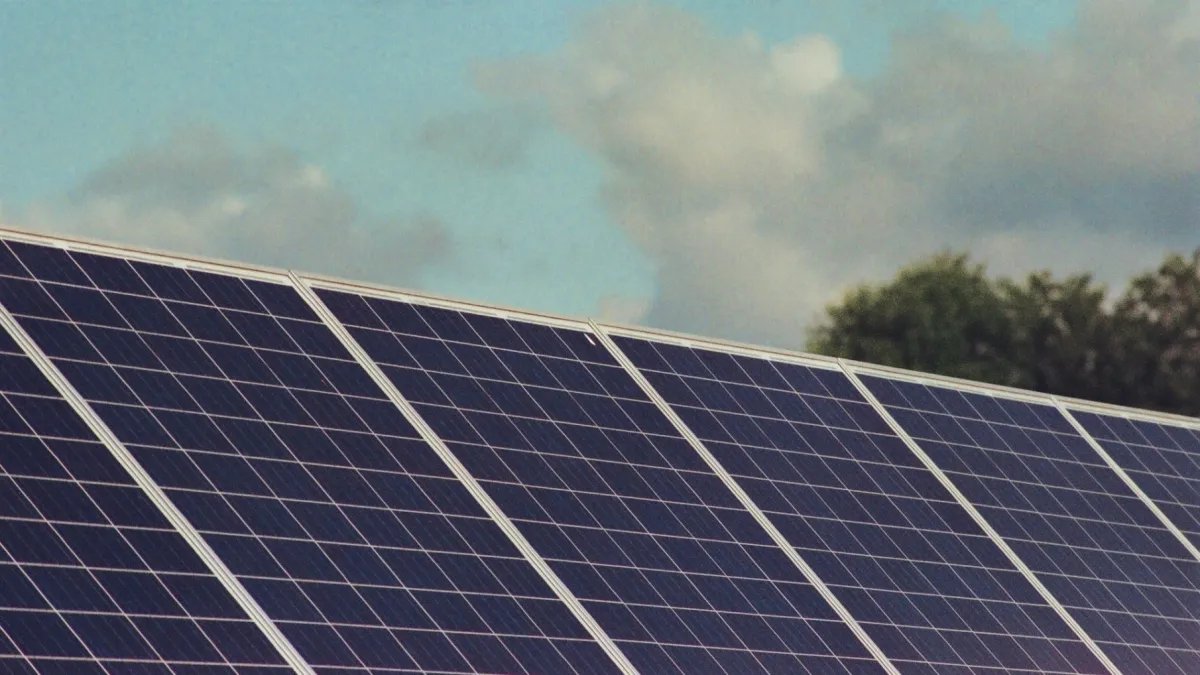
Indonesia announced in March that it would add 100 gigawatts of solar over the next three years, with a first phase of 14 plants across six provinces launched in August.
Thailand introduced a series of solar measures in April, including raising the net-billing rooftop solar quota to 500 megawatts (MW) from 100 MW.
Vietnam has also passed a decree allowing systems to sell more excess solar power back to Vietnam Electricity, with rooftop solar companies reporting a surge in consultations.
“Notably, some Southeast Asian nations, such as Vietnam and Thailand, are opening up direct green power purchasing, particularly for data centres and corporate buyers. This forward-looking move will boost market competitiveness,” Kong said.
The Philippines leads in the total number of clean policies released during the 6M period, with 13, whilst Singapore introduced two—the fewest amongst the major SEA economies.
“Beyond green power purchases, an increasing share of renewable energy is being fast-tracked onto grids, especially in the Philippines,” said Yu Sun Chin, Senior Asia Regional Researcher at ZCA.
Chin added that governments need to provide stronger policy support for grid infrastructure to ensure that clean power can be utilised at all hours.
However, she noted that new short-term fossil fuel policies should not be overlooked as they risk creating structural lock-in.
She added that establishing guardrails would ensure that these temporary measures do not conflict with or derail the long-term shift towards renewables.











 Read Here
 Advertise
 Sign Up