APAC to drive nearly three‑quarters of global power demand growth to 2035
Industrialisation and urbanisation will drive consumption across China, India, and SEA.
Asia-Pacific (APAC) is expected to account for nearly three-quarters of global electricity demand growth through 2035, driven by industrialisation, economic expansion, and urbanisation, according to Wood Mackenzie.
Globally, industrialisation, electrification, and rapid data centre buildout are driving electricity demand, whilst the Middle East conflict has heightened energy-security concerns and could structurally reshape market dynamics.
The firm attributed APAC’s demand growth to ongoing industrialisation, economic expansion and urbanisation in its developing economies, particularly China, India, and Southeast Asia.
In China, total power demand exceeded 10,000 terawatt-hours in 2025, making it the first country to reach this milestone. The country’s power sector accounts for 72% of the region’s total installed capacity.
“Demand growth will continue over the long term, albeit at a comparatively moderate pace for the region as drivers shift from heavy industry towards digitalisation, electrification, and advanced manufacturing,” Wood Mackenzie said.
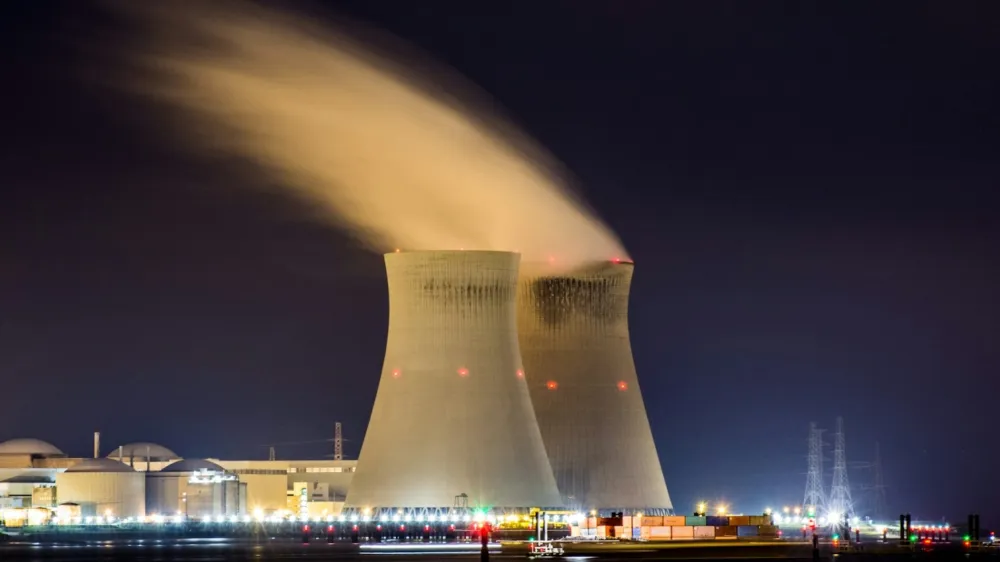
The firm also expects China’s coal-fired generation capacity to peak by 2030 as it shifts from a baseload resource to a flexibility provider, whilst continuing to dominate marginal prices through 2035.
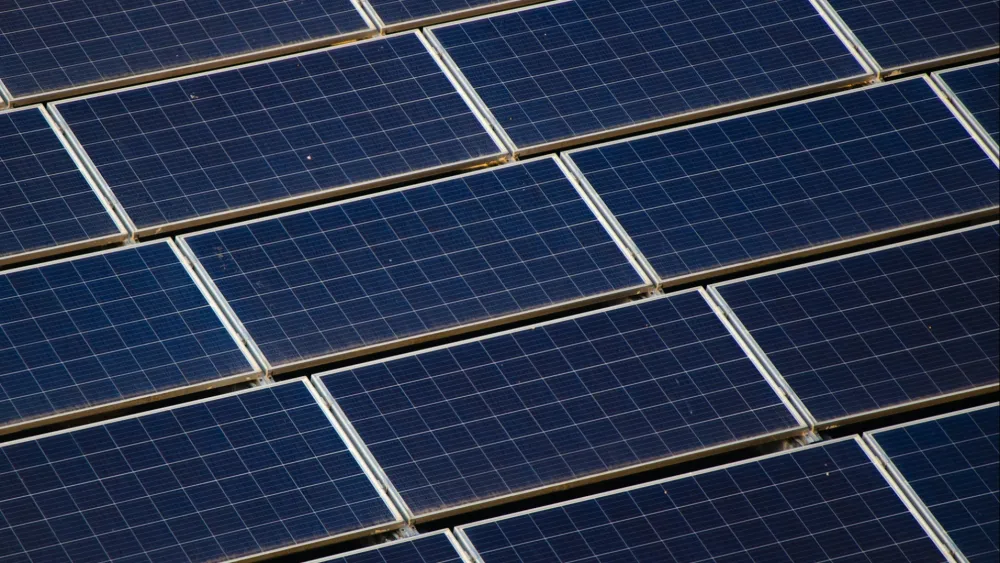
Wind and solar already represent 47% of China’s power capacity and are expected to rise to 84% by 2060, whilst accounting for 73% of generation.
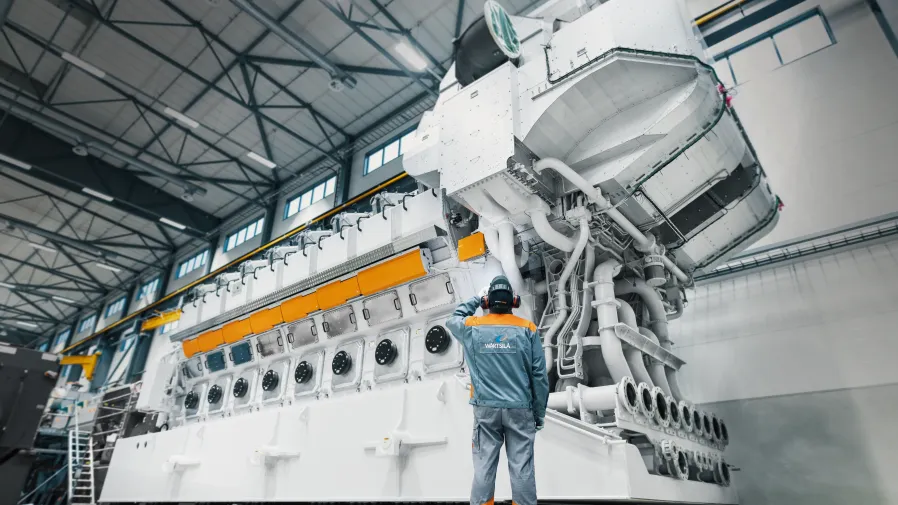
Energy storage is also expected to expand 8.5% annually as renewables penetration deepens and the power system requires greater flexibility.
In Australia, the power system is set to triple its capacity by 2060, with structural demand growth from electrification, industrial decarbonisation, and data centres driving renewable and storage buildout.
“The country’s energy transition is already well-advanced, with solar now the largest capacity source,” the firm noted.
It added that grid connection, transmission, and project delivery constraints mean renewable deployment is expected to lag the target of 82% renewable generation by 2030.
Coal and gas generation will remain important for longer in Australia until batteries, pumped storage, and other flexible capacity can take over their role in providing flexibility and reliability.
Wood Mackenzie expects full coal retirement in 2047, with gas to continue in the mix as a residual balancing resource through 2060.
















 Read Here
 Advertise
 Sign Up