ASEAN energy demand to climb 4.2% a year as pressure builds
Electricity use is outpacing overall consumption as data centres and cooling expand.
The ASEAN region’s energy security is no longer only an energy-sector issue after the 2026 global oil-supply disruption exposed how energy shocks reach growth, prices, and public finances, according to the ASEAN Centre for Energy (ACE).
In its ASEAN Energy Investment 2026 report, ACE said regional energy demand is projected to grow 4.2% a year to about 2.047 billion tonnes of oil equivalent by 2060.
“Electricity demand is growing faster than overall energy demand, driven by cooling, industrial activity, digital infrastructure, transport electrification, and expanding data-centre capacity,” the report said.
Citing the International Monetary Fund, ACE said aggregate growth across Indonesia, Malaysia, the Philippines, Singapore, and Thailand is set to slow to 4.1% in 2026 from 4.5% in 2025.
The Philippines, specifically, is projected to slow to 3.9% from 4.4%.
Fossil-fuel support in the region was about $40b before the disruption and is expected to rise, which narrows fiscal space and can delay infrastructure spending.
The power sector carries direct exposure. Coal and gas supplied about 71% of ASEAN's electricity generation in 2024, whilst renewables supplied about 28%.
About 17% of the region's natural gas supply comes from the Middle East, and ACE expects ASEAN to become a net gas importer within the coming years.
Renewables made up 14.1% of total primary energy supply in 2024, against a 2030 target of 30% under the ASEAN Plan of Action for Energy Cooperation 2026–2030.
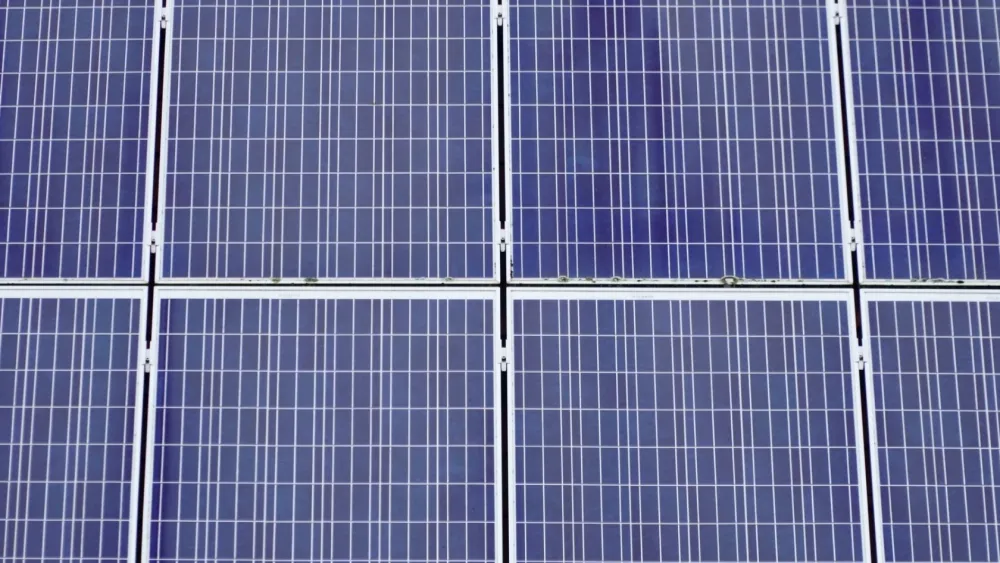
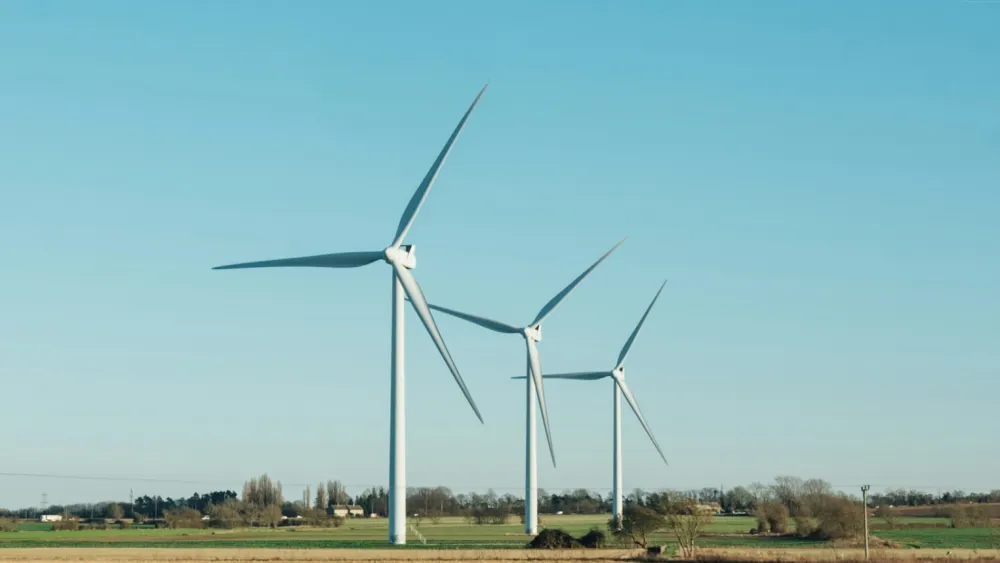
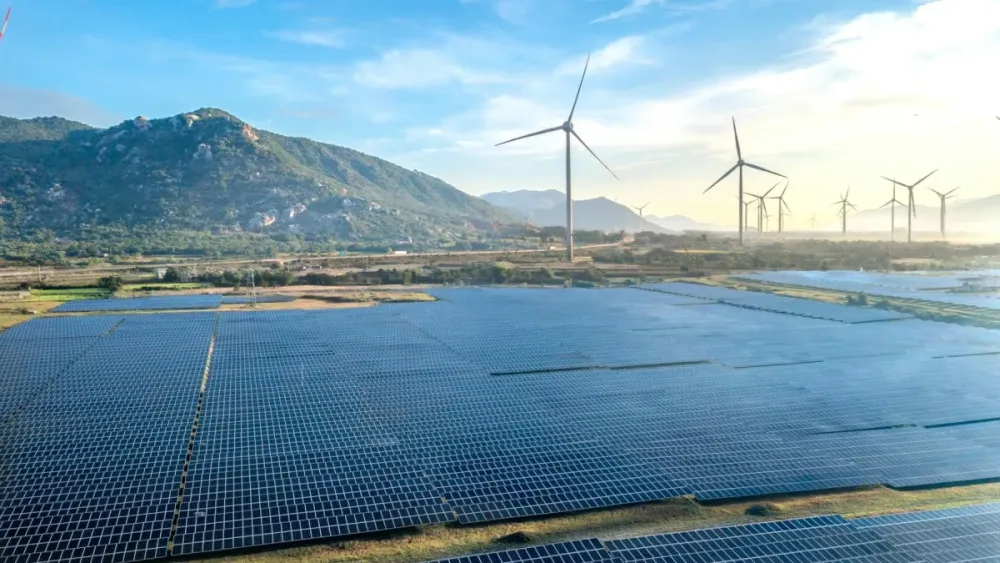
Solar and wind made up only about 4.5% of ASEAN's electricity generation in 2023, whilst the ASEAN Renewable Energy Long-Term Roadmap projects their share at 19%–23% by 2030.
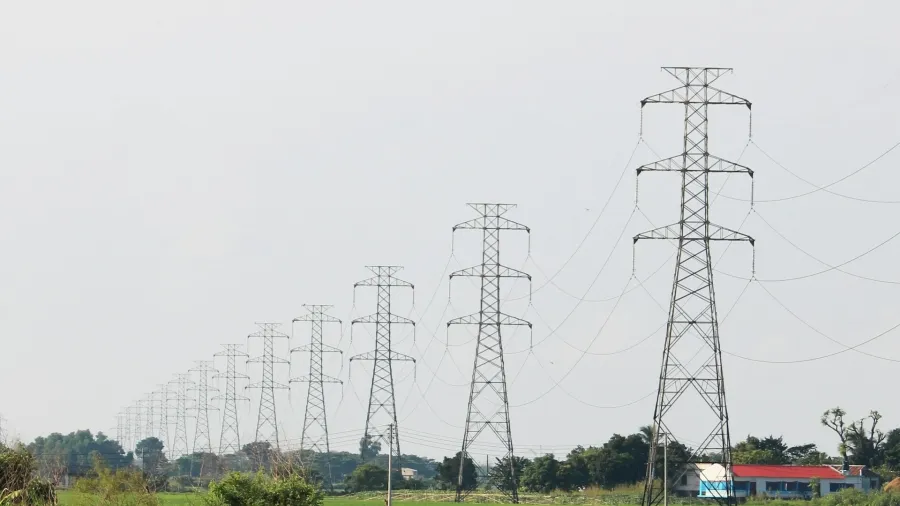
“This implies that ASEAN may need to increase the share of [variable renewable energy] generation roughly four- to fivefold within this decade alone, underscoring the need for accelerated investment not only in solar and wind capacity, but also in grids, storage, system flexibility and regional interconnection,” ACE said.
The cost of capital for clean-energy projects in Southeast Asia was about twice that of advanced economies before the shock.
ACE said the disruption's inflationary effects can push interest rates higher.
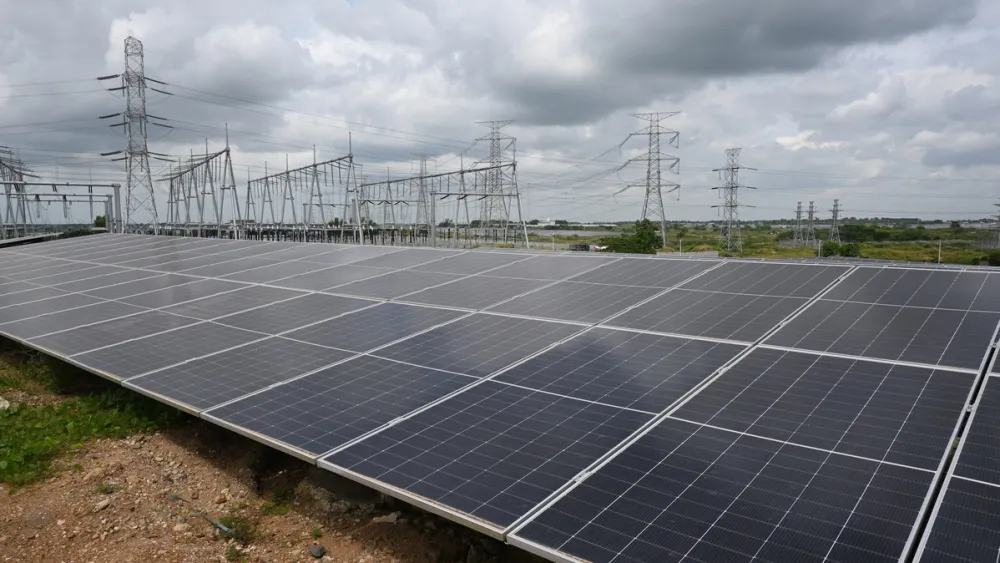
Global lead times for transformers and other grid components have stretched to several years, which delays commissioning and weighs on project returns.
ACE recommended that governments redirect a share of fossil-fuel subsidies towards grids, storage, and energy efficiency, which it said would expand fiscal space without new borrowing.
















 Read Here
 Advertise
 Sign Up