Asia hedges energy security bets amidst Hormuz fallout: McKinsey
The region is looking at nuclear restarts, electric vehicle (EV) growth, and coal plant lifelines.
Asian economies are adjusting their energy mix through nuclear restarts, electric vehicle (EV) growth, and coal plant lifelines, according to the McKinsey Global Institute.
This follows a broader push to strengthen energy security since the Strait of Hormuz crisis began in March.
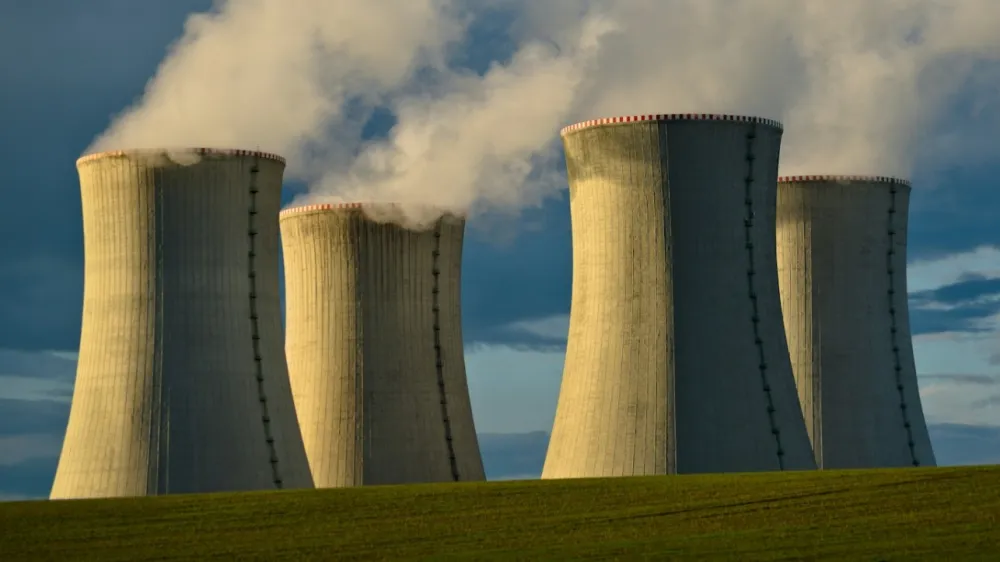
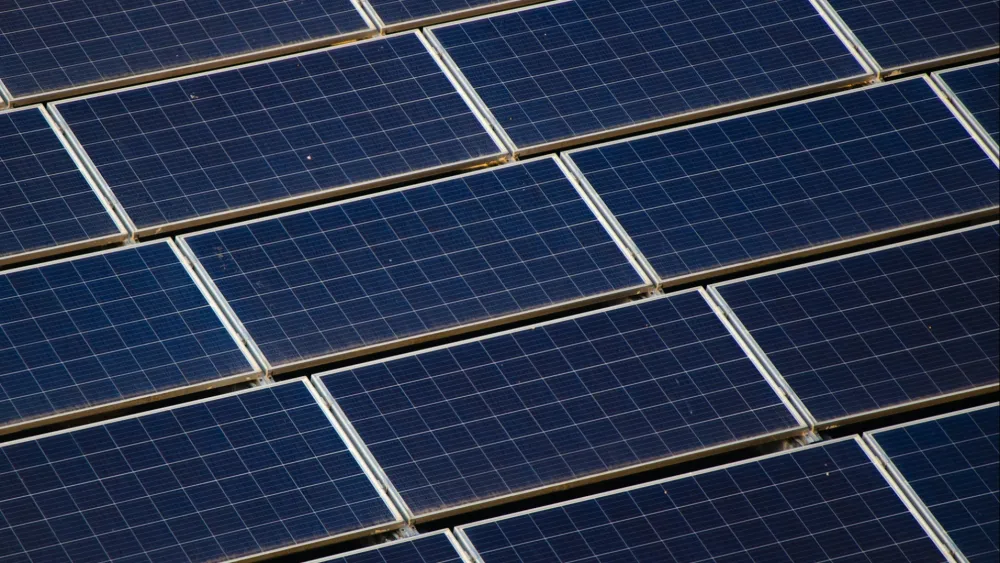
Global renewables capacity growth slowed in the first half (H1) of 2026, driven mainly by China, whilst Japan plans to restart its nuclear reactors.
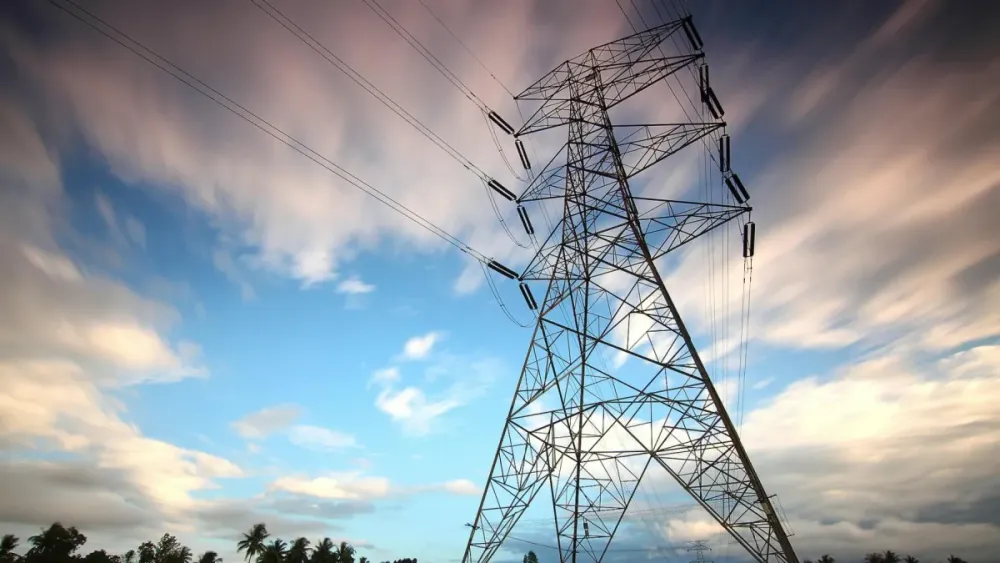
“Investments in grids and storage have also stepped up to support reliability,” McKinsey said.
Meanwhile, global EV sales were flat year on year in H1, largely due to weaker uptake in China but roughly doubled in India, South Korea, and Australia.
China and India have also both announced new coal-to-liquids conversion capacity.
Some Asian countries have also delayed or are reviewing coal plant retirements to retain spare capacity.
Countries increased coal-fired generation slightly in H1, partly to compensate for lost gas imports.
China is also amongst the countries preparing new efficiency standards for products from refrigerators to industrial motors.
The developments form part of a broader set of energy security measures tracked by McKinsey across seven structural levers.
The firm found that measures already underway or under discussion could offset between 35% and 70% of precrisis oil flows through the strait by 2030, in the event of a future shock.
This corresponds to seven million barrels per day (MMb/d) on a precrisis trajectory, rising to as much as 15.5 MMb/d in an accelerated scenario if all discussed projects are realised.
Bypass pipelines account for most of the increase between the two scenarios, McKinsey said.
Coal conversion and alternative oil supply could each contribute around 2.5 MMb/d of capacity by 2030 on a precrisis trajectory, with a combined post-shock acceleration of 2 MMb/d based on announced projects.
Electrification and clean energy were on a precrisis trajectory to displace about 3.5 MMb/d of gross oil demand by 2030.
“Transitioning the current stock of fossil-fuel-burning assets—from cars to boilers—takes time,” the firm said.
The firm cautioned that the projected offset is not a forecast as implementation depends on how many announced projects are realised, and most remain in early stages.














 Read Here
 Advertise
 Sign Up