China's solar lead widens as Southeast Asia stalls at 38GW
The region's battery storage sits at just 4.2GW against China's 144GW.
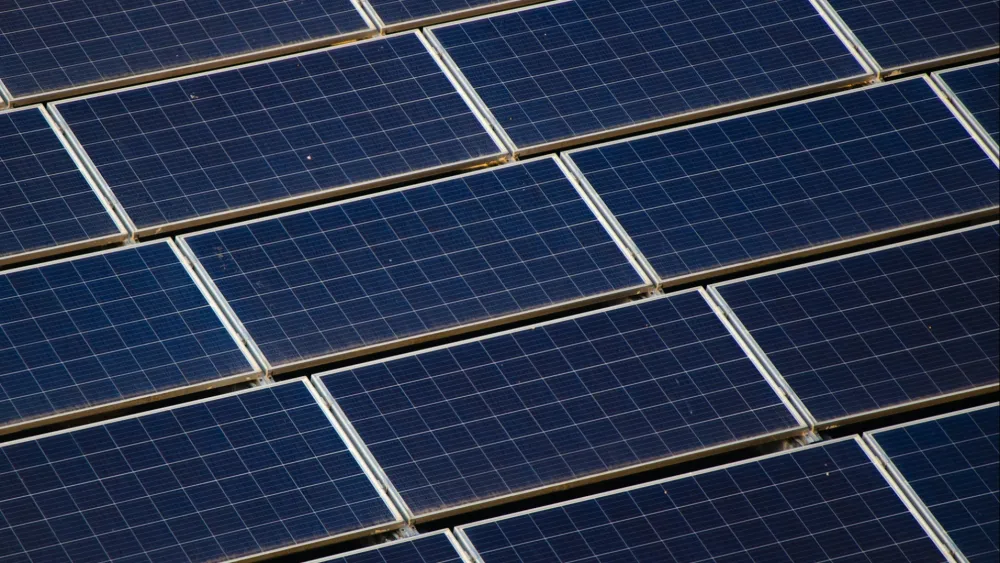
China's installed solar capacity has vastly outpaced the rest of Asia, according to Ember’s “The Age of Power” report published on 16 September.
The report found that the country's solar capacity stood at 1,202 gigawatts (GW) as of 2025, more than four times the combined capacity of South Asia, Southeast Asia, and other developed Asian markets.
South Asia's solar capacity reached 143 GW over the same period, whilst Southeast Asia trailed further behind at 38 GW.
Other developed Asian markets, including Japan, South Korea, Australia, New Zealand, and Singapore, recorded a combined 171 GW.
The disparity extends beyond solar generation into battery storage and electric vehicle adoption, the report noted.
China's battery storage capacity reached 144 GW, compared with 24 GW across other developed Asian markets, 4.2 GW in Southeast Asia, and 0.8 GW in South Asia.
China's electric vehicle fleet also stood at 44 million units, dwarfing the 2.2 million recorded across other developed Asian markets and the 1.1 million in Southeast Asia.
Ember's analysis attributed the disparity in part to differences in manufacturing capacity, noting that China, Taiwan, South Korea, and Japan together account for 76% of global electrotech hardware manufacturing, including solar modules, battery cells, and wind turbine nacelles.
The findings form part of a broader Ember study examining the parallel rise of electrification and digital technology, referred to in the report as "electrotech" and "infotech," across global markets.














 Read Here
 Advertise
 Sign Up