Grid strain threatens APAC's energy transition timeline
China, Japan, India, and Australia are hitting different versions of the same bottleneck.
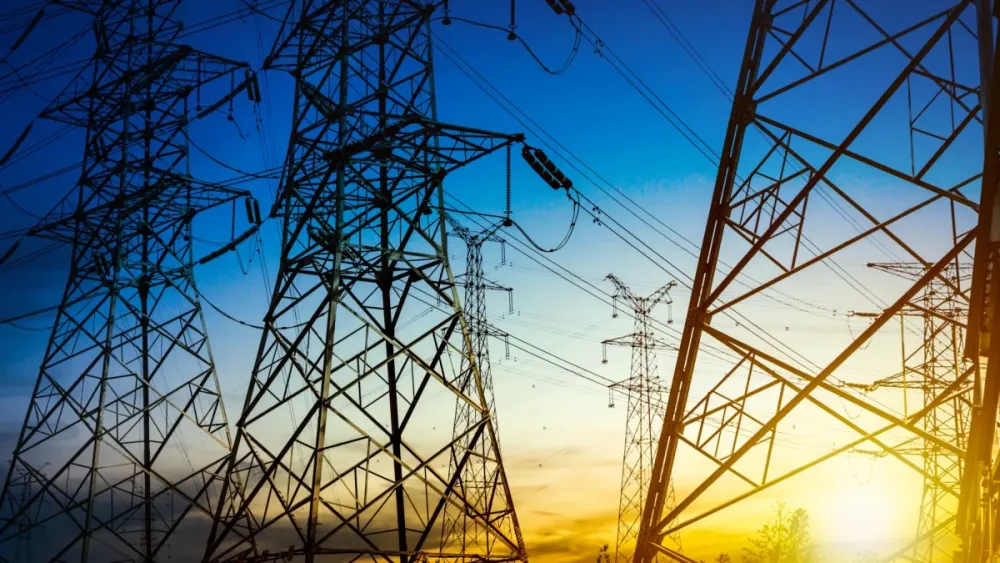
World energy leaders are facing sharper trade-offs as electricity demand accelerates and system constraints multiply, with power markets across Asia-Pacific showing some of the starkest examples of the shift.
The World Energy Council's 2026 World Energy Trilemma report said that China has the “world's most advanced long-distance transmission system,” with its nearly 50 ultra-high-voltage transmission projects that have delivered over 420 gigawatts (GW) of cross-regional capacity.
The infrastructure answers a geographic mismatch between renewable resource zones and demand centres.
It has also held retail power tariffs unchanged for 20 years as a deliberate social-stability measure, even as market-based trading has already lowered industrial and commercial costs.
“Provincial markets are being integrated into a national one—basic unification is targeted for 2030, with completion by 2035, designed to sequence reform without exposing consumers to price shocks,” the report said.
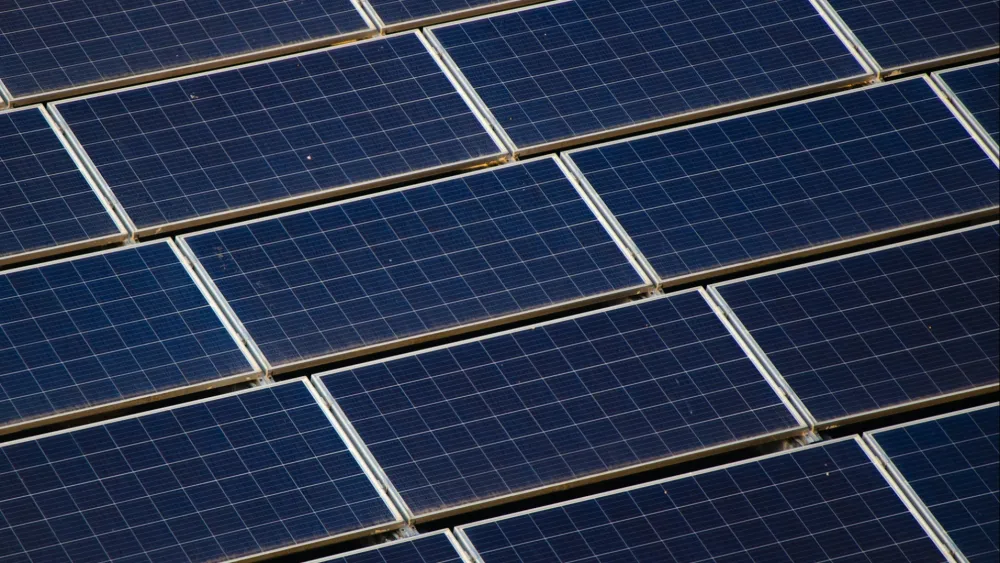
Separately, China has turned energy security into a manufacturing-capacity question, building dominant domestic production across solar, wind, batteries, and grid equipment.
The report also cited India as a case study, where it has moved ahead of its own targets, crossing 50% non-fossil installed capacity in 2025—five years earlier than pledged.
The country has also since raised its 2035 ambition to 60%, backed by a record roughly 45 GW of solar capacity added in a single year.
With that pace of deployment, the report says the country's leadership conversation is shifting from building capacity to integrating it.
Priorities include battery storage (the Central Electricity Authority has set a roughly 82 gigawatt-hours target for 2026-27), time-of-day pricing, demand shifting, and faster transmission buildout in solar-rich states such as Rajasthan and Gujarat.
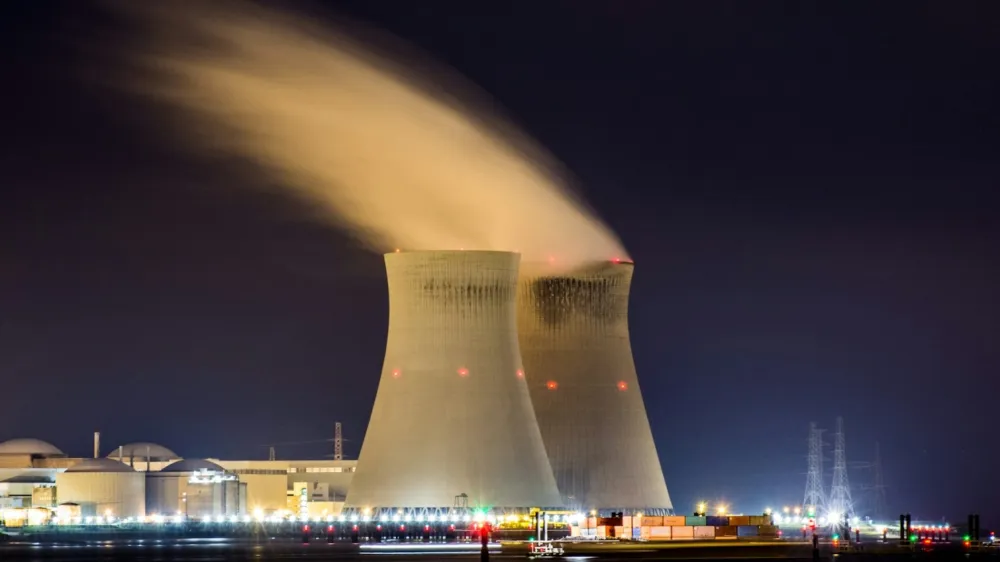
In Japan, nuclear restarts are becoming politically viable a decade after the Fukushima disaster.
The report attributes the shift to strengthened post-Fukushima safety reviews converging with affordability pressure, energy security concerns, and rising demand.
“Legitimacy moved slowly, and only when multiple pressures aligned—not a pace that can be forced,” it said.
Down under, Australia is navigating two compounding tensions as its coal fleet retires. Transmission capacity is the binding constraint on both the renewables and gas-fired “bridge” pathways being weighed to replace it.
Separately, energy policy is split across state and federal jurisdictions, creating what the report describes as “planning incoherence over ageing infrastructure.”
The report frames these as expressions of a broader shift it calls "rebalancing"—the discipline of continuously readjusting energy security, equity, and environmental sustainability commitments as conditions change faster than decision cycles can settle them.












 Read Here
 Advertise
 Sign Up