Pakistan solar jumps to 6.3GW in 3 years as costs shift
Its government estimated the burden at more than $0.5b by the end of 2024.
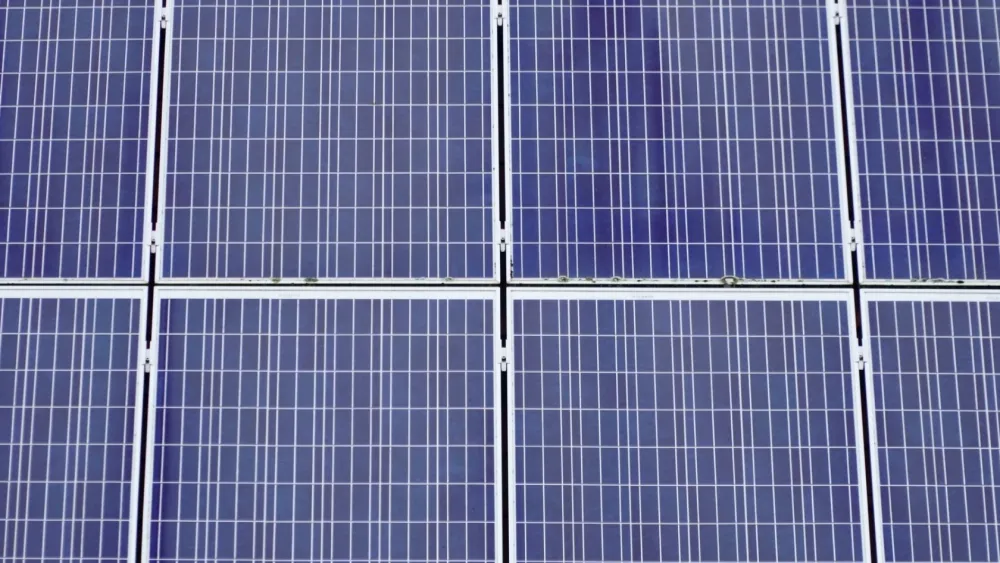
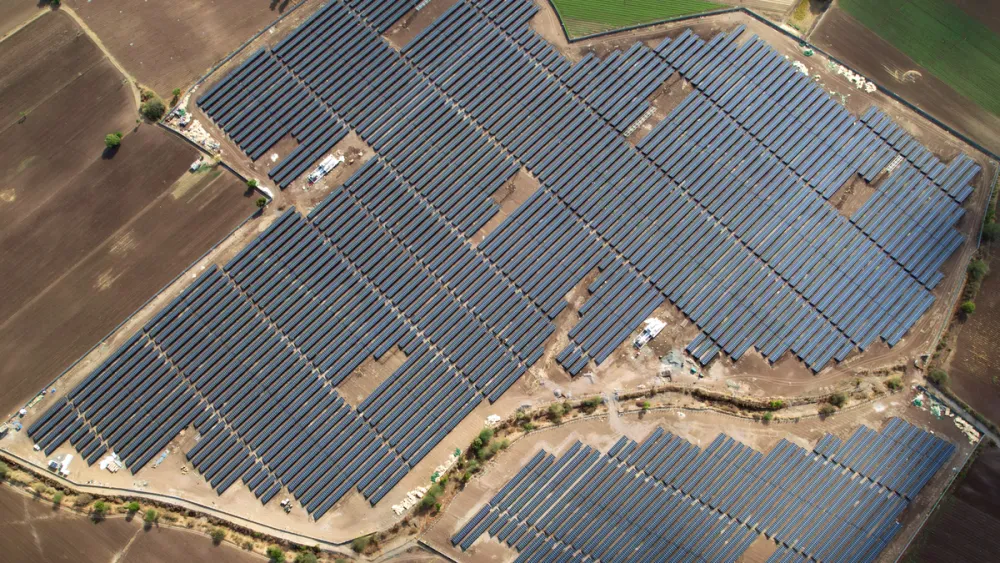
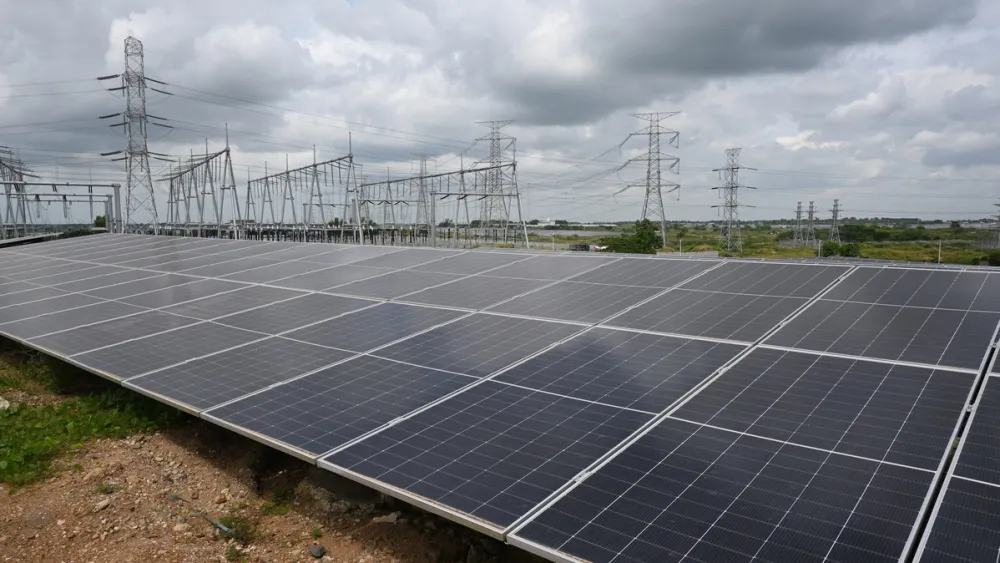
Pakistan's net-metered solar capacity grew to 6.3 gigawatts (GW) by the end of fiscal year 2025 from about 0.6 GW in 2022, according to McKinsey & Company's Global Energy Perspective 2026.
That is a roughly tenfold rise in three years, with about 5 GW added in the final two years, the report said.
“Pakistan is one of the clearest global examples of a market-led, bottom-up energy transition, with widespread adoption of solar PV driven primarily by affordability,” McKinsey said.
The growth happened largely without direct climate policy, concessional finance, or an industrial strategy targeted at solar installations, according to the report.
Grid tariffs nearly tripled against 2019 levels as the government moved through tariff rationalisation and subsidy reductions under its International Monetary Fund programme.
That raised costs for a power supply that remained unreliable for many users, McKinsey said.
Over the same period, a global oversupply of Chinese modules cut solar panel prices by close to 70%, to about $0.08 per watt.
“The combined effect made self-generated solar cheaper, more reliable, and more readily available than the grid across residential, commercial, industrial, and agricultural users,” the firm said.
McKinsey estimates that Pakistan will add 6.7 GW of rooftop solar capacity in 2026, which would take installed capacity to 13.0 GW.
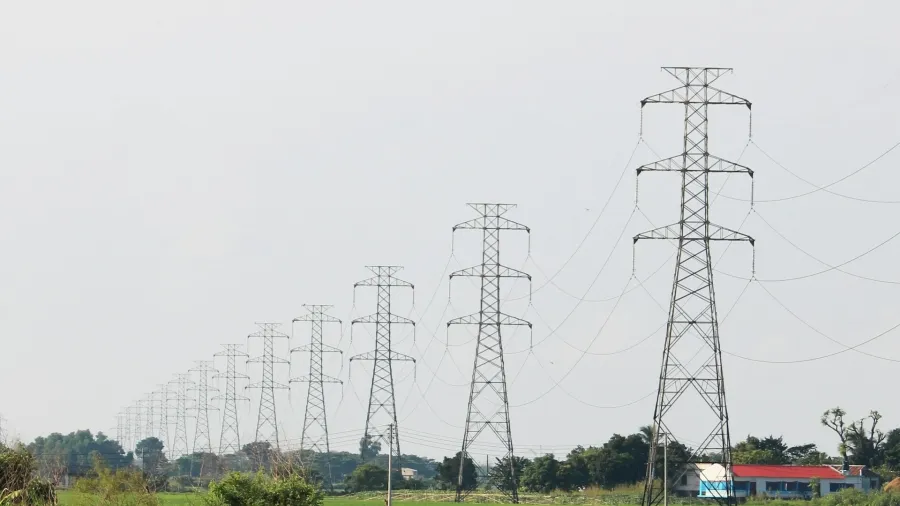
The same economics pose a structural risk to the national grid. As higher-consumption customers self-generate, fixed system costs concentrate on the remaining grid users.
The Pakistani government estimated that net-metered consumers had shifted more than $0.5b onto other consumers by the end of 2024.
McKinsey added that a proposed increase in the general sales tax on solar panels was being considered, citing a June 2026 PV Magazine report.
The report said consumers in some emerging economies may begin to solve the affordability problem themselves when the grid becomes expensive and unreliable and distributed solar becomes cheaper.
It projects global transmission and distribution investment will rise to $970b a year in 2050 from $443b in 2025.
“Across all scenarios, infrastructure readiness is already the most common binding constraint. When it lags behind, electrification stalls, regardless of how cheap renewables become,” the firm said.














 Read Here
 Advertise
 Sign Up