Renewable energy growth outpaces grids: IRENA
Storage and system flexibility must scale up to prevent transition bottlenecks.
Record renewable energy additions are insufficient to deliver the global energy transition as grid development and energy efficiency lag behind rising power demand, the International Renewable Energy Agency (IRENA) said.
Its 2026 World Energy Transition Outlook (WETO) calls for faster electrification powered by renewables, alongside improvements in energy efficiency, grid infrastructure, storage, and system flexibility, to align the energy transition with a 1.5°C-compatible pathway.
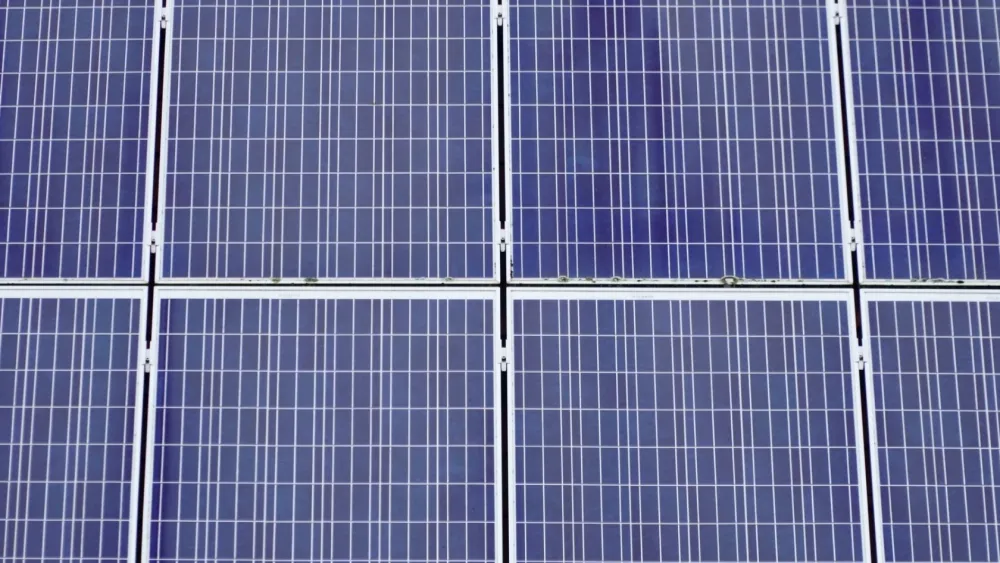
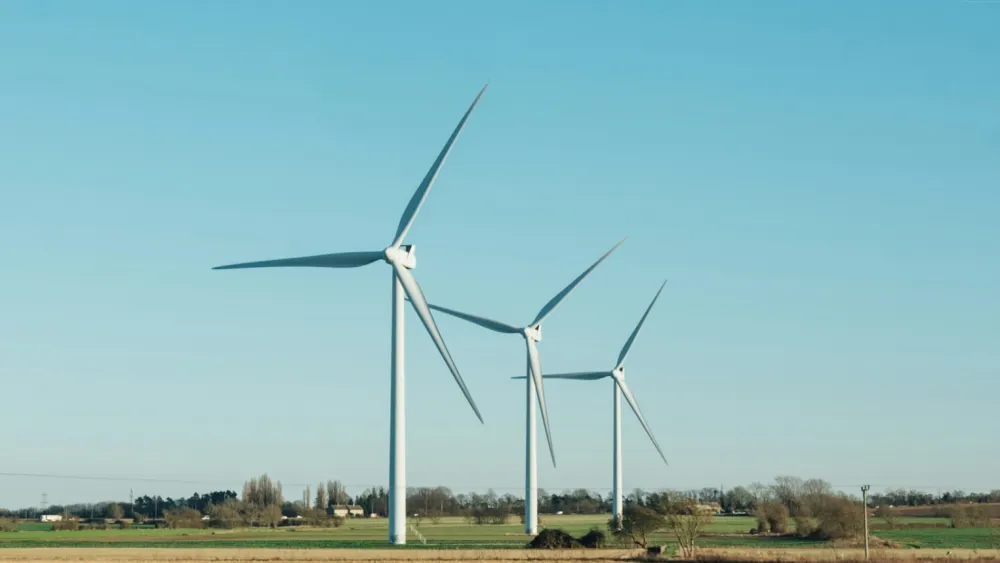
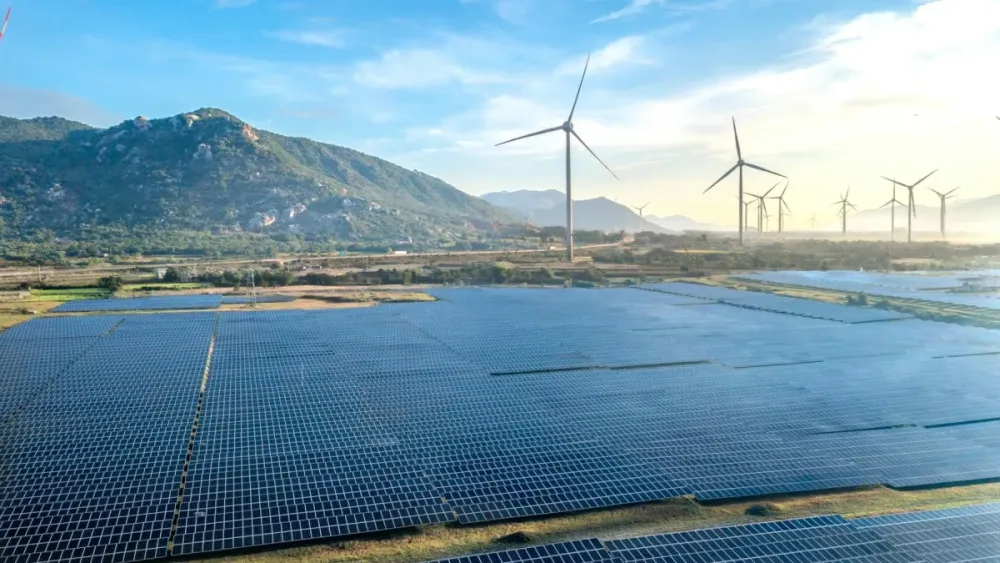
Global installed renewable power capacity needs to increase from 5.2 terawatts (TW) currently to around 38.2 TW by 2050.
Meanwhile, electricity's share of final energy consumption must rise to 35% by 2035 and more than 50% by 2050.
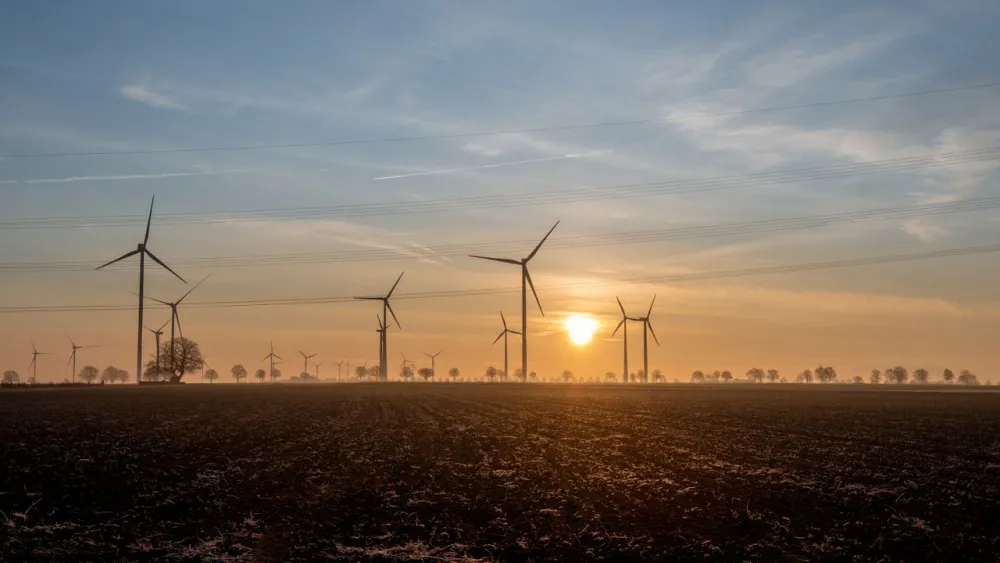
Solar and wind would supply more than 80% of global electricity by mid-century under the report's outlook.
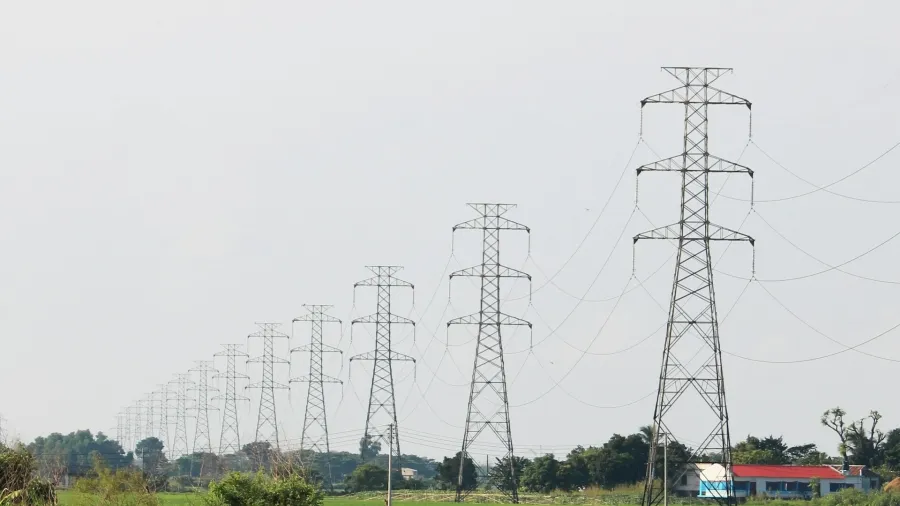
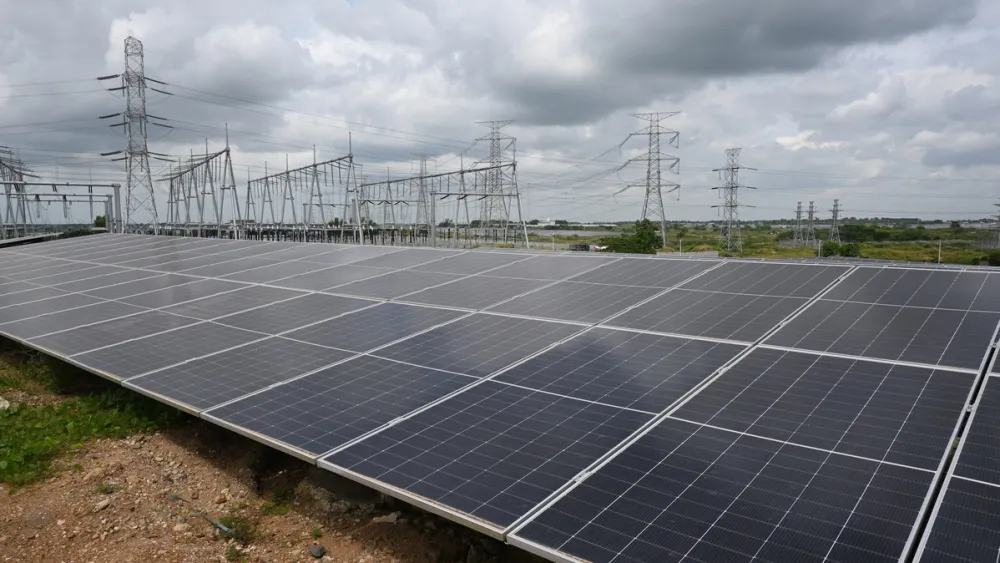
However, grid enhancements have failed to keep pace with renewable deployment, whilst energy efficiency improvements remain below the required rate and have not offset rising power demand.
“The global energy transition is under stress,” said Francesco La Camera, director-general of IRENA. “Electrification, grids, storage, flexibility, and energy efficiency are not merely supporting elements at the margins of this transformation; they are its backbone.”
WETO 2026 also highlights the potential economic benefits of accelerating the transition. Under IRENA's 1.5°C scenario, the global economy would grow 1.1% annually above the business-as-usual trajectory, generating cumulative economic gains of around $46t by 2050.
Renewable energy employment could increase more than fivefold from just over 16 million jobs today by 2050, whilst improved electricity competitiveness could reduce end-user power prices by 15% over the same period.
Achieving the transition would require around $10.3t in cumulative investment between 2026 and 2050, mainly in renewable power, grids, system flexibility and end-use electrification.
IRENA identified seven priorities for the coming decade, including integrated energy and market planning, country-specific transition roadmaps, grid modernisation, stronger industrial and investment strategies, social and environmental policies, and deeper international cooperation.
IRENA said governments must steer the transition to ensure that moving away from fossil fuels supports economic development, competitiveness, resilience, public health, and long-term prosperity.













 Read Here
 Advertise
 Sign Up