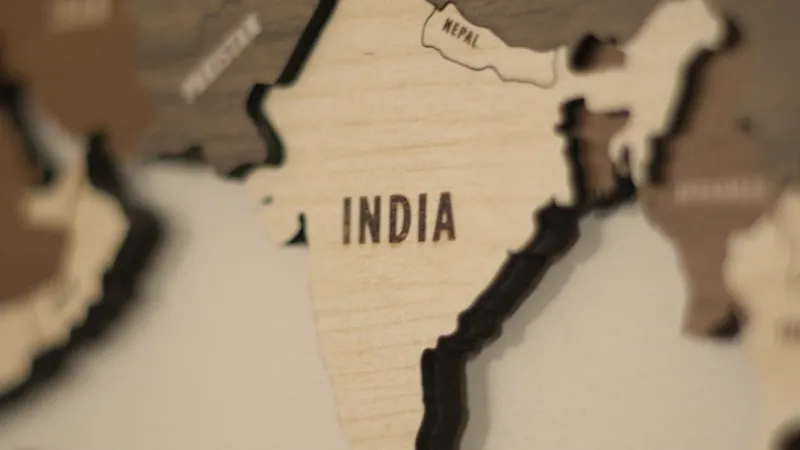
Indian Subcontinent emissions to rise amidst 60% non-fossil capacity
India hit the 50% mark five years ahead of its 2030 target.
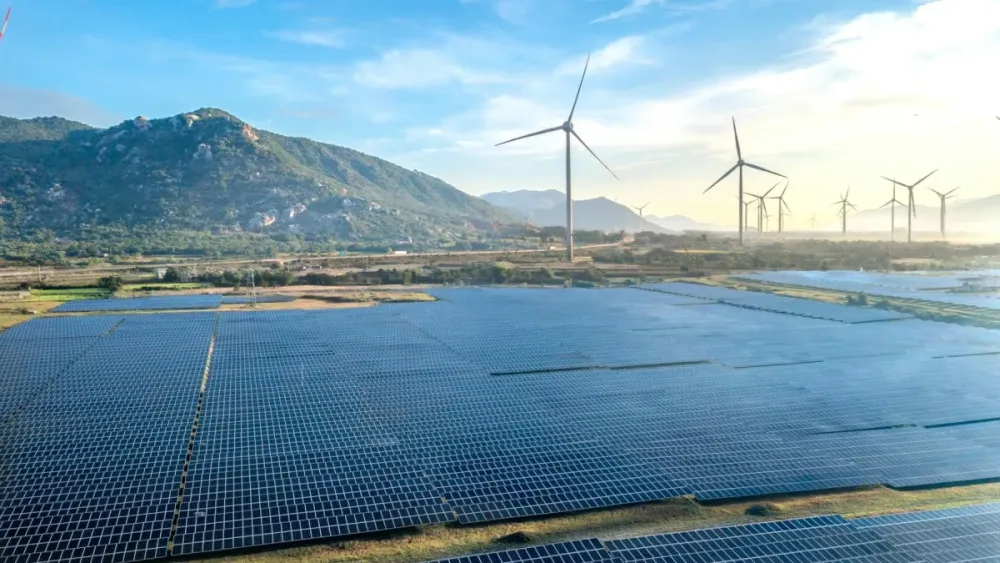
The Indian Subcontinent is set to exceed 60% non-fossil power capacity by 2030, whilst emissions climb to 4.2 gigatonnes (Gt) of carbon dioxide a year, according to DNV’s Energy Transition Outlook 2026.
India reached 50% non-fossil power capacity in 2025, five years ahead of its 2030 target, the report said.
“India, Pakistan, and Bangladesh account for 90% of this region’s population, GDP, and energy demand,” the report said.
India is targeting 500 gigawatts (GW) of non-fossil power capacity by 2030 and 100 GW of nuclear capacity by 2047.
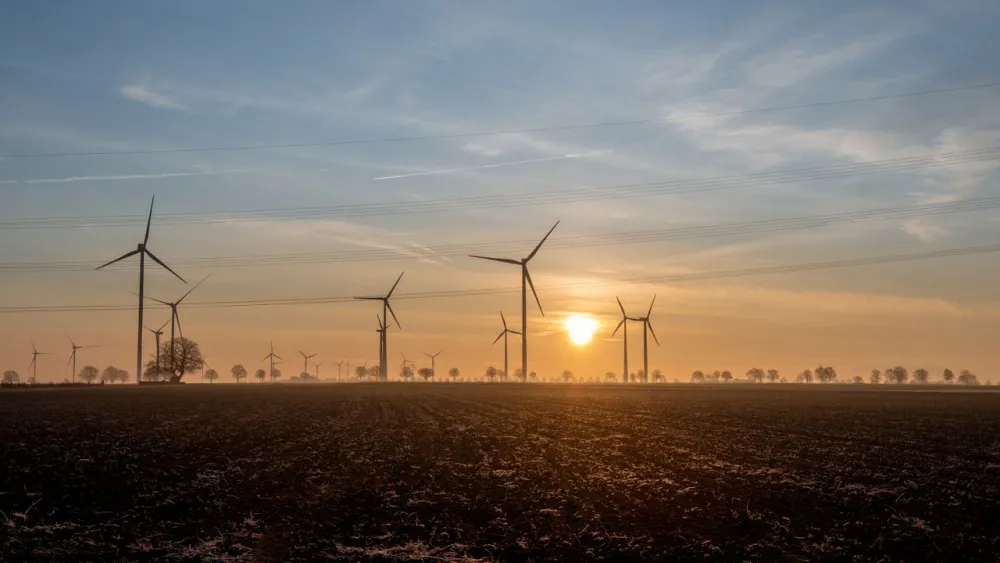
Regional emissions are projected to rise to 4.2 Gt in 2030 rose from 3.6 Gt in 2025, before falling to 2.6 Gt in 2060 due to the expansion of solar and wind.
Power generation in the region grows from 2,400 terawatt-hours (TWh) in 2025 to 4,800 TWh in 2040 and 10,300 TWh in 2060. Meanwhile, final energy demand will likely rise to 70 exajoules (EJ) in 2060 from 41 exajoules in 2025.
Rising temperatures and GDP per capita will more than double electricity consumption for space cooling, from 7.4 EJ a year in 2025 to 25 EJ a year by 2060.
The urban heat island effect, which can make cities 5°C to 10°C warmer, will exacerbate cooling electricity demand for “a rapidly urbanizing population,” the report said.
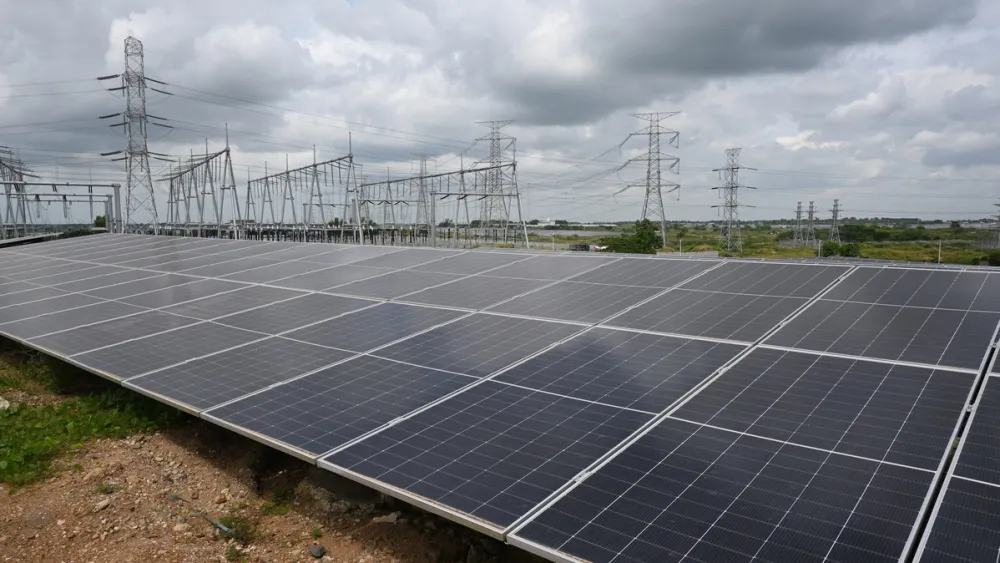
“India’s rapid growth in non-fossil generation and electricity demand requires parallel investment in transmission, storage, and flexibility,” DNV said.
The report cited India’s Green Energy Corridor and the Energy Connectivity in South Asia project, which aims to support greater cross-border energy integration across the region.
DNV’s full regional outlook for the Indian Subcontinent is due in February 2027.















 Read Here
 Advertise
 Sign Up