East Asia may miss 2030 target with 82-GW offshore wind still in development
The three markets each aim for roughly 10GW of operating capacity by 2030.
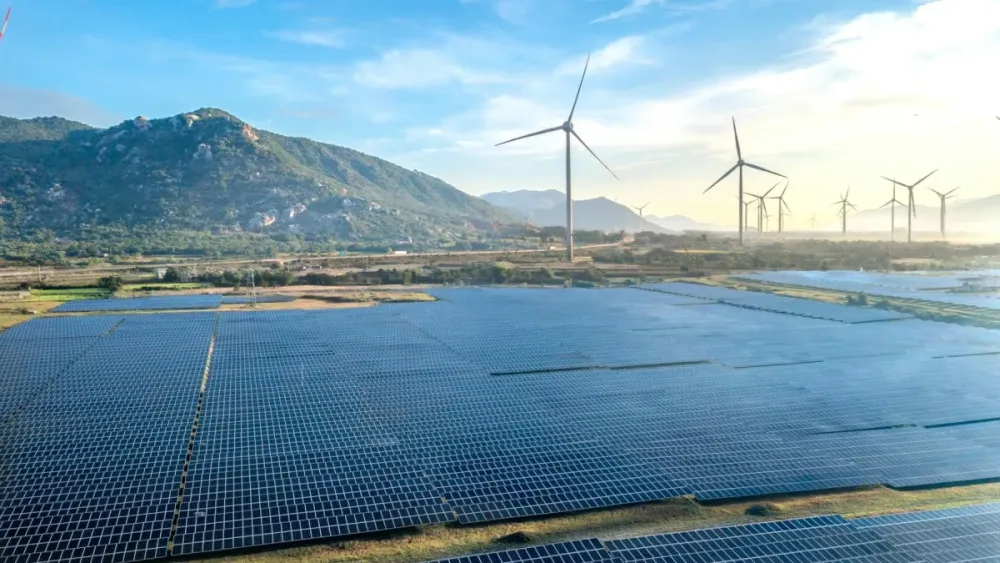
East Asian countries Japan, South Korea, and Taiwan have 82 gigawatts (GW) of offshore wind projects in development, but projects are not breaking ground fast enough to meet their 2030 targets, according to Global Energy Monitor (GEM).
The pipeline has an estimated cost of $381b, with the three countries each targeting roughly 10 GW of operational capacity by 2030.
Japan has about 27 GW of offshore wind in its development pipeline, whilst South Korea has 44 GW and Taiwan has 11 GW.
Offshore wind accounts for over 84% of all prospective renewable energy capacity in the region, compared to 21% in the rest of the world.
The three countries are betting on offshore wind to reshape their energy strategies and align energy security with renewable energy targets, as disruptions in the Strait of Hormuz expose the risks of relying heavily on imported fuels, GEM said.
“There is a clear appetite for offshore wind in East Asia,” said Sophie Lu, Senior Researcher at GEM and co-author of the brief. “The types of creative policymaking and support for project developers can mobilise the offshore wind market as a means to increase energy independence in the region.”
Despite efforts to expand offshore wind, the three markets continue to face barriers to the sector’s growth.
Japan is actively assessing offshore wind promotional zone designations, whilst South Korea is pursuing a shared grid connection model to reduce offshore wind integration and operating costs.
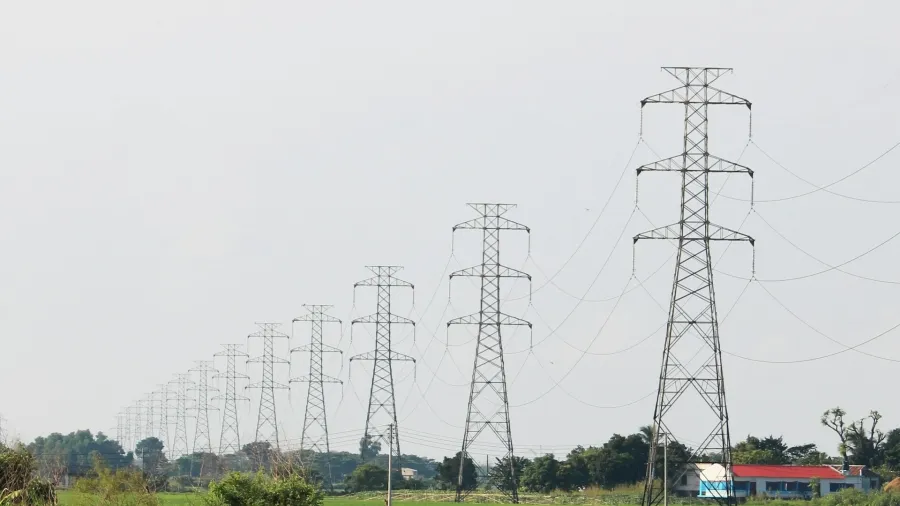
The model could lower power generation and upfront investment costs by allowing projects to share transmission lines and substations.
Taiwan’s removal of zero-price bids and easing of localisation requirements in its newly released auction rules address previous deal-breakers in bankability.
It is also formalising a rezoning initiative to expand offshore wind development areas.










 Read Here
 Advertise
 Sign Up