Grid projects face 2,500-GW connection backlog: IRENA
Annual infrastructure spending must rise to around $1t through 2035.
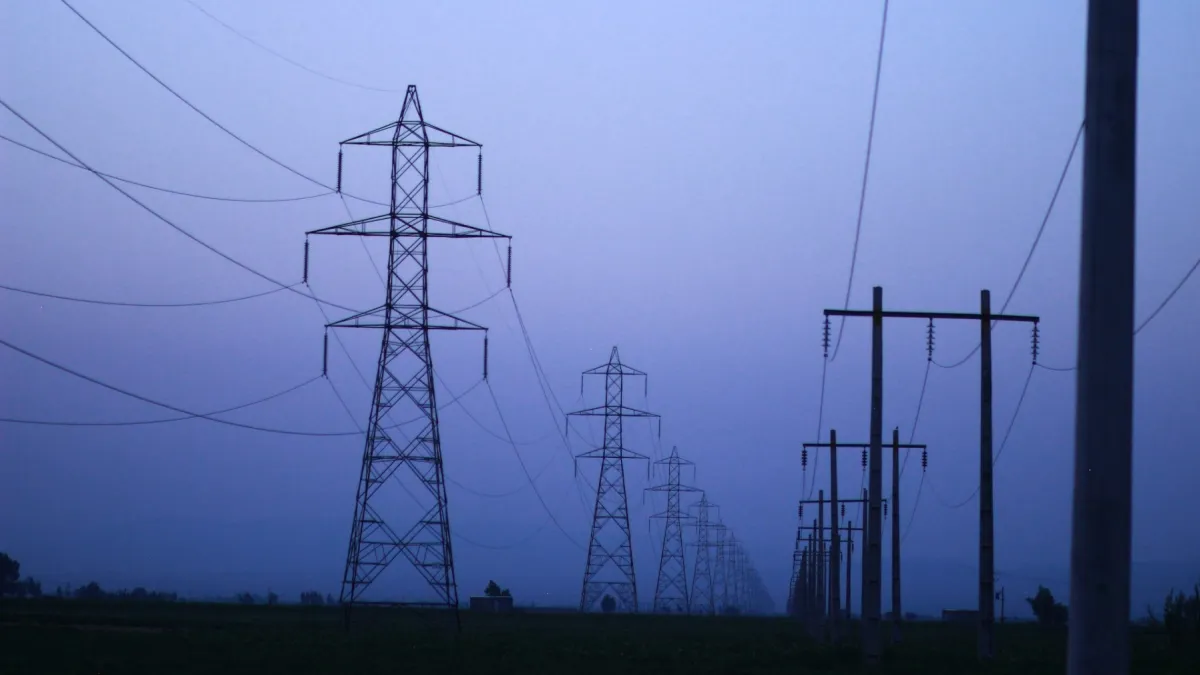
Around 2,500 gigawatts of projects are awaiting grid connection worldwide as electricity takes a larger share of global final energy use, according to the International Renewable Energy Agency (IRENA).
Annual investment in grids, flexibility, and infrastructure must more than double to around $1t through 2035 from $0.5t in 2025.
The investment is needed as electricity's share of global final energy use is projected to rise from 23% today to 35% by 2035 under IRENA's revised 1.5°C Scenario.
“To ensure reliable, secure, and affordable electricity systems capable of supporting growing demand, countries must simultaneously invest in grids, storage, and system flexibility,” the agency said.
Renewables will also need to account for around 78% of global electricity generation by 2035 to meet most of the additional demand created by electrification.
Renewables accounted for 31.7% of global generation in 2024, or 9,836 terawatt-hours.
IRENA said electrification, alongside energy efficiency, could deliver about one-third of cumulative carbon dioxide emission reductions between 2026 and 2050.
Buildings are projected to have the highest electrification share amongst end-use sectors, reaching 55% of energy use by 2035 and more than 75% by 2050.
Heat pumps, electric cooking, and cooling are expected to drive the increase.
Industry's electrification share is projected to reach around 35% by 2035 and more than 40% by 2050, supported by the electrification of low- and medium-temperature heat and the use of green hydrogen in hard-to-abate sub-sectors.
Transport starts from a 1% electrification share but is projected to grow to 15% by 2035 and more than 45% by 2050, driven by electric light vehicles and buses.
The incoming COP31 Presidency of Türkiye has announced a global target for electrification to reach 35% of final energy demand by 2035 as part of its Action Agenda.
“Countries start from different points based on their energy demand, electricity access, infrastructure, and investment capacity, and will need to determine nationally appropriate pathways to meet the electrification target,” IRENA said.
















 Read Here
 Advertise
 Sign Up