India’s Odisha needs major investment in power transition, IEEFA says
It needs about INR1.1 lakh crore to expand RE, storage and transmission.
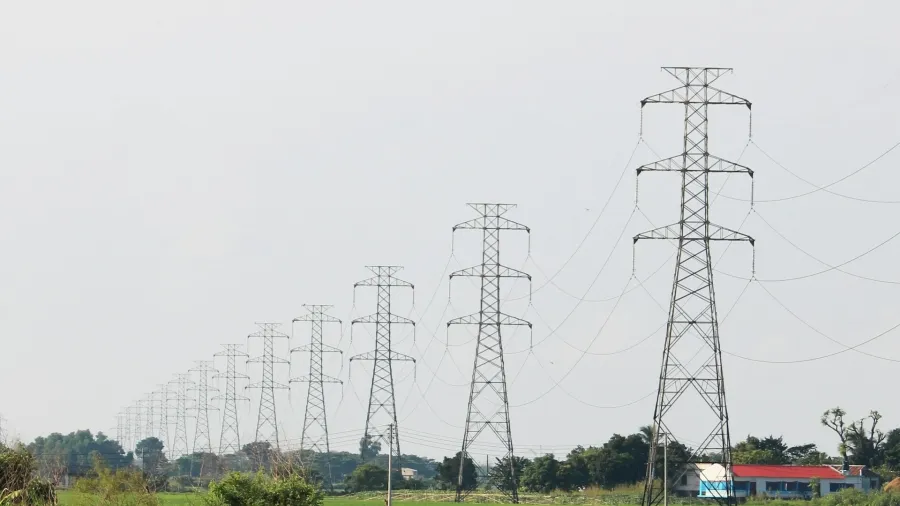
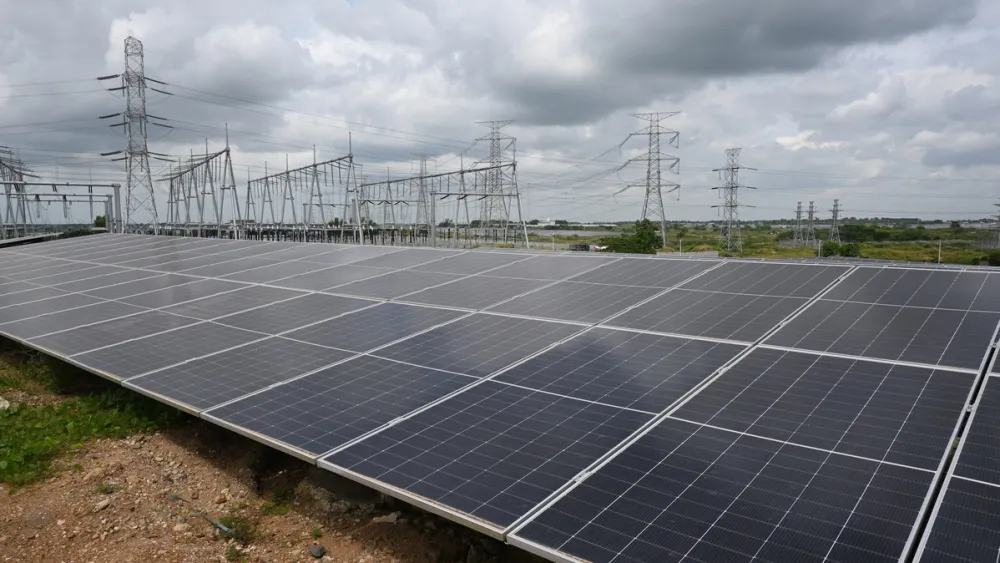
The Indian state of Odisha will need about INR1.1 lakh crore to expand renewable energy, energy storage, and transmission infrastructure by financial year (FY) 2035–2036, according to the Institute for Energy Economics and Financial Analysis (IEEFA).
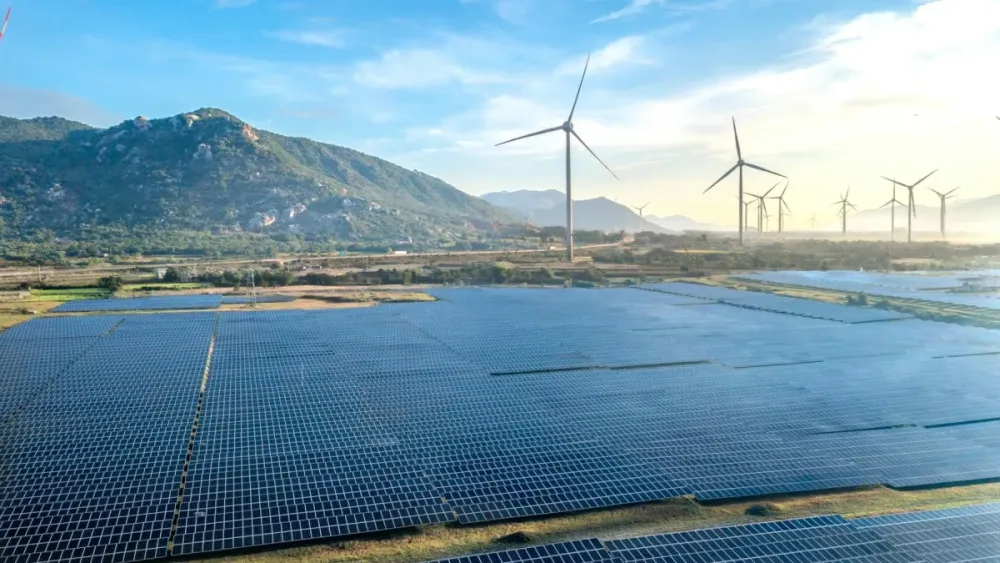
The state is expected to add 10.7 gigawatts (GW) of renewable energy capacity, 2.7 GW of pumped storage and 0.13 GW of battery storage over the period, alongside intra-state transmission upgrades, based on the Central Electricity Authority’s Resource Adequacy Report.
Renewable energy will account for 67% of the estimated investment requirement, whilst storage will represent 21% and grid infrastructure 12%.
Annual investment needs are projected to peak at approximately INR20,827 crore in FY2029–2030.
Renewables account for 11.3% against a renewable purchase obligation target of 33.01% for FY2026. The target will rise to 43.33% by FY2030, IEEFA said.
Odisha has an estimated 139.5 GW of solar potential, but only about 0.82 GW has been installed.
It also has 12.13 GW of wind potential, with no grid-connected wind capacity, and 2.2 GW of hydropower capacity against an estimated potential of 7.6 GW.
“With appropriate investment in generation, storage, and grid infrastructure, Odisha could also play a larger role in supplying renewable electricity to other states,” IEEFA said.
It recommends a three-pronged financing strategy to support the expansion: assessing transition costs across sectors, developing a sustainable finance framework, and establishing a dedicated transition fund.
The proposed fund would pool government, multilateral, climate, and private finance to reduce project risks and support transition priorities, including worker reskilling, mine closure, land restoration, and economic diversification in coal-dependent districts.
The report also highlights Odisha’s exposure to fossil fuels. In FY2024–2025, the state received an estimated INR14,148 crore from coal and petroleum resources, equivalent to 13.1% of its own tax and non-tax revenue.
Fossil-fuel-linked sectors account for about a third of the state’s gross value added, the report said.















 Read Here
 Advertise
 Sign Up