Grid constraints choke Australia's renewables: survey
About 85% cuted this as a growing concern.
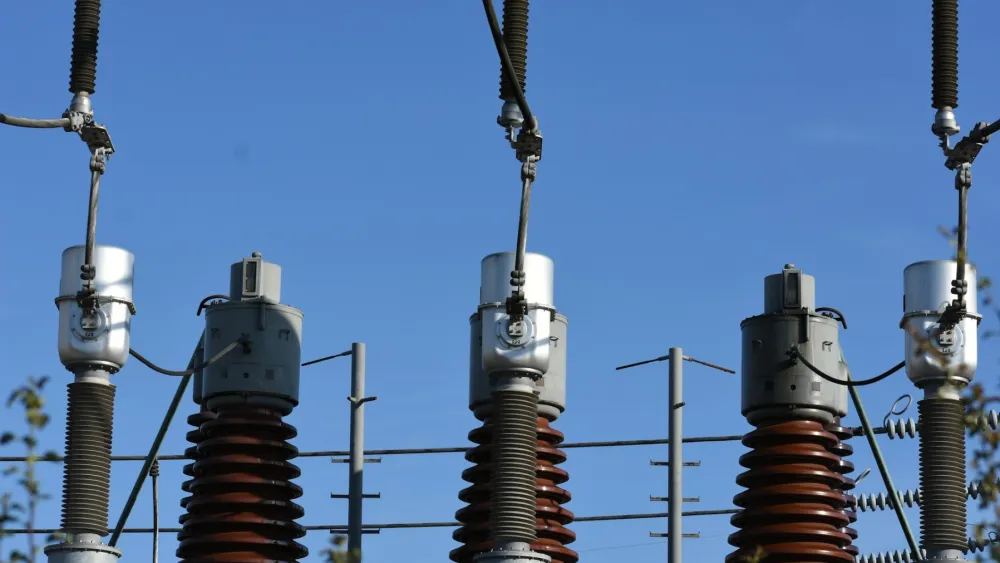
Grid constraints, curtailment, and congestion have emerged as the most significant and fastest-growing operational risk for Australia's renewable energy sector, according to the Clean Energy Council and Lockton.
The inaugural Renewable Energy Risk and Insurance Index found that 85% of respondents identified grid constraints as a growing concern, 23 percentage points (pps) higher than any other risk category.
Another 69% of respondents said grid constraints, curtailment, and congestion are poorly addressed by current contractual, regulatory, and insurance frameworks.
Grid connection and registration was also rated as difficult or very difficult by 68% of respondents, with 56% saying the process has become harder over the past three years.
Developers were the most likely to rate grid connection as difficult at 75%, compared with 50% of engineering, procurement, and construction contractors, original equipment manufacturers, and operations and maintenance respondents.
Planning and environmental approvals ranked as the single hardest stage of project development.
Four in five respondents rated state-based development and environmental approvals as difficult or very difficult, the highest difficulty rating of the eight project stages surveyed.
About 71% said state-based approvals have become harder to obtain over the past three years.
At the federal level, 66% of respondents rated Commonwealth environmental approvals as difficult or very difficult.
Community engagement has also become a bigger barrier to project delivery, with 73% of respondents saying community opposition or social licence risk has changed the way they engage with communities.
More than half rated community engagement and support as difficult, and 66% said it has become harder over the past three years.
On the investment side, market volatility, policy settings, and revenue certainty dominated developer concerns, with 69% citing market risks such as volatility and revenue loss as a leading non-damage concern.














 Read Here
 Advertise
 Sign Up