ASEAN power grid delays cost region US$2.6b annually
Underused cross-border connections and unclear trading rules threaten investment and regional electricity savings.
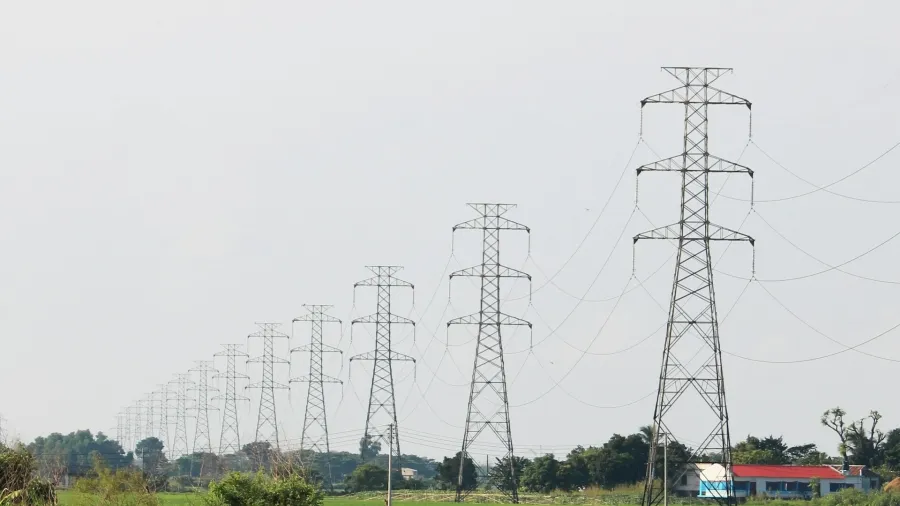
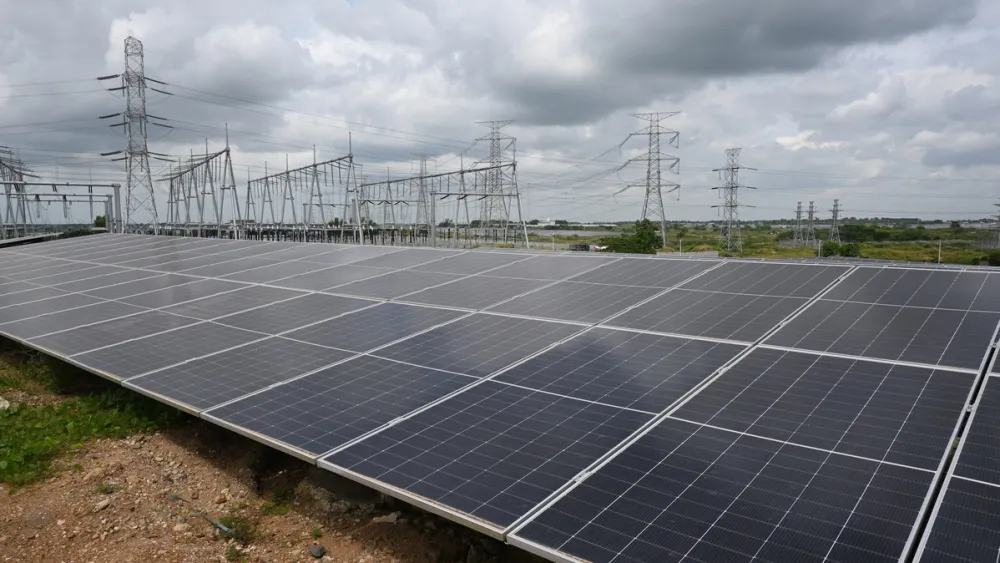
Delays in developing the ASEAN power grid could cost Southeast Asia US$2.6b annually in lost economic benefits, as regulatory uncertainty and underused cross-border electricity connections constrain regional power trading.
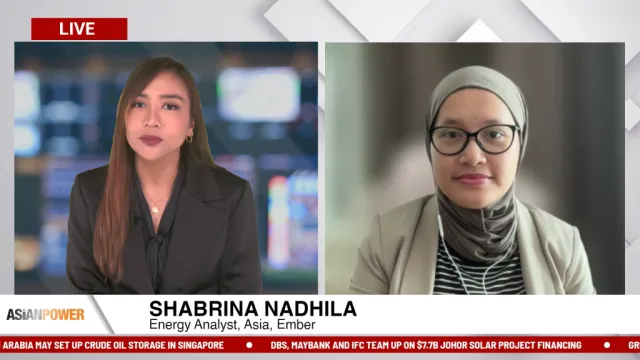
Shabrina Nadhila, Energy Analyst, Asia at Ember, said existing infrastructure has yet to deliver its full economic potential, limiting opportunities for electricity exporters and importers.
“Between 2016 and 2022, cross-border grid electricity trade accounted for only around 0.5 percent of the region's electricity demand, suggesting considerable room for growth,” Nadhila said.
She warned that inadequate trading arrangements and regulatory uncertainty could discourage investment in new transmission infrastructure and renewable energy projects.
“To unlock these benefits, greater certainty around long-term trading arrangements and clearer regulatory frameworks will be important to attract investment and improve the utilisation of existing and future interconnections,” she said.
Multilateral electricity trading could redirect investment towards countries with abundant renewable resources, whilst allowing neighbouring markets to access cheaper clean electricity.
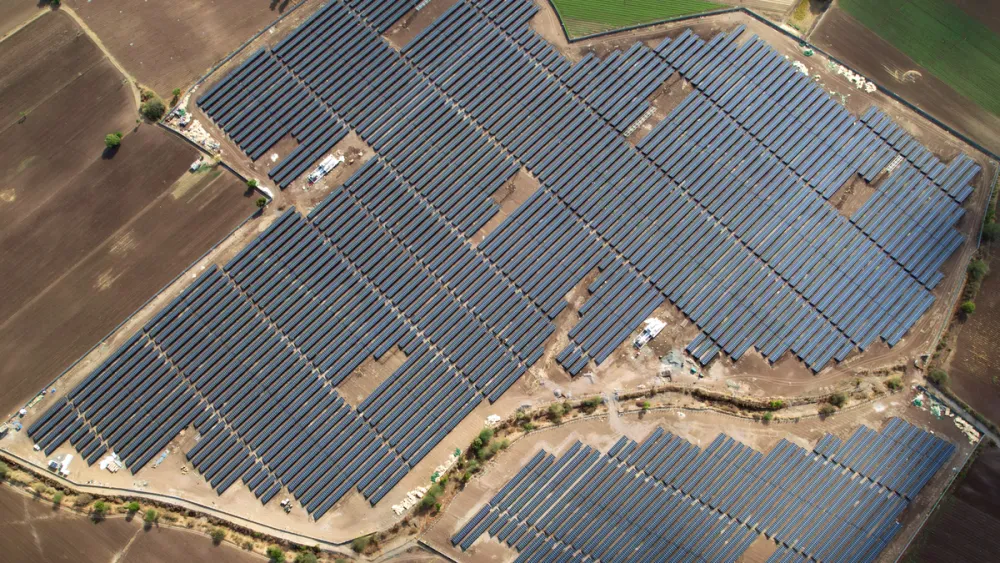
Sumatra and the Riau Islands already have plans for approximately 14 gigawatts of solar capacity by 2035. Ember identified opportunities for an additional 24 gigawatts of solar and 5.6 gigawatts of wind capacity along selected regional interconnection routes.
Stronger grid connections could also reduce the need for additional backup generation capacity and limit exposure to volatile fossil fuel prices.
However, scaling regional electricity trade requires coordinated transmission planning, transparent charges and clearer mechanisms for sharing infrastructure costs.
Nadhila said ASEAN must move beyond connectivity commitments towards implementation that supports multilateral trading.
“With the right regulatory frameworks and investment incentives, ASEAN has an opportunity to turn its regional grid ambitions into tangible economic and energy security benefits,” she said.
Without these reforms, underused infrastructure risks delaying investment and prolonging higher electricity system costs across the region.
















 Read Here
 Advertise
 Sign Up







Commentary
Philippines offshore wind ambitions meet the reality of grid readiness
When power availability becomes a real estate constraint