News
China General Nuclear inks deal with Romanian nuclear power plant
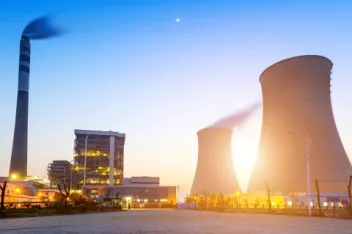
China General Nuclear inks deal with Romanian nuclear power plant
It could help CGN's future development.
China Longyuan Power's 3Q profit crashed massively by 67% to CNY159m

The wind power segment performed poorly.
Huadian Power's 3Q14 net profit jumps 28.1% to CNY1,573mn
Its gross margins are also looking good.
China Longyuan Power's wind power generation dropped 16% in September
Blame it on high base effect.
Huadian Power International's margins seen to have peaked
Its share price has also been stellar.
Huadian Power International's 2014 earnings predicted to be broadly flat
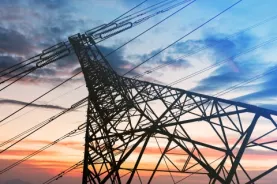
No thanks to higher power generation cost.
Huaneng Power's operating revenue drops 14.7% y-y
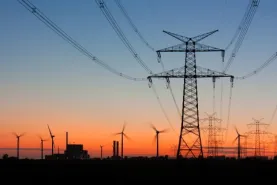
Blame it on the on-grid tariff cut.
Huaneng Power eyes pushing capacity growth up to 80GW in the next 3 years
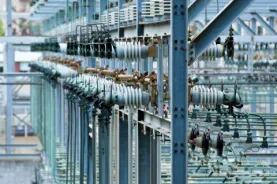
From 65GW by end-2013.
China's added energy power capacity hit over 1100 GW in last 20 years

But this rate is likely to slow down.
China IPPs brace themselves for more rounds of tariff cuts
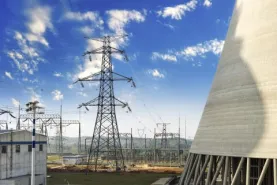
It depends on higher FCF.
China thermal power equities to grow in the next three years

Contrary to current depictions.
Suzlon Group wins 150 MW worth of turbine supply deals in India
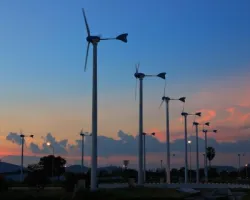
Indicating renewed interest in harnessing wind energy.
Kunlun mulls on bringing 3.7bcm of new capacity to liquefaction plants in 2015

As part of LNG-growing ventures.
Dipping energy costs give Japan more time to sort out renewable capacity woes
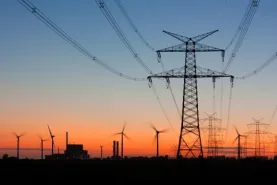
Thanks to lower oil prices.
New solar panel installations in Asia may see a push-out
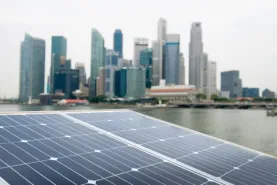
That is, if oil price declines sustain.
Here's why China's gas power generation could exceed 85 gigawatts by 2020
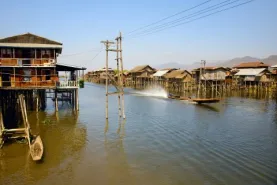
Renewable installed capacity and gas are involved.
Huaneng Power eyes 10 projects from parent group
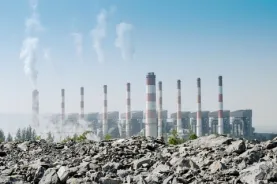
They're worth CNY9.3b in all.
Thought Leadership Centre


Most Read
1. Fossil fuel use falls as electricity gains share of global energy mix 2. Singapore and ADB renew 3-year pact to back ASEAN power grid projects 3. Thailand clean energy push accelerates with GCL SI–Getz Energy MOU 4. India’s grid lags renewables, threatening 2030 target 5. South Korea’s Hanwha Power expands Canada push with Pembina low-carbon MOUResource Center
 Read Here
 Advertise
 Sign Up
Event News

Learn how operators can navigate evolving operating conditions, minimise reliability risks, and improve generator performance amidst increasing system demands.









Commentary
The supply-side blind spot in ASEAN’s data centre boom
Managing risk for Indonesia’s conventional power sector in a decarbonising economy