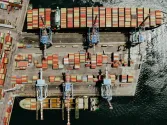
Singapore maintains top spot in ASEAN energy transition
However, its lead softened as the region matures.
Singapore continues to lead the Association of Southeast Asian Nations (ASEAN) when it comes to energy transition, according to the latest State of the Energy Transition in ASEAN survey.
Based on the 2025 edition of the Sustainable Energy Association of Singapore (SEAS) survey, 51.4% recognised the city-state’s leadership in energy shift; however, this has softened significantly from 95% in 2024
“Stakeholders still see Singapore’s clearest long-term role as leading the region on carbon pricing and a unified carbon market (29.5%), followed by deep solar integration (21.9%),” the SEAS said.
Malaysia ranked second with 14.3%, followed closely by Vietnam with 13.3%, indicating a more competitive and distributed landscape.
The top challenges to energy transition noted by stakeholders are grid infrastructure gaps (73%), regulatory uncertainty (67%), and financing constraints (56%). Supply chain instability (41.9%) and skills shortages (25.7%) are also pressing concerns.
The survey also found that 52.4% cited regional conflict and political tensions as a top external risk to the transition, followed by energy protectionism (45.7%) and supply chain disruptions (41.9%).
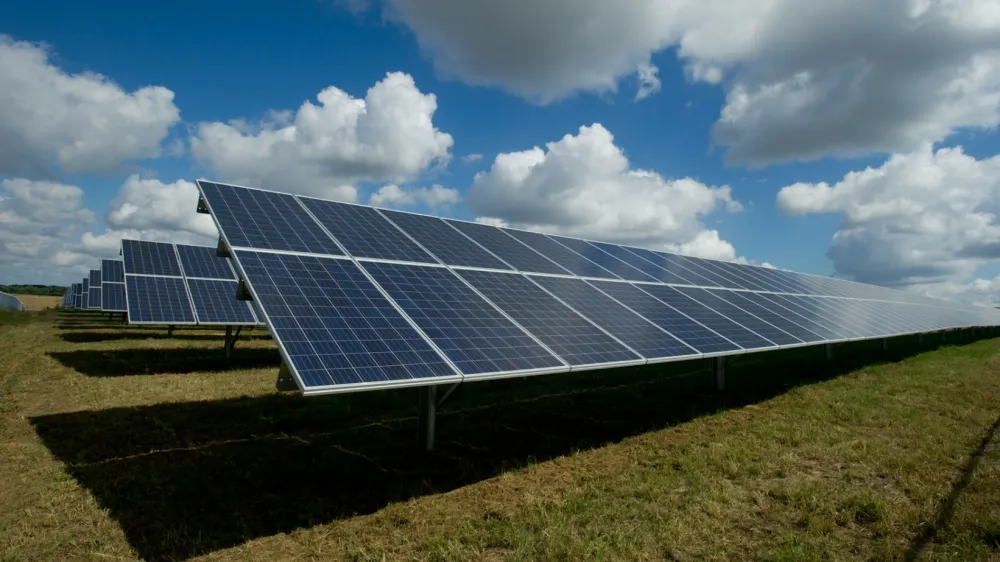
Despite the challenges, confidence in key technologies remains very high. Solar (83.8%) is seen as the energy source most likely to scale in the next five years, followed by green hydrogen (57.1%).
Investors are also prioritising capital allocation towards energy storage and batteries (65.7%) and transmission/grid upgrades (41.9%).
“The State of the Energy Transition in ASEAN” gathered targeted, expert responses from 105 energy industry professionals based in Southeast Asia. The survey was conducted online in August 2025.












 Read Here
 Advertise
 Sign Up