The supply-side blind spot in ASEAN’s data centre boom
By Joko SutopoRegion’s data-centre demand is outpacing new build as existing infrastructure strains under pressure.
Electricity demand from data centres across APAC is projected to rise by more than 140% to around 780TWh by 2030. Even as new power generation infrastructure is being built, the new capacity will not arrive in time to meet most of the required load. What this means is that existing power generation infrastructure will shoulder the burden, and the operational reliability of that fleet is now critical to the region’s ambitions.
ASEAN’s ageing infrastructure is a binding constraint
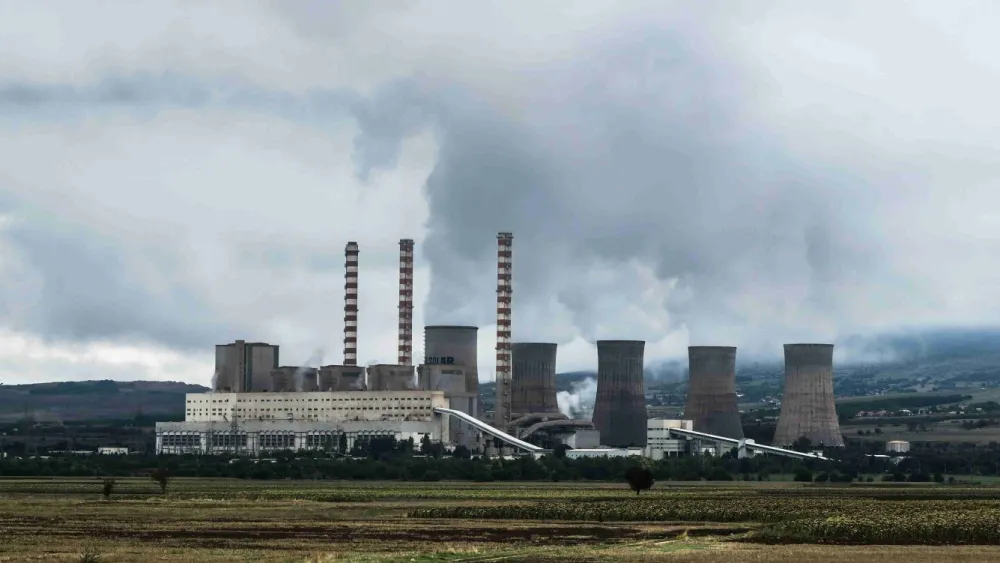
Be it coal or gas-fired, most of ASEAN’s mainstream power generation fleet was not designed for today’s operating conditions. The grid now demands a combination of always-on computing, intense cooling requirements and rising utilisation levels.
Data centre clusters create concentrated demand hotspots caused by fast load swings due to large language model training and utilisation that can potentially overwhelm the surrounding generation infrastructure, well beyond intended design remits. When turbines, generators and pumps are subjected to frequent ramping, thermal cycling and elevated vibration levels, the compound effect over time is accelerated fatigue and a higher chance of unplanned outages.
Humid tropical conditions also expose cooling systems to higher incidents of corrosion, leakage and mismatched hydraulic performance, which may reduce efficiency and safety margins.
There’s also a key danger that electrical components, such as insulation systems, windings and protection equipment, may degrade faster under fluctuating loads and environmental stress, increasing the risk of unexpected outages. When unplanned trips occur, operators naturally rely on emergency generation, but this drives up operating costs and undermines long-term efficiency targets.
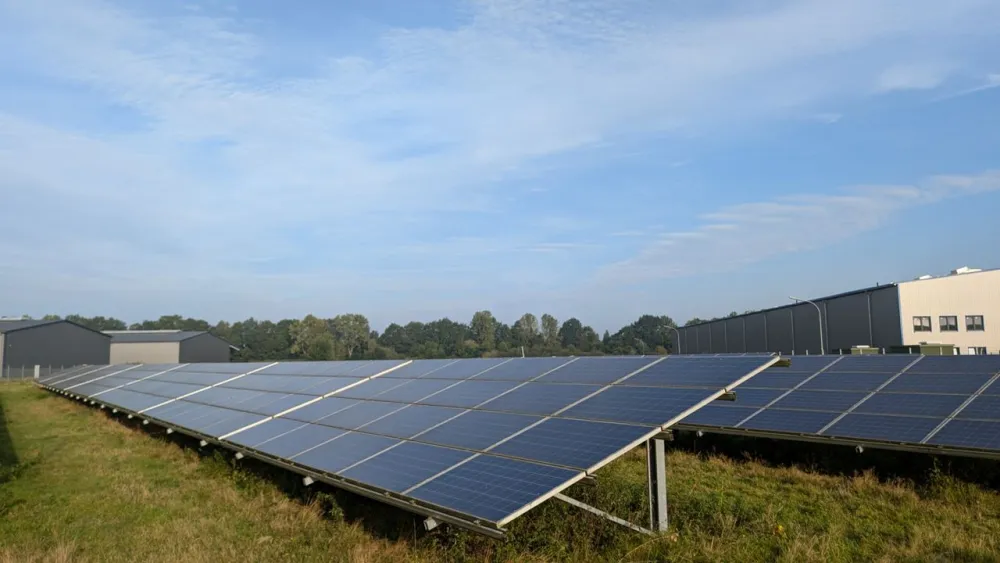
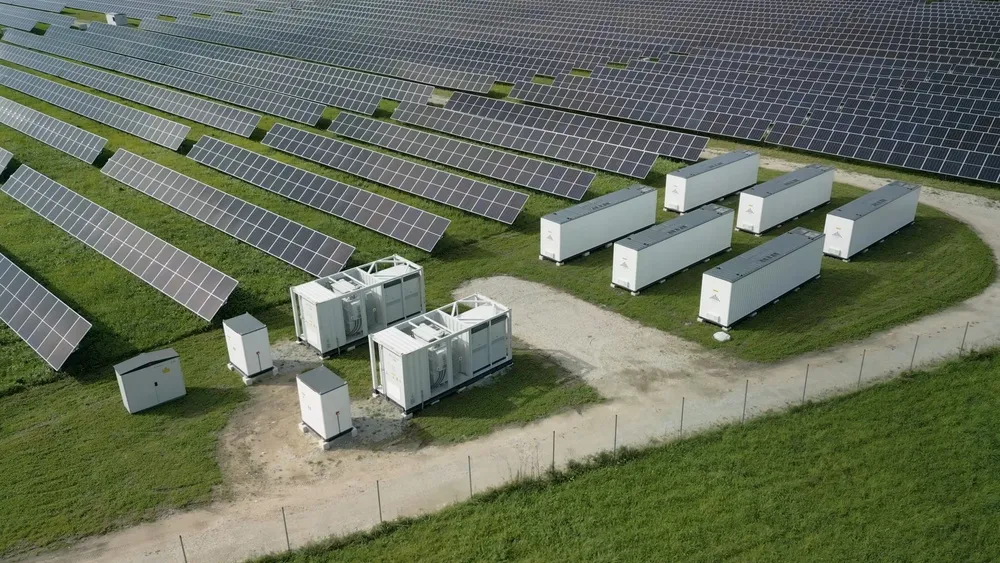
To manage the situation, data centre operators have invested in behind-the-meter (BTM) solar panels, on-site generation equipment, battery storage, efficiency fixes to meet power demand, and mitigate risks. Despite these measures, land constraints, solar intermittency, storms and limited large-scale battery capacity still undermine what BTM can deliver from a reliability perspective. The performance of existing grid-connected generation, therefore, remains a blind-spot constraint.
Strategies to bridge new generation capacity timelines
Whilst new capacity gradually builds to ease the supply crunch, targeted engineering could be the single most viable strategy to restore performance, extend asset life, and reduce outage risk, sometimes within months rather than years, with existing infrastructure.
The toolkit is well established. Precision overhauls of turbine rotors, shaft realignment, coupling repairs, and generator rewinds work well to recover lost efficiency and stabilise output. Pump retrofits, hydraulic re-rating and improved sealing systems lower energy losses and improve flow reliability in cooling circuits.
Condition monitoring and customised interventions informed by predictive maintenance programmes allow operators to detect degradation early and schedule work before defects escalate into failures. In one case in the Philippines, a cracked rotor coupling was repaired and realigned within weeks, avoiding potentially months of outage. This level of precision work can restore output quickly while minimising unplanned downtime, and strengthening confidence in supply for downstream users, such as those in data centres.
Opportunities also exist for cooling and pumping systems. At a 400MW Indonesian power plant, a corroded cooling pump threatening output was replaced with a custom unit in under three months. Retrofitted with redesigned hydraulics and corrosion-resistant materials, the replacements improved throughput, cut energy losses, and lowered lifecycle costs compared to a full system replacement.
Hydraulic re-rating, improved seals, and flow-curve matching are additional efficiency measures that also reduce maintenance costs and water and energy waste, helping operators stay ahead of tightening ESG standards on emissions and water use.
A speed-to-power lesson from hyperscale environments
The case for targeted engineering becomes sharper still when speed-to-market is the key goal. In the hyperscale world, waiting for an entirely new generation is not a viable option. One support for a greenfield data centre in the US illustrates how acute the pressure becomes at hyperscale level, for generation assets to deliver sufficient power reliably and on schedule.
The solution was a targeted engineering approach. Three existing generators of roughly 40MW each were refurbished and repurposed, with their control systems modernised so that the new data centre cluster could be operational on a tight schedule. The results prove that repurposed assets, engineered to a "like-new" standard offers the fastest-available route to bridging the speed-to-power gap.
The benefits of this can also compound across the network. Stronger availability and reliability at generation-level supports onsite microgrid stability strengthens supply for co-located facilities, and reduce systemic stress during peak demand.
Even single-digit percentage gains in uptime or efficiency can translate into substantial megawatt-hours saved annually, meaning lower operating risk for data centre operators and greater resilience for the surrounding power network.
ASEAN will thrive competitively on reliability
In ASEAN, where data centre capacity is expanding rapidly, such as with the Johor-Singapore Special Economic Zone (JS-SEZ), engineering precision at plant-level needs to scale to deliver regional economic impact. As digital infrastructure becomes the basis from which finance, manufacturing, healthcare, and public services will thrive, power reliability will become a competitive lever. Cloud providers and hyperscale operators will consider infrastructure resilience when selecting sites, while investors will run audits on uptime records and asset condition.
Regulators, meanwhile, will scrutinise energy efficiency, water use and emissions intensity.
Achieving the highest-attainable performance from existing power infrastructure is one of the most immediate and practical levers available to lower risks of outages, increase resource efficiency and enhance long-term competitiveness. Partnering with service providers who support multiple equipment types, with local expertise across the full power chain to help attain this level of performance, will make all the difference.













 Read Here
 Advertise
 Sign Up