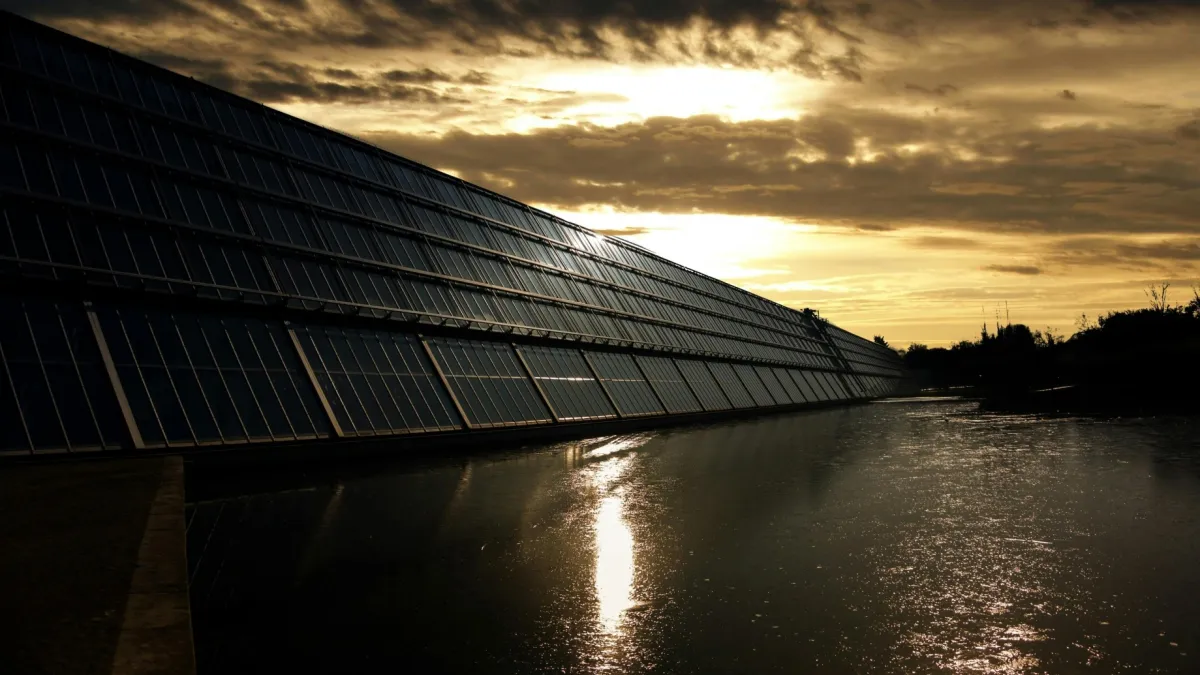
Floating solar to play critical role in Asia’s renewables expansion
Interest is increasing in ASEAN.
Floating solar technology is expected to play a more significant role in Asia’s expanding renewable energy capacity, a new report by Willis said.
According to the Renewable Energy Market Review 2025, Willis said the optimisation of FPV systems is gaining significant traction “with technological innovation, supportive policy frameworks and competing challenges for land use.”
Per region, the ASEAN markets are seeing increasing interest in the said solar technology amidst active participaction by developers and government tenders.
“FPV projects face technical challenges, especially regarding floater design and the resiliency of anchoring and mooring systems, particularly in sites exposed to natural catastrophes.” Sam Liu, Head of Renewable Energy, Willis Natural Resources, Asia said.
“Site selection is therefore critical, as it directly impacts the overall system design. Extensive technical studies are therefore required to gather accurate environmental data and ensure the project is engineered for long-term performance and durability,” Liu added.
The report also explores various key trends, which include persisting softening of market conditions, natural catastrophe losses remaining to be a major concern, and renewable innovation gaining momentum.
“Whilst global pressures endure, the next wave of innovation continues to push the sector forward into new and unchartered waters, low carbon power generation doesn’t stop with wind and solar,” Steven Munday, Global Renewable Energy Leader, Willis Natural Resources said. “Different regions face intrinsic risks and opportunities, but the renewable energy sector as a whole can step into the future to deliver clarity and confidence.”


















 Read Here
 Advertise
 Sign Up