$3t investment supercycle to drive global data centre growth by 2030
Renewables, storage, and gas reshape global data centre energy.
The global data centre sector is set for growth, with capacity expected to nearly double from 103 GW to 200 GW by 2030, driven by rapid artificial intelligence integration and significant energy constraints, according to JLL’s 2026 Global Data Center Outlook.
The expansion will require $3t in total investments over the next five years, including $1.2t in real estate asset value creation and approximately $870b in new debt financing, marking an infrastructure investment supercycle.
“The sheer scale of demand is extraordinary. Hyperscalers are allocating $1t for data centre spend between 2024 and 2026 alone, while supply constraints and four-year grid connection delays are creating a perfect storm that’s fundamentally reshaping how we approach development, energy sourcing and market strategy,” said Matt Landek, global division president of data centres and critical environments at JLL.
Despite the projected growth, average grid connection lead times exceed four years in primary markets due to utility interconnection delays and mounting pressure from rising grid electricity costs.
This is forcing operators to directly fund their own energy generation, and several markets have implemented de facto “bring your own power” mandates, including Dublin and Texas.
Natural gas is expected to ease grid constraints in the United States, serving as both a bridge and permanent power source, according to the report.
In Europe, the Middle East, and Africa, projects combining renewables with private-wire transmission can reduce power costs for tenants by up to 40% compared with the grid.
Battery energy storage systems are also gaining popularity for their cost-effective handling of short-duration outages, making them a dynamic grid asset to expedite interconnection timelines.
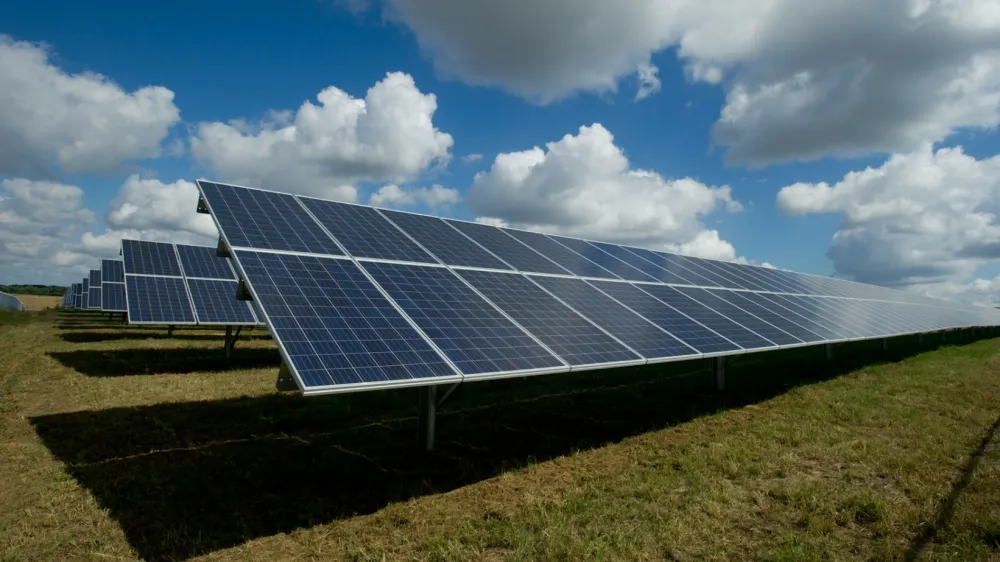
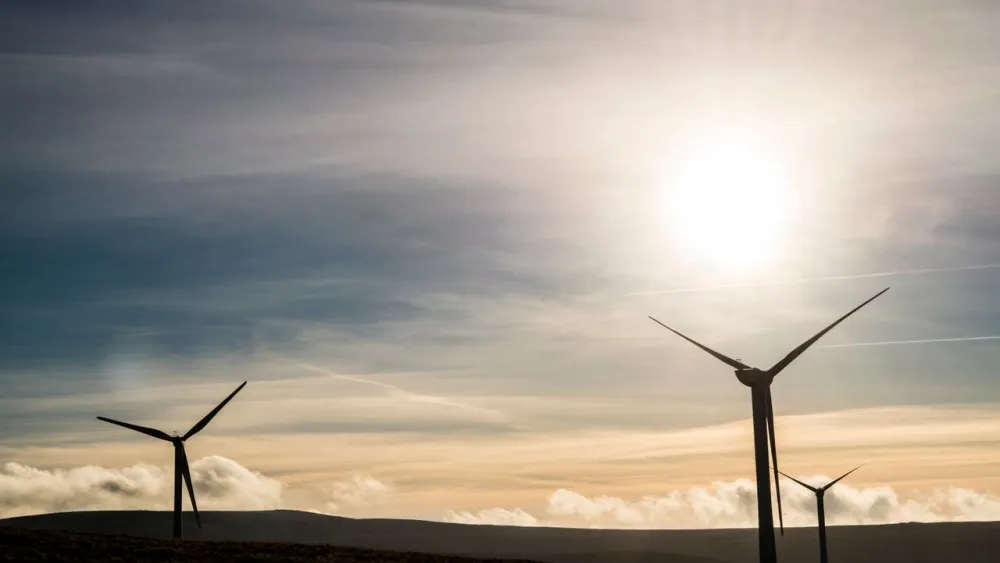
Solar-plus-storage will become a key component of global data centre energy strategies by 2030, with renewable energy costs projected to outcompete fossil fuels across all major regions.













 Read Here
 Advertise
 Sign Up