Asia urged to cut fossil fuel imports through electrotech shift
The Strait of Hormuz chokepoint puts 40% of Asia’s oil imports at risk.
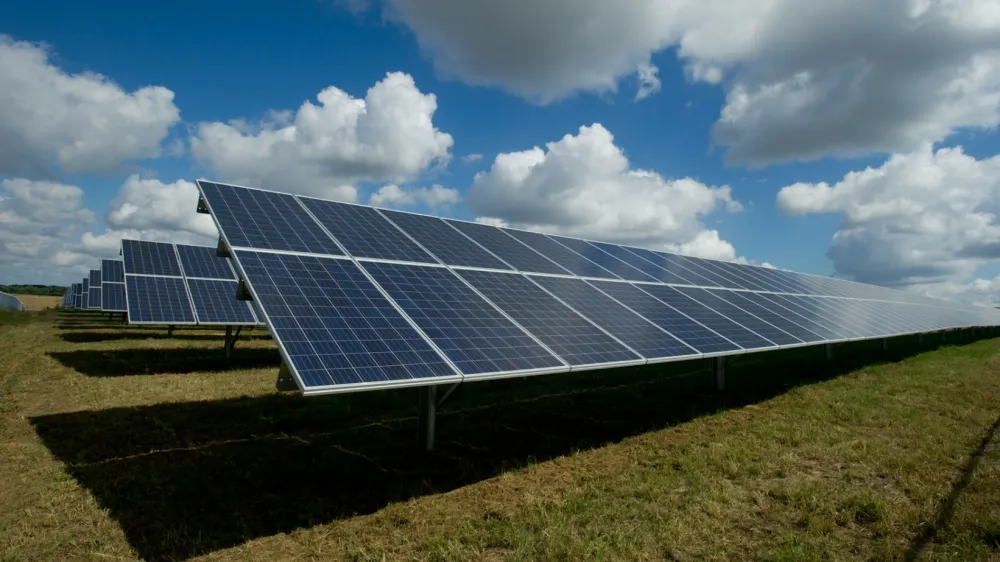
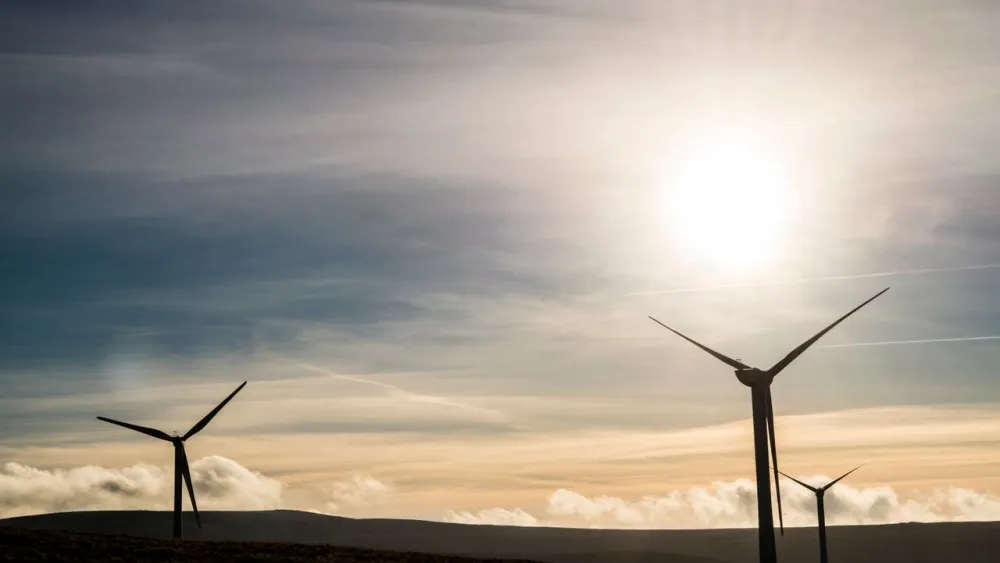
Transitioning to "electrotech"—specifically solar, wind, and electric vehicles—is now Asia Pacific’s primary way to achieve energy independence and reduce net fossil fuel imports by 70%, according to an Ember report.
As the conflict in the Middle East continues, 75% of the global population living in net fossil fuel-importing countries are affected, with Asian economies amongst the most exposed.
Furthermore, roughly 40% of Asia’s oil imports remain at risk due to their passage through the Strait of Hormuz.
The economic case for renewables has strengthened as costs plummet; solar panel prices halved in 2022, and battery storage costs fell by 36% in the same period.
For countries with tariff-free imports, the cost of dispatchable solar has dropped to $76/MWh, making it a cheaper and more secure alternative.
“By prioritising the electrification of transport and heating alongside renewable power generation, the region can move away from a fragile, trade-dependent energy system,” Ember concluded.








 Read Here
 Advertise
 Sign Up