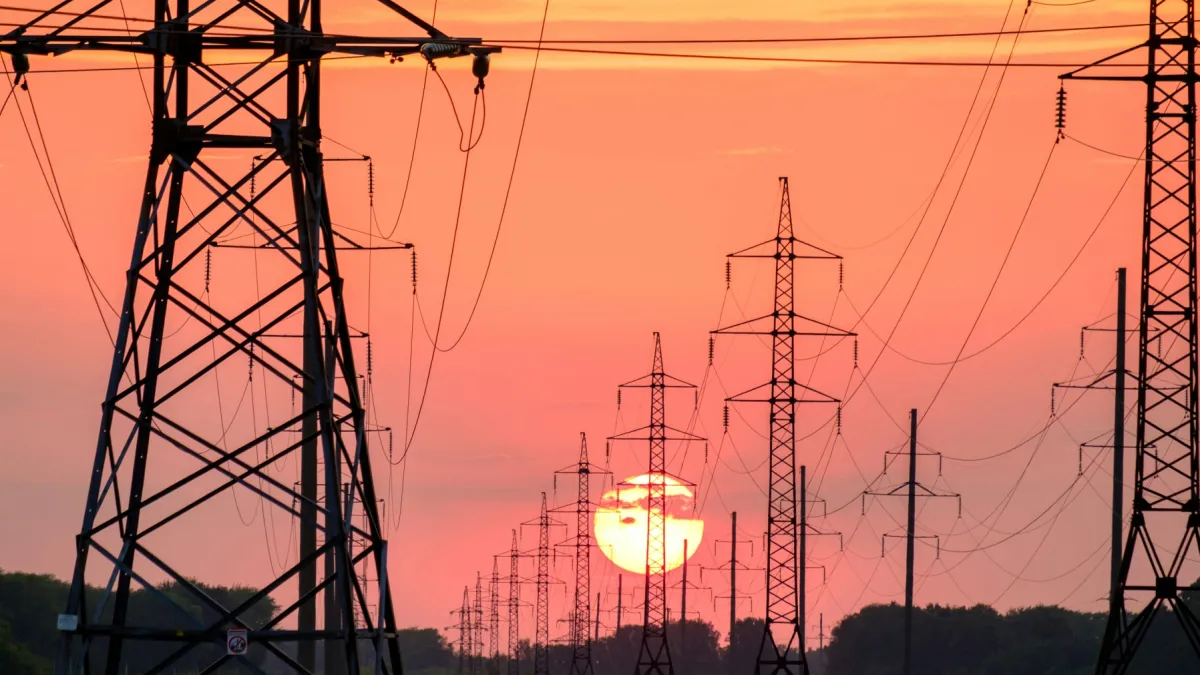
Indonesia’s $1b grid funding shortfall exposes PLN’s structural financing strains
Underinvestment leaves power network behind transition requirements.
Indonesia’s electricity transmission investment gap stems from structural financing constraints within PT Perusahaan Listrik Negara (PLN), which calls for a ring-fenced transmission subholding to lower financing costs and accelerate grid expansion.
The Institute for Energy Economics and Financial Analysis’ (IEEFA) latest report says Indonesia’s Electricity Supply Business Plan 2025–2034 requires an average of $2.4b in annual transmission investment, whilst realised spending has averaged $1.4b a year since 2019.
Transmission investment is financed through PLN’s consolidated balance sheet alongside generation, fuel procurement, distribution and subsidy-related obligations. This structure exposes grid investment to fuel price volatility, foreign exchange risk, and subsidy timing risk, raising financing costs for transmission assets.
IEEFA added that transmission networks function as natural monopolies with stable, regulated cash flows, but are not treated as standalone assets for external financing in Indonesia.
It proposed the creation of a separate PLN transmission company through corporate restructuring and financial ring-fencing within state ownership. This would separate transmission assets, costs and revenues and enable regulated tariffs to support cost recovery and long-term financing.
PLN has already been restructured into subholdings with separate balance sheets and boards, IEEFA said, adding that a transmission subholding would extend this model to grid assets.
The role of Indonesia’s sovereign investment holding company Danantara, which oversees PLN, underscores the case for financial separation by enabling investment based on transmission risk profiles.
A ring-fenced transmission entity could support renewable integration, inter-island grid expansion, and cross-border power trade, including a proposed Indonesia–Singapore renewable electricity export project valued at about $30b, IEEFA said, citing Power Grid Corporation of India Limited and Vietnam’s National Power Transmission Corporation.
IEEFA added financial separation would not alter state ownership or require market liberalisation, and states transmission would remain a regulated monopoly under existing law and constitutional rulings.
It also recommends that a transmission entity could be listed on the Indonesia Stock Exchange over time to improve governance transparency and broaden access to capital.

















 Read Here
 Advertise
 Sign Up