China and India power Asia-Pacific’s growth in global solar expansion
China installed an estimated 278.9GW of solar capacity in 2025 alone.
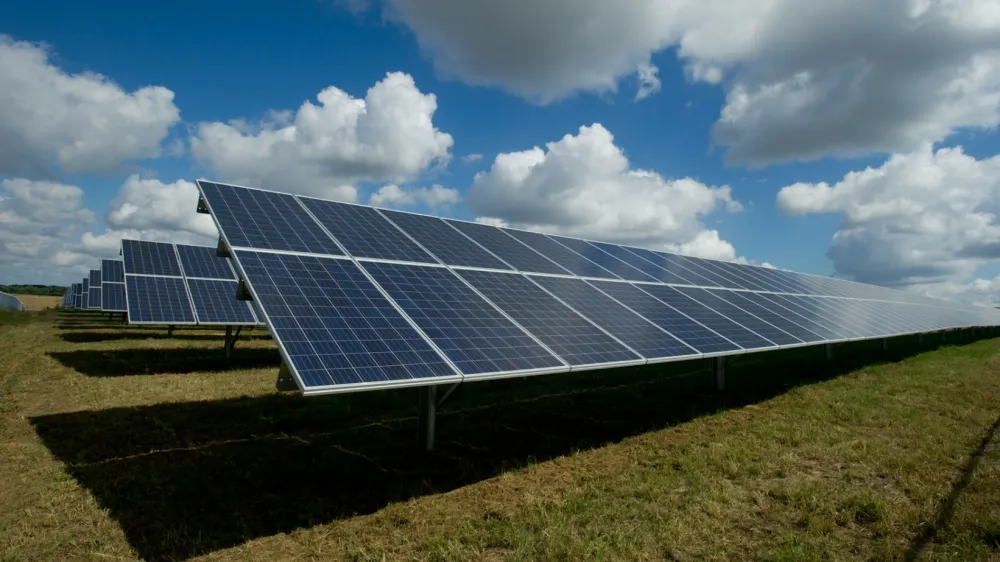
Asia-Pacific (APAC) is now the world’s largest solar PV market, accounting for about 68% of global installations by the mid-2020s.
According to GlobalData's Asia Pacific Renewable Energy Policy Handbook 2026 report, China is the primary driver of growth, installing an estimated 278.9GW of solar capacity in 2025 alone—far ahead of other markets.
India followed as another key contributor, adding around 31GW and strengthening its position amongst the world’s largest solar markets.
Mature markets also continued steady expansion, with Japan adding approximately 6.5GW and Australia contributing about 4.6GW, largely driven by widespread rooftop solar adoption.
Elsewhere in the region, countries across Southeast Asia and South Korea have also recorded rapid solar capacity growth in recent years, with Vietnam emerging as a notable hotspot for deployment.
GlobalData Power Analyst Sudeshna Sarmah attributed the sustained momentum to structural cost declines and strong policy support.
"Solar equipment costs have fallen sharply due to strong supply, keeping solar PV amongst the cheapest sources of new power," he said. "At the same time, governments are reinforcing growth through renewable targets, incentives, and competitive auctions, with solar positioned as a central pillar of national decarbonisation and energy security strategies.”
The report also cited APAC’s dominance in the global solar supply chain, led by China, which continues to enable economies of scale and reduce project costs across the region. Improved investor confidence and growing experience with large-scale projects have further accelerated deployment.
Looking ahead, GlobalData expects the region’s leadership to continue, supported by rising electricity demand and ambitious national targets through 2030.
China is projected to remain the largest single contributor to global renewable additions, whilst India and other emerging markets scale up installations.
"Despite challenges such as grid integration and land constraints, policy adjustments and newer applications such as floating solar are helping sustain growth, positioning APAC to retain leadership in solar PV well into the 2030s," said Sarmah.


















 Read Here
 Advertise
 Sign Up