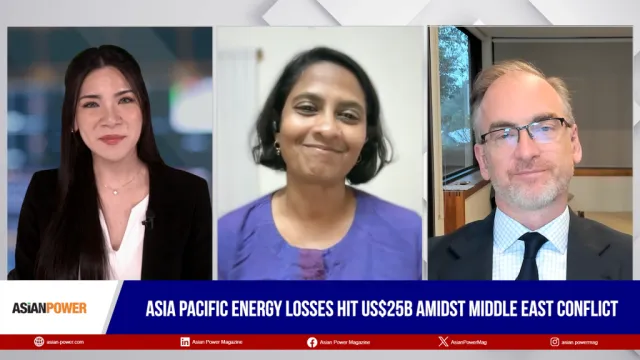
Asia Pacific energy losses hit US$25B amidst Middle East conflict
APAC businesses face margin pressure as fuel costs push up input logistics and shipping expenses across value chains.
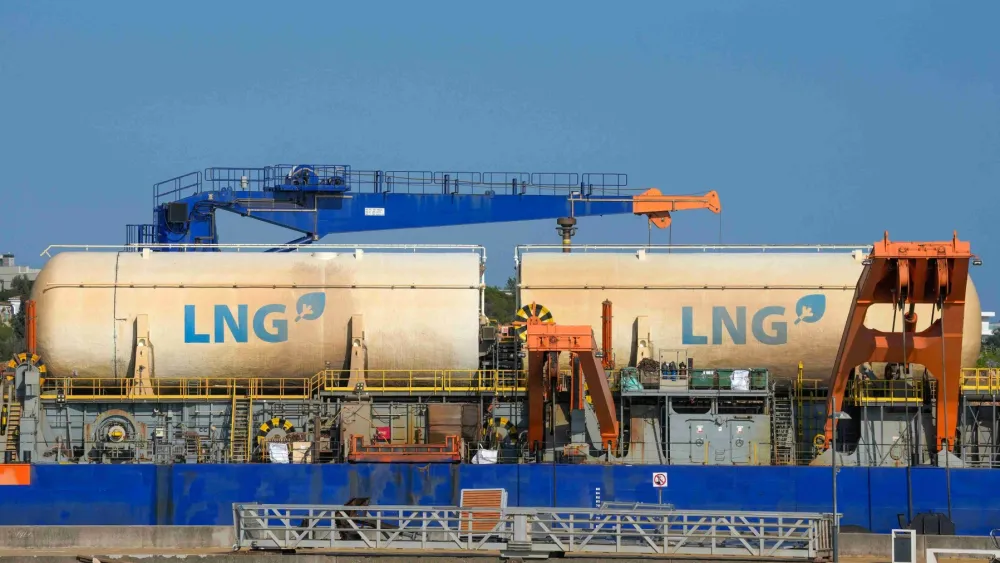
Asia-Pacific’s reliance on imported fossil fuels is exposing businesses to deeper cost, supply and inflation risks as Middle East disruption moves through energy markets and wider value chains.
Swathi Seshadri, Energy Specialist for Petrochemicals in South Asia at the Institute for Energy Economics and Financial Analysis, said many regional economies depend heavily on imported oil and gas despite their industrial scale. Much of that supply moves through the Strait of Hormuz, leaving countries exposed to geopolitical shocks.
“We are at the mercy of the global market, which is then influenced by geopolitics,” Seshadri said.
The risk goes beyond energy use. Seshadri said fossil fuels are also feedstocks for fertilisers, plastics and textiles, sectors that are important to Asian economies. Rising prices can therefore lift industrial costs, worsen inflation, drain foreign exchange reserves and increase fiscal pressure when governments use subsidies to cushion consumers.
Will Symons, Asia-Pacific Climate and Sustainability Leader at Deloitte, said fuel-importing countries have limited control over energy cost and supply. “Energy disruption is no longer episodic, it's systemic risk that moves through entire value chains, not just energy markets,” he said.
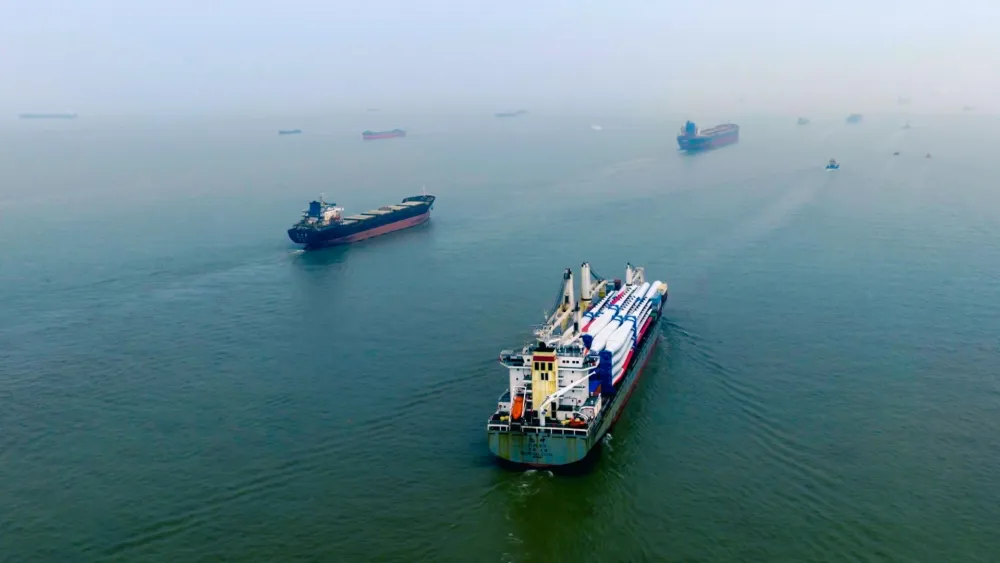
Businesses face a double squeeze. Seshadri said higher input, logistics, insurance and shipping costs are pressuring margins, whilst weaker consumer spending could reduce demand for non-essential goods.
Symons said freight is a key transmission channel because more than 90% of heavy vehicles in the region run on diesel. Volatile fuel prices make procurement, pricing and planning harder, especially for companies built around low-cost sourcing and just-in-time supply chains.
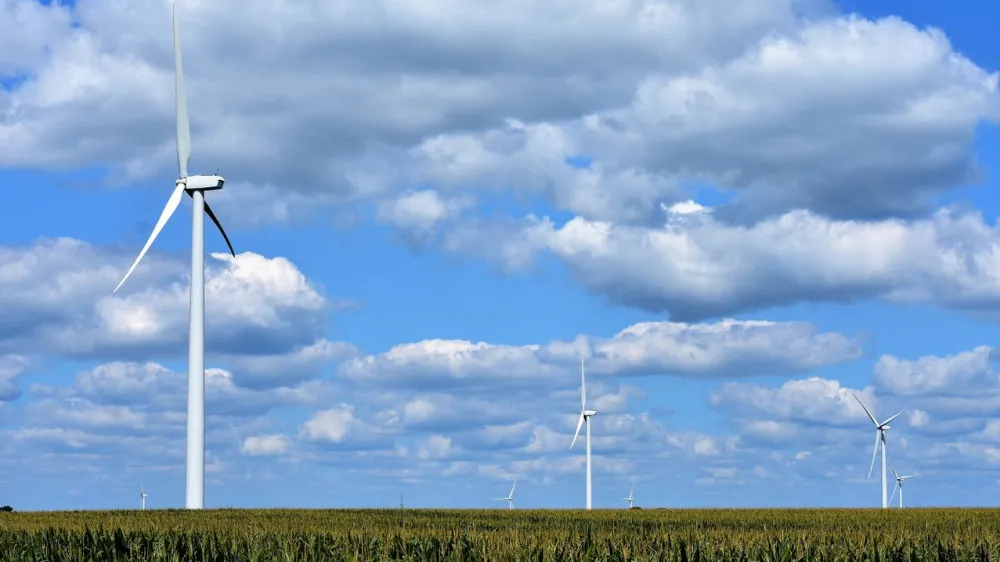
Both interviewees said businesses need to reduce exposure to fossil fuel shocks. Seshadri said governments should scale renewable energy, support ecological farming, reuse systems and natural fibres. Symons said companies need to secure supply continuity, improve pricing models, invest in data and artificial intelligence, and build simpler regional supply chains.
For Asia-Pacific, the test is whether resilience can replace cost efficiency as the main defence against future energy shocks.


















 Read Here
 Advertise
 Sign Up







Commentary
Why bigger digesters alone won't solve Asia's renewable energy challenge
Scaling for resilience: What Asia Pacific’s bioenergy markets can learn from each other