China's 1.3 TW wind capacity target to drive hybrid tower growth
Hybrid towers expected to account for 60%–70% of new onshore wind installations.
China's plan to expand its wind power capacity to 1.3 terawatts (TW) by 2030 is expected to accelerate the adoption of hybrid wind turbine towers, according to according to WTW's Renewable Energy Market Review 2026.
Industry projections indicate that steel–concrete hybrid towers could account for 60% to 70% of new onshore wind installations over the next decade, particularly in inland regions with low wind speeds and complex terrain.
The transition is expected to be supported by annual wind installations exceeding 120 GW between 2026 and 2030, in line with China's long-term target of reaching 5 TW of wind capacity by 2060.
The outlook builds on the sector's strong performance in 2024, when China installed 79 to 87 GW of new wind capacity, representing nearly 70% of global wind installations.
The country's cumulative installed wind capacity also surpassed 520 to 560 GW.
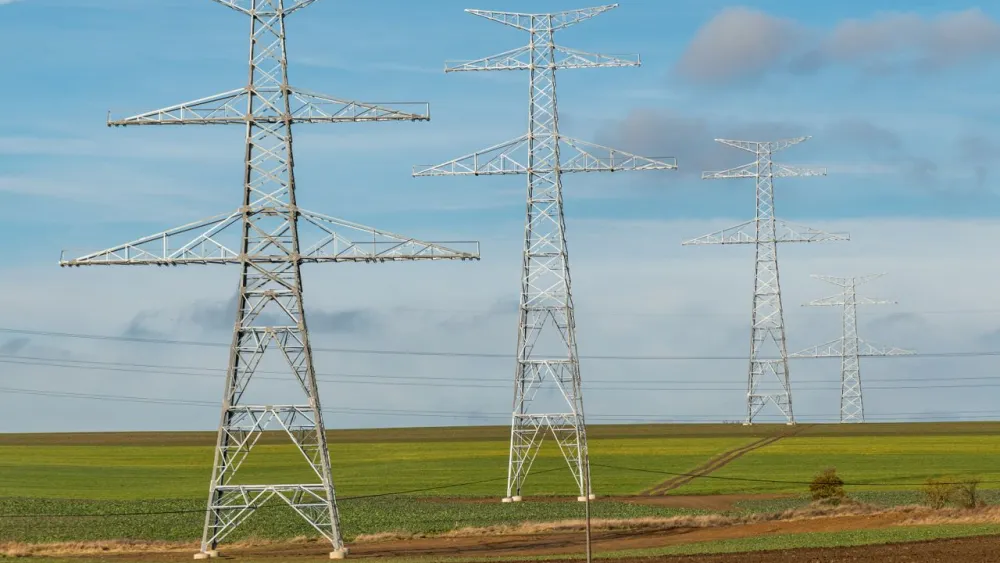
The rapid expansion has fueled demand for hybrid wind towers, which combine steel and concrete to support larger and taller turbines.
The report also showed that hybrid tower penetration increased from around 30% in 2023 to 33% to 40% in 2024, whilst hybrid tower-related project awards exceeded 61 GW of onshore wind capacity during the year—nearly three times the volume recorded in 2023.
The growing adoption is closely linked to the industry's shift toward 5 to 10 MW wind turbines with hub heights of 140–180 meters.
Compared with conventional steel towers, hybrid towers typically reduce construction costs by 30% to 40% whilst increasing energy production by enabling turbines to capture stronger winds at higher elevations.
Leading wind turbine manufacturers are also expanding their hybrid tower offerings, whilst specialised suppliers continue to dominate the segment, accounting for more than 80% of the domestic hybrid tower market. Construction companies have begun entering the sector, broadening the supply chain.
The rapid deployment of hybrid towers, however, is increasing the need for stronger quality assurance, structural integrity, and lifecycle risk management as projects become larger and more technically complex.
Traditional insurance products often address either product quality risks or third-party liability exposures, leaving coverage gaps throughout a project's lifecycle.
In response, project owners and developers have increasingly begun adopting integrated insurance solutions since early 2025 that combine Product Liability Insurance and Product Quality Guarantee Insurance into a single framework.
The integrated approach is designed to improve project insurability, enhance financing and bankability, and strengthen confidence among developers, investors, lenders, and other stakeholders as China's hybrid wind tower market continues to scale.

















 Read Here
 Advertise
 Sign Up