Investing in energy efficiency could deliver up to $11.6b in power cuts
The savings resulting from prioritising energy efficiency make it no longer an option.
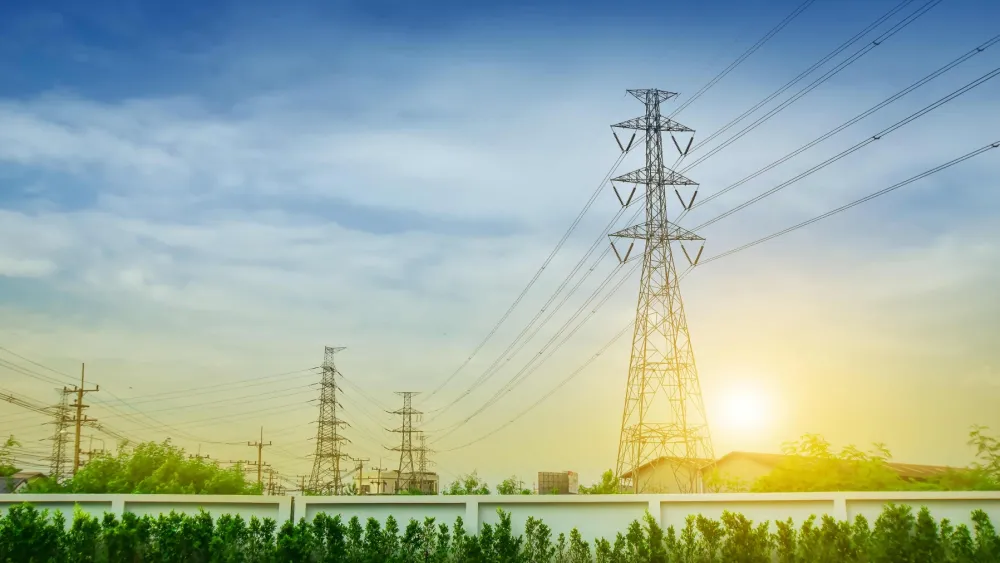
Injecting capital to achieve energy efficiency could lead to up to $11.6b in power savings for a typical middle-income country by 2050.
Specifically, the World Bank said in a new report that with every dollar invested, energy efficiency can yield $3 to $5 in returns.
“Energy efficiency is no longer optional—it is a necessity for countries seeking affordable and reliable energy for their people, whilst driving economic growth and creating jobs,” said World Bank Vice President for Infrastructure Guangzhe Chen.
In 2022, the push for energy efficiency was the biggest source of jobs across the energy sector, employing almost 11 million people worldwide, ranging from manufacturing and construction to installation and support services.
With nearly two-thirds of the world's primary energy is wasted, World Bank urges governments, financial institutions, and the private sector to prioritise energy efficiency and focus on national programs across all users.
“These efforts will help countries manage rising power demand, prevent overspending on new energy infrastructure, cut fuel imports, and reduce future debt in their energy sectors,” it said.

















 Read Here
 Advertise
 Sign Up