, China
234 views

China gets go-ahead for 6GW onshore wind farm in Mongolia

It could be the world’s largest onshore wind project.

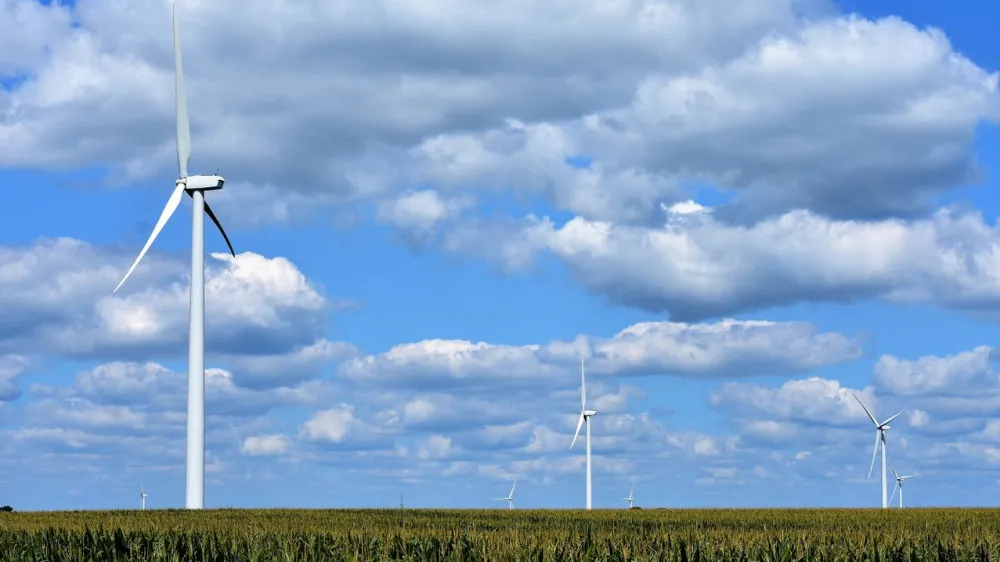
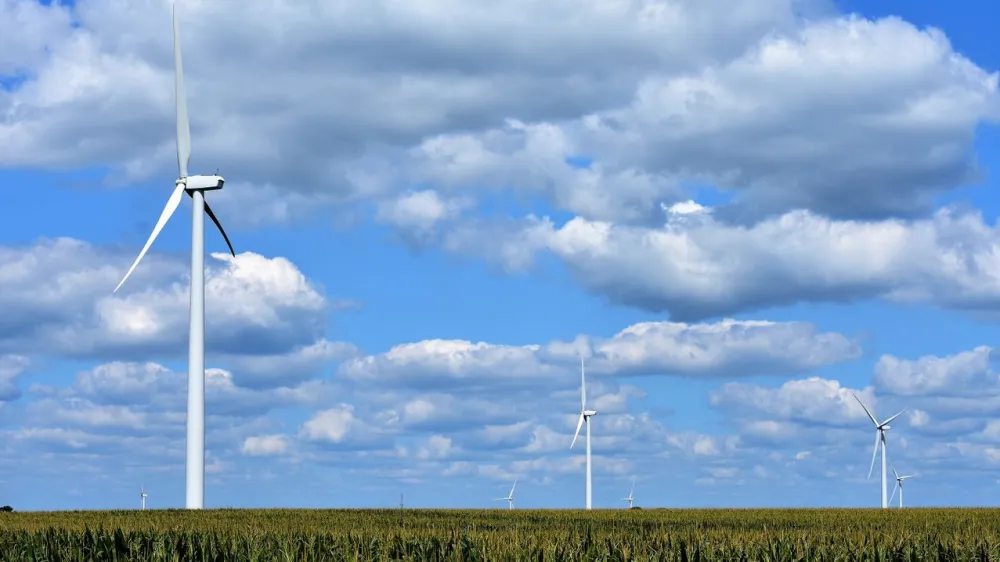
China’s State Power Investment Corp (SPIC) got the go-ahead for a 6GW onshore wind project in Inner Mongolia worth $6.2b, Recharge News reports. SPIC said the project will be the world’s largest.

The Ulanqab wind project will sell power with no subsidies. The report adds that it will compete with coal-fired power’s price benchmark in the region at $41.26/MWh.

The renewables director of China’s National Energy Administration (NEA), Liang Zhipeng, said zero-subsidy wind is feasible in some regions of the country, especially pointing to projects in Ulanqab – the “wind capital of China.”

According to SPIC, it is ensuring grid transmission for the project. The State Grid revealed plans to build 12 new ultra-high-voltage (UHV) transmission grids, including one from western Inner Mongolia to Shanxi.

Join Asian Power community
Since you're here...

...there are many ways you can work with us to advertise your company and connect to your customers. Our team can help you design and create an advertising campaign, in print and digital, on this website and in print magazine.

We can also organize a real life or digital event for you and find thought leader speakers as well as industry leaders, who could be your potential partners, to join the event. We also run some awards programmes which give you an opportunity to be recognized for your achievements during the year and you can join this as a participant or a sponsor.

Let us help you drive your business forward with a good partnership!

Top News

JERA secures 2M tonnes of LNG supply from Petronas
The long-term LNG Agreement covers two million tonnes annually from 2028.
Project
Australia extends solar R&D funding to cut costs below $20/MWh
Research focuses on next-generation solar cells, including tandem silicon and perovskite
Johor data centres may consume 40% of power demand by 2035
Grid access, rather than overall generation capacity, is emerging as the main constraint on further expansion.