Grid investment strains as India’s demand accelerates
Rapid growth tests power networks as energy needs surge.
India’s accelerating energy demand is putting growing pressure on its power grid, forcing massive investment just to keep pace as consumption rises across households, industry and digital infrastructure. The International Energy Agency projects India will add more than 15 exajoules of global energy demand by 2035, making it the world’s largest driver of demand growth and intensifying strain on transmission and distribution networks.
“India has been growing at a rate of about six to 7% now over the last few years, and is expected to continue growing over the next probably a decade,” said Rupam Saikia, General Manager, IGS, India. “That, coupled with rapid industrialisation, urbanisation and rising incomes, are the other factors… driving the need for baseline energy.”
He said India is “adding in terms of urban population equivalent to a major city each year,” lifting floor space, car ownership and appliance use such as air conditioners, which “lock in a higher electricity and energy demand.”
Ray Tay, Associate Managing Director at Moody’s Ratings, said India’s growth profile makes the challenge structural. Moody’s projects India’s real GDP growth at “around 6.4% for 2026 after a phenomenal 7.6% in 2025,” with demand amplified by a large population, rising incomes and power consumption “starting from a low base.”
To cope, India is planning significant grid expansion. Tay said “substantial expansion is planned to strengthen India's power grid by 2032,” including greater inter-regional transmission along the west coast. He estimated that overall grid investment, covering intrastate and regional transmission and distribution, will average “close to 1% of India's real GDP over the next 10 years.”
Saikia said India has already spent “about… two lakh crore on transmission infrastructure to integrate about 500 gigawatts” of non-fossil capacity, including green energy corridors linking solar- and wind-rich states such as Rajasthan and Gujarat to demand centres nationwide.
Despite this, rollout risks remain. Saikia said “the grid rollout is not at par with production,” creating a mismatch between renewable buildout and transmission infrastructure, alongside land acquisition delays and stakeholder opposition. Tay said the investment burden is even heavier when broader transition goals are considered, estimating power-sector investment at “around 2% per annum of GDP for the next 10 years,” while strong growth could also drive coal capacity expansion, complicating decarbonisation.
Additional pressure is coming from electrification and data centres. Tay said India has about 1.25 gigawatts of data centre capacity and is building another 800 megawatts, with demand growing at a CGAR of 21% till 2030. He said execution will be critical, as India needs to add around 450 gigawatts of renewable energy capacity over the next 10 years.
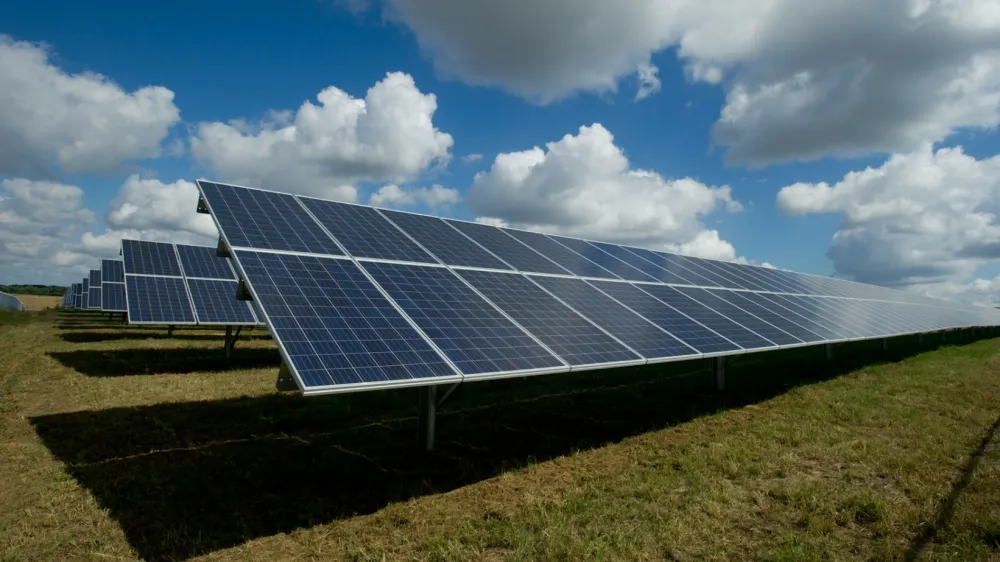
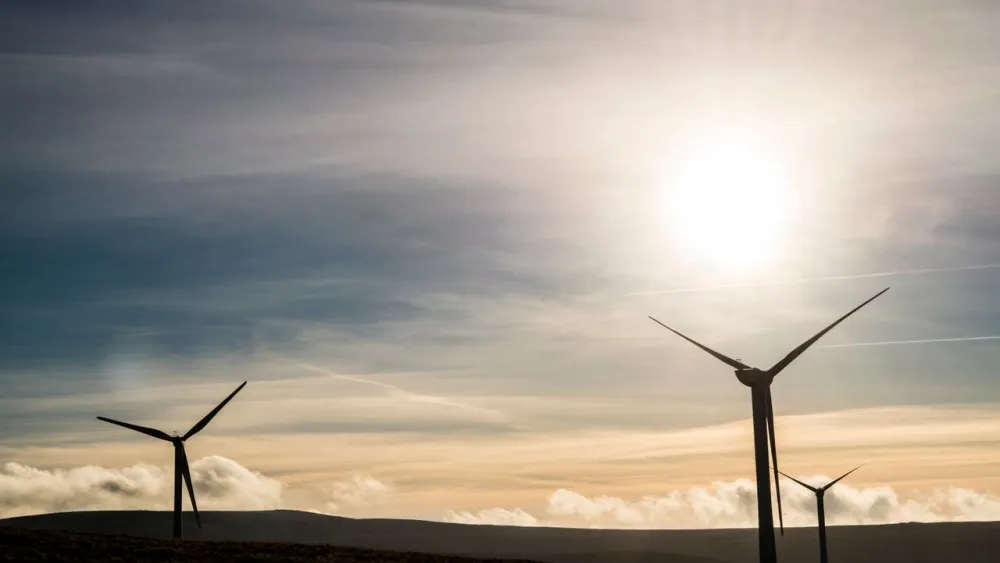
On generation, Tay said solar and wind power will dominate new capacity additions, supported by storage such as pumped hydro and batteries. Saikia added that improving efficiency and reliability of existing power plants and refineries “can do a lot in terms of providing a stable base load production,” making grid readiness and asset performance central to managing India’s energy surge.




















 Read Here
 Advertise
 Sign Up







Commentary
Why bigger digesters alone won't solve Asia's renewable energy challenge
Scaling for resilience: What Asia Pacific’s bioenergy markets can learn from each other