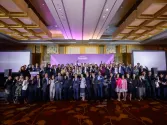
BRICS founding states continue to lead global energy transition
However, its new members are mostly pursuing fossil fuels.
Founding members of BRICS India, China, and Brazil continue to lead the global clean energy transition, according to Global Energy Monitor (GEM).
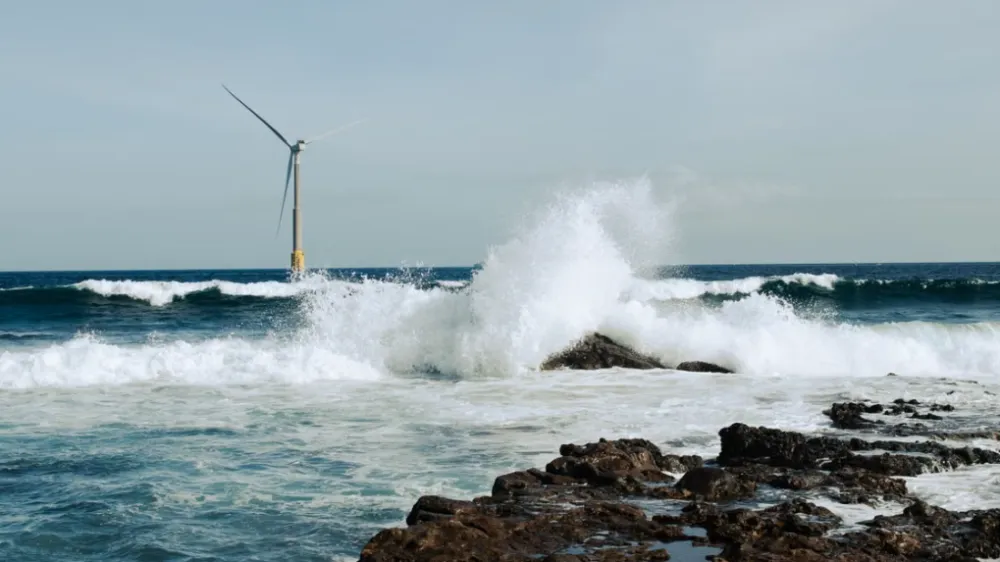
In a new report, GEM said the three countries “have some of the largest wind and solar fleets in the world, all ranking amongst the top five and seven countries globally in terms of operating wind and utility-scale solar capacity.”
They also have more than twice as much wind and utility-scale solar capacity as fossil fuels in development.
However, GEM noted that new members of the organisation are mostly pursuing fossil fuels. Its Global Integrated Power Tracker showed 25 gigawatts (GW) of coal, oil, and gas capacity under construction in the newest BRICS countries versus 2.3 GW of wind and utility-scale solar under construction.
The new BRICS members are Indonesia, Belarus, Bolivia, Kazakhstan, Cuba, Malaysia, Thailand, Uganda, Uzbekistan, and Nigeria.
Beijing is greatly involved in the energy sector of new BRICS members, with 62% of total power capacity under construction involving Chinese state-owned enterprises.
Specifically, Chinese firms are backing 7.7 GW of new coal in Indonesia, despite China’s pledge to end support for overseas coal projects.
The East Asian superpower also dominates when it comes to support wind and solar power in new BRICS members. China is building over half the solar capacity and nearly 90% of wind capacity.
GEM has noted that most new BRICS members have signalled willingness to shift to cleaner sources, despite the dominance of fossil fuels.
Eight of the 10 new members have already committed to a net-zero emissions goal by either 2050 or 2070. Furthermore, all five of the new members currently relying on coal power have put forth a specific timeline for phasing out this energy source entirely.













 Read Here
 Advertise
 Sign Up