Thailand halts 4GW of gas-fired power amidst oversupply, climate push
Updated NDC commits Thailand to 47% emissions cuts by 2035
Thailand has suspended 4 gigawatts (GW) of gas-fired power capacity and delayed a new plant, signaling a major shift in its energy strategy amid electricity oversupply and tougher climate commitments.
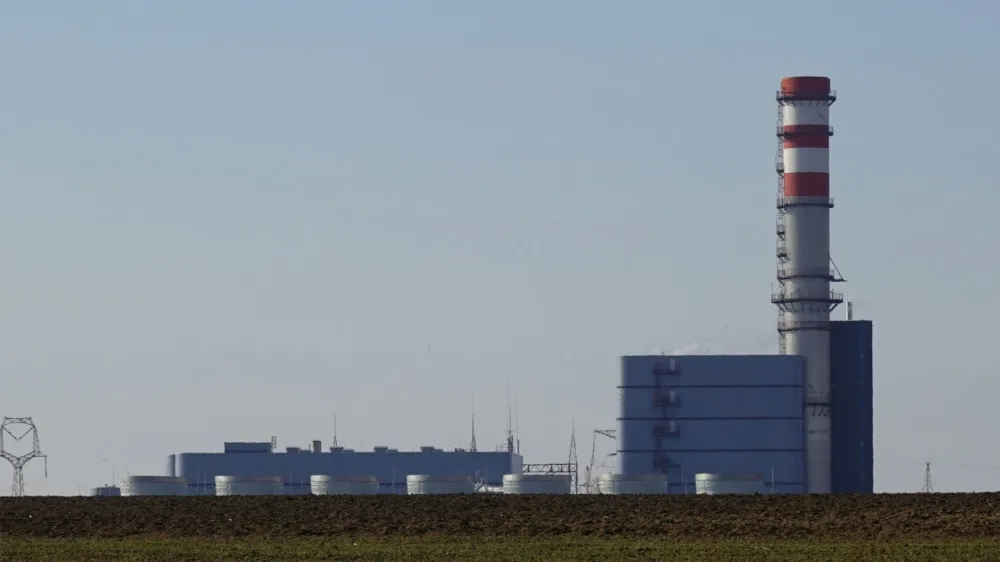
In October, the National Energy Policy Council (NEPC) ordered the suspension of four power plants, including three gas-fired facilities totaling 4GW. A separate 0.6GW gas plant was also delayed. The NEPC said the move was necessary due to excess electricity supply, with the delayed project now scheduled for commissioning in 2029. The suspended plants are expected to resume operations after that year.
The decision comes weeks before Thailand approved its updated nationally determined contribution (NDC) in November 2025. The revised climate plan commits the country to cutting net emissions 47% from 2019 levels by 2035 and reaching net zero by 2050.
The combined impact of the plant suspensions and stronger emissions targets is raising doubts about plans to expand gas capacity. The unfinalised Draft Power Development Plan 2024 had proposed adding 6.3GW of new gas-fired capacity between 2028 and 2037, based on high economic growth projections. A new Power Development Plan is expected in 2026.
At the same time, Thailand’s Draft Gas Plan 2024 projected that liquefied natural gas (LNG) imports could nearly double over the next two decades if domestic exploration falls short. Increased reliance on imported LNG — which is more expensive than domestic gas — would likely push up electricity costs and complicate efforts to meet climate targets.
Thailand’s gas sector is already under strain. Lower domestic production and past expansion of gas-fired plants have doubled LNG’s share in the supply mix, increasing financial pressure on consumers and industry.
The current pause in gas plant operations now puts Thailand at a crossroads, as policymakers prepare to align future energy planning with tighter climate goals and rising cost concerns.


















 Read Here
 Advertise
 Sign Up