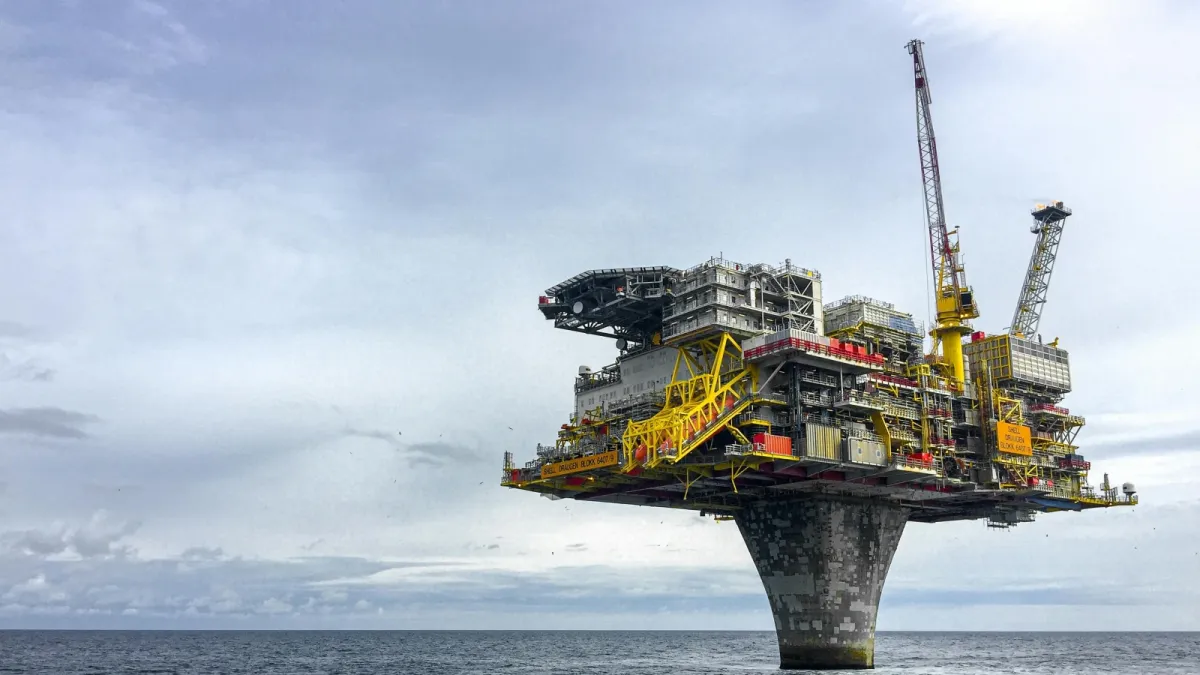
Energy constraints pose biggest credit risk in Asia-Pacific
The Middle East conflict leaves economies exposed to energy supply gaps.
Energy supply constraints are emerging as the central risk to credit conditions across Asia-Pacific, with availability—not pricing—identified as the most significant threat to the region’s energy sector.
According to S&P Global Ratings, the Middle East accounts for about 40% of the region’s energy imports, leaving economies exposed to supply gaps that cannot be quickly replaced.
S&P notes that the shock is shifting from isolated bottlenecks to broader system-wide stress, as reduced energy availability feeds into power generation, fuel supply, and industrial operations across the region.
The report outlines a downside scenario in which Brent crude could peak at $200 per barrel, average $185 in the second quarter, and settle near $130 for 2026.
Under this scenario, inflation could rise by about 1 percentage point in China and by 1.4 to 1.6 percentage points in India and Japan, whilst gross domestic product growth could decline by 0.3 to 0.4 percentage points.
At the same time, Asia-Pacific GDP growth is projected at 4.5% in 2026, but S&P warns that sustained energy disruptions, alongside trade and geopolitical pressures, could weigh on activity and financing conditions.
















 Read Here
 Advertise
 Sign Up