Energy transition stalls as regions lag across key clean technologies
McKinsey flags regional gaps across net-zero technologies.
Progress towards net-zero continues to diverge across regions, with no major economy advancing fast enough across all required clean technologies to remain aligned with Paris-consistent targets, according to McKinsey’s latest energy transition assessment.
The consultancy said regional pathways differ significantly due to variations in policy priorities, infrastructure readiness and resource endowments, resulting in uneven progress across China, Europe and the United States.
Offshore wind deployment remains materially below levels required for net-zero pathways despite expanded project pipelines, McKinsey said. Final investment decisions and construction activity have slowed, particularly outside China, amid cost inflation, supply-chain constraints and permitting delays.
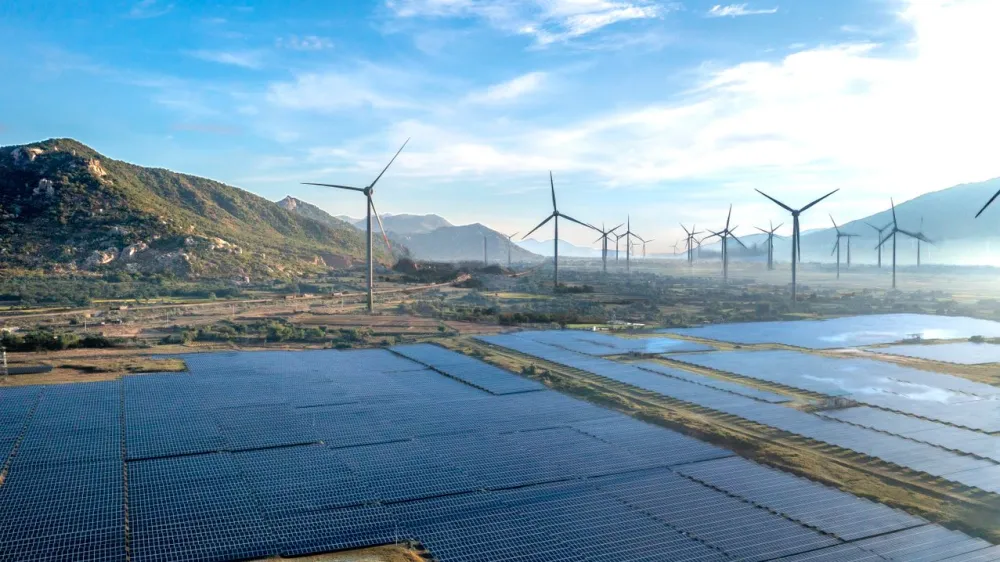
Solar PV continues to scale faster than any other clean technology, with global capacity additions rising 15% in 2024 to 585 gigawatts (GW) driven largely by China, according to McKinsey.
Despite this growth, the consultancy said annual solar build-out rates still fall short of levels required under net-zero trajectories.
Battery energy storage system deployment is increasing rapidly and increasingly supports renewable integration and grid stability, McKinsey said.
Growth remains concentrated in China and the United States, whilst regulatory and market-design constraints continue to slow adoption in other regions.
McKinsey said current deployment of offshore wind, solar PV and battery storage remains insufficient to support large-scale integration of intermittent renewables at the pace required for net zero.
The consultancy said the gap reflects slower-than-needed investment decisions and construction timelines across multiple regions.















 Read Here
 Advertise
 Sign Up