Smart Solar PV placement could boost local environments, IRENA says
They may accelerate the recovery process of degraded lands.
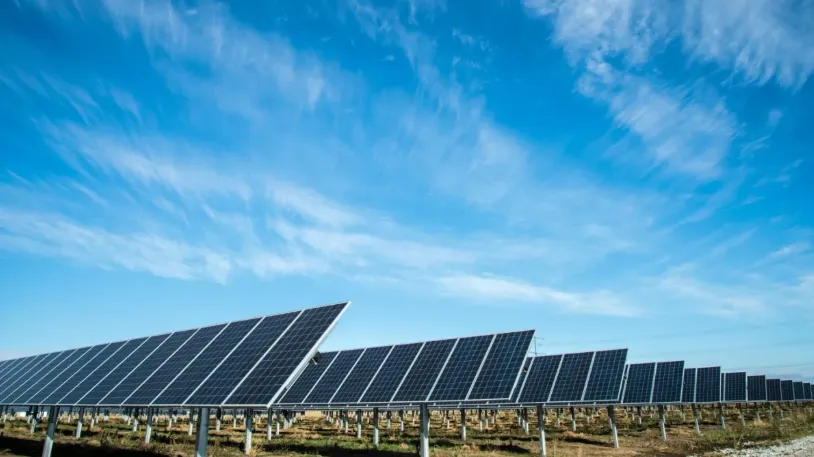
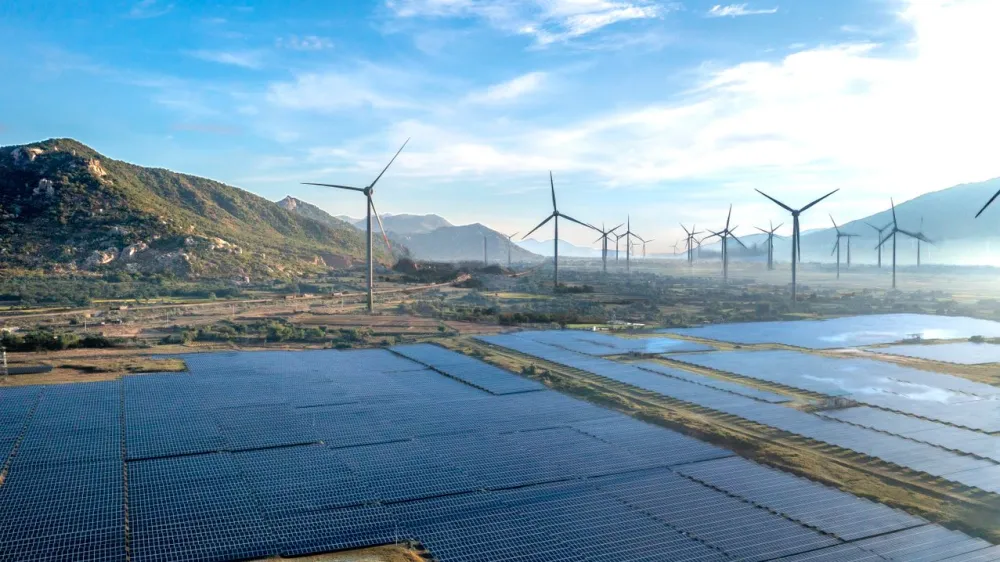
As solar photovoltaic plants affect their surrounding environment, there must be proactive planning in deployment to benefit their local environment, according to a report by the International Renewable Energy Agency (IRENA).
“When solar PV plants are deployed on disturbed or degraded land, for example, they may accelerate the process of land recovery, making the land more fertile,” the report said.
More added value can also be harnessed by combining solar PV operation with different sustainable practices, such as agrivoltaics. “It can improve land-use efficiency and agricultural productivity, which improves food security and the livelihoods of farmers.”
Additionally, in areas where agriculture lacks access to water and electricity, solar PV can be used to power irrigation systems.
Moreover, combining solar PV plants with grazing livestock can reduce fire hazards from overgrown shrubs. It can also save costs on vegetation management, and the panels can protect the animals from heat.
The report cited an instance in Canada wherein a study found that utility-scale solar farms combined with sheep herding can increase farmers' profit up to 40%.
Furthermore, when solar PV projects are deployed in areas with degraded lands, they may control sandstorms and restore local vegetation.
Also, planting pollinator-friendly vegetation under solar PV plants has been shown to create a more suitable habitat for pollinators. In Germany, pollinator presence in agrivoltaic projects increased by 33% to 88%.
“When deployed on water bodies, it may improve water quality and help control detrimental algal growth,” the report added.
Any negative impacts of a solar PV plant on the local environment depend heavily on the selected location and construction approaches.
“For example, replantation under PV panels deployed in areas with fragile ecosystems may introduce invasive species if it is not based on careful assessment of native species,” IRENA warned.
Policies and measures need to address existing barriers whilst enabling expansion of sustainable practices that minimise negative impacts and promote co-benefits.















 Read Here
 Advertise
 Sign Up