Contributed Content
Tailoring Climate Innovation in Southeast Asia
Tailoring Climate Innovation in Southeast Asia
Global momentum is building to achieve net zero in greenhouse gas (GHG) emissions—and to do so more quickly than previously envisioned. Getting there will require unprecedented levels of innovation. Some estimates, such as the P4 pathway defined by the Intergovernmental Panel on Climate Change (IPCC), show that today’s technologies have the potential to reduce global emissions by about two-thirds. More innovation-driven projections—such as IPCC’s low-energy demand pathway, P1—do not bank on any new technologies but instead assume radical business model and policy innovation.
Russia-Ukraine conflict adds impetus to Asia’s energy transition
Clean energy alternatives are a crucial hedge against future disruptions in global commodity markets
Voluntary carbon markets: here to stay?
How can the world accelerate down a net zero pathway when some emissions can’t be abated by current technology? For some companies in hard-to-abate industries, carbon offsets can provide a practical pathway to carbon neutrality, at least while necessary abatement solutions are developed.
Financing the future of green hydrogen
The next energy market disruptor, green hydrogen is moving at lightspeed and global investment, with strong policy support and replication of the solar learning curve, is adding to the momentum.
3 Trends Transforming Gas Investment Opportunities in Asia
By Lee Mather, Black & Veatch
Thought Leadership Centre



Most Read
1. China and India cut fossil power as renewables overtake coal in 2025 2. EMA calls for new power generation capacity to meet rising demand 3. India's ReNew Energy to set up ₹4,200 crore solar manufacturing plant 4. Energy prices rise 24% as oil supply drops 10 million barrels a day 5. Western Australia announces $1b clean energy fund to expand renewable power networkResource Center
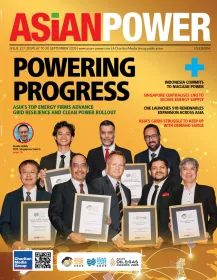
 Read Here
 Advertise
 Sign Up
Event News
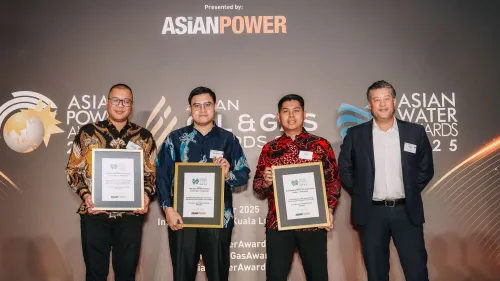
The firm achieved recognition for initiatives addressing critical water access in Bali, reforestation in West Java, and sustainable supply systems in East Java.

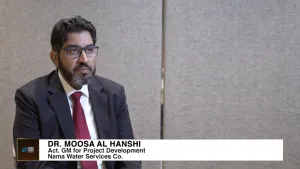
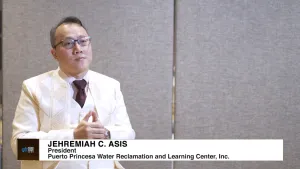







Commentary
Managing risk for Indonesia’s conventional power sector in a decarbonising economy