Staff Reporter
BHEL finally supplies generator shaft for Koteshwar hydro project
BHEL finally supplies generator shaft for Koteshwar hydro project
BHEL has now dispatched the generator shaft for unit-IV of Koteshwar hydro electric project after more than a month completiing uts repair.
India adds a meager 345 MW in October
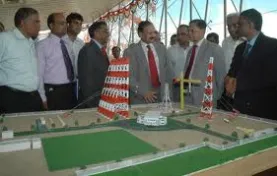
India's capacity addition in the month of October 2011 was dismal, as compared to the previous month. The Central Electricity Authority's latest figures show that the country expanded capacity by 345 MW, as against a target of 2,373 MW. The addition is 85.5% below the target, whereas it had exceeded its target by 36% in September 2011. A majority of this shortfall in capacity addition is attributed to the thermal sector, which fell short of the targeted 2,000 MW by 1,655 MW. There was no contribution from of the hydro sector. Furthermore, the nuclear and renewable energy sectors did not add to the capacity addition during the month. There was no capacity addition achieved against a target of 338 MW under the central scheme and the poor performance of state schemes was reflected in zero capacity addition during the month, as opposed to a small target of 250 MW. Consequently, the private sector has performed better with an achievement of 345 MW, as compared to a target of 1,785 MW. The Indian government had fixed 78,700 MW as a target for capacity addition in the 11th Plan, which was later modified to 62,374 MW during the mid-term appraisal by the Planning Commission.
Yingli Green see revenue fall due to market conditions
Yingli Green Energy reported strong third quarter results despite market conditions.
India to use floating solar plants to bridge energy deficit
Indian entrepreneurs are utilizing expertise from abroad with government subsidies to set up floating solar power plants.
Panasonic to manufacture solar products in Malaysia
Panasonic Corporation will establish a new solar manufacturing unit in Malaysia next month.
New projects push Karnataka Power to secure 10-year coal supply
Karnataka Power Corp is seeking to buy 5 million metric tons of imported power plant coal annually for 10 years in its biggest ever coal tender.
Vietnam electricity price up 4.6% in 2012: minister

There are plans to increase electricity prices in Vietnam by 4.6% in 2012.
Kyushu Elec to urge users to save power from Dec 26
Kyushu Electric will ask users to conserve power from Dec. 26 after it shuts down its last operating nuclear reactor on Dec. 25.
South Asian nations advised to ink energy treaty: Report
South Asian countries were asked to ink a treaty for regional cooperation in the energy sector.
Further delays threaten contracts for Indian project developers
Two more projects under India’s Jawaharlal Nehru National Solar Mission are set to miss their financial completion deadline.
India to build 10 new nuclear plants by 2017
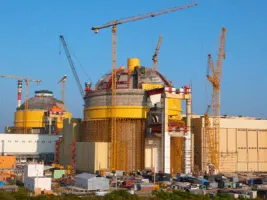
Ten new nuclear power projects are part of India's 12th Five Year Plan, from 2012-17.
Azure Power nabs US$13.6 million in funds from DEG for Indian PV projects
Azure Power India has been supplied with a €10 million or US$13.6 million risk capital in compulsory convertible debentures by Deutsche Investitions – und Entwicklungsgesellschaft .
ADB lends $310 M for Vietnam's Mekong Delta power project
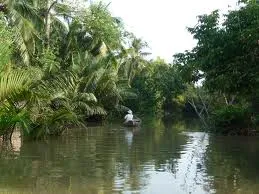
ADB has approved a $309.9 million loan for a new power plant in Vietnam's Mekong Delta.
Kyushu Electric to delay reactor shutdown at Genkai nuke plant
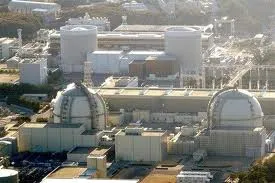
Kyushu Electric Power Co will start a planned inspection of the 1,180-megawatt No.4 reactor at its Genkai nuclear plant on Dec. 25. This will necessitate the shutdown of the reactor on the same day.
Laos, Vietnam to cooperate in power project development
Vietnam and Laos have agreed to cooperate in developing power projects.
India limits liability of nuclear power equipment suppliers

The Indian government has formally announced new rules which cap the liability of nuclear equipment suppliers in case of accidents.
Indian thermal plants' generation falls short by 762 MU in October
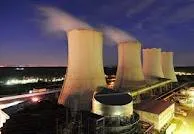
Generation from thermal power stations in all regions in India fell short of the October target.
Thought Leadership Centre



Most Read
1. Annica wins Sarawak solar‑hydrogen project in regional expansion 2. About $165b ASEAN renewable assets face climate risk, Zurich Insurance says 3. Middle East energy disruption spurs Asia coal demand surge, Rystad says 4. SEA green economy to hit $430b by 2030, but grid bottlenecks threaten growth 5. Japan’s US LNG resales equal output of 17 coal plants, report saysResource Center
 Read Here
 Advertise
 Sign Up
Event News

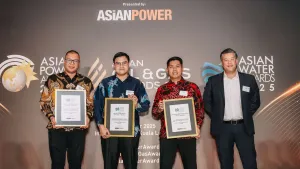
Be amongst the industry leaders recognised for driving innovation and operational rigour across Asia.










Commentary
Malaysia’s energy workforce is upskilling, but to what standard?
Asia’s grid decade: Why transmission will decide the pace of renewable growth
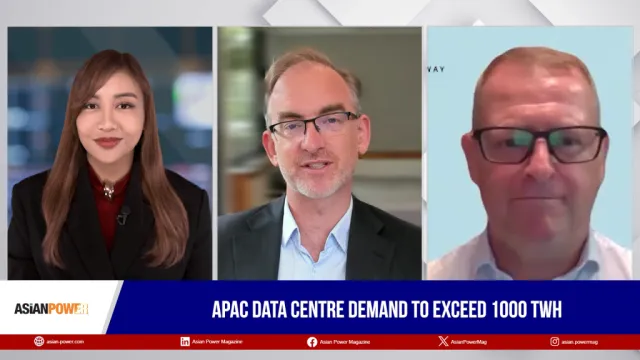
The supply-side blind spot in ASEAN’s data centre boom