Saudi Water Authority recognised at Asian Water Awards 2025 for leadership in sustainability
The Shuaiba and Al Jubail initiatives set new benchmarks in water sector by record low energy consumption, and emissions reduction by using renewable energy to power large-scale desalination.
Saudi Water Authority earned two major awards at the Asian Water Awards 2025: (1) Net Zero Carbon Project of the Year – Saudi Arabia and (2) Renewable Water Energy Innovation Award – Saudi Arabia. Both projects advanced water production through renewable energy integration and efficiency improvements. These recognitions highlight SWA’s commitment to cleaner, smarter water production through renewable energy and improved efficiency.
Shuaiba replacement plant achieves record efficiency
The Shuaiba Phase-1 project (Replacement of Ended Life Time Technologies and Assets for Shuaiba Phase-1 Desalination plant) won the Net Zero Carbon Project of the Year for its outstanding performance in seawater desalination. The upgraded plant delivers 600,000 m3/day of water per day with record-low energy use—just 1.7 kWh/m³ for reverse osmosis and 2.34 kWh/m³ for the entire facility. It also keeps chemical costs low at SAR 0.03/m³, produces 11.3% more water than its design capacity, and maintains over 99% availability for residents in Makkah, Jeddah, Taif, and Al-Baha.
Al Jubail solar project powers large-scale desalination
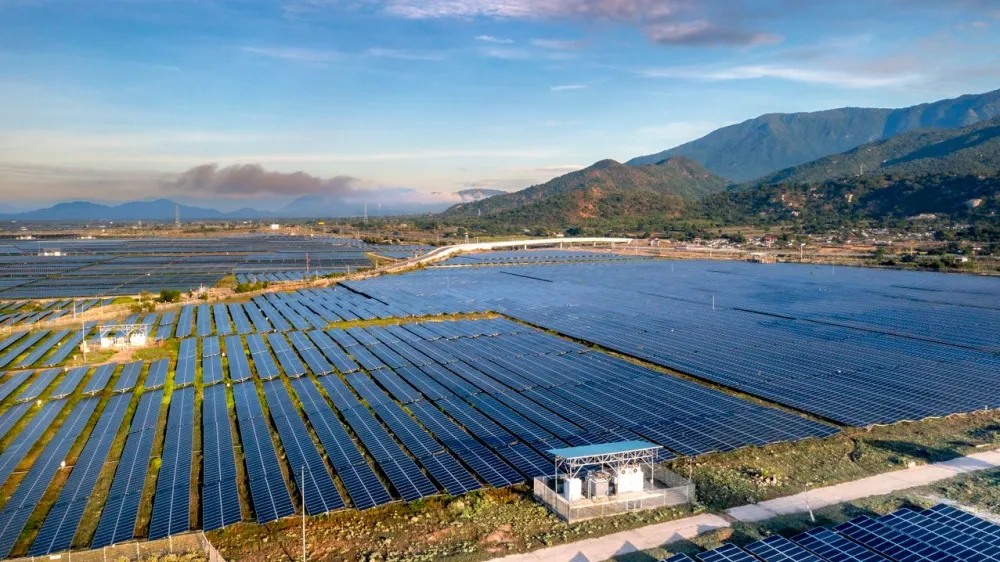
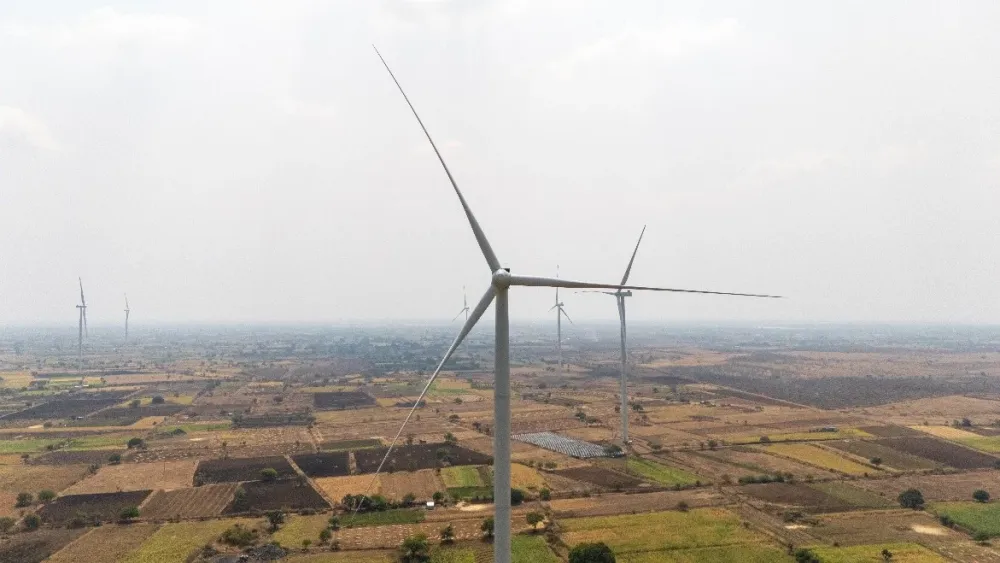
The Renewable Water Energy Innovation Award – Saudi Arabia was awarded to the 55 MW solar photovoltaic project in Al Jubail. This solar farm powers the city’s massive desalination plant, which produces one million cubic metres of water daily. With 93,000 solar panels spread across 366,575 square metres, the system delivers 104 GWh of clean electricity each year.
With an investment of SAR160m, this renewable setup cuts around 78,000 tons of carbon emissions annually and reduces reliance on the national grid by over 10%. It also supports the production of 38.3 million cubic metres of desalinated water per year, lowering the plant’s energy use by roughly 11%.
The solar system also brings financial benefits, saving an estimated SAR20m annually by reducing grid electricity purchases. Its ability to match peak demand times helps limit the need for conventional power during high-load hours.
The Asian Water Awards highlights innovative water projects, initiatives, and organisations that contribute to improved water management, conservation, and sustainability in the region. It aims to promote best practices, foster knowledge sharing, and encourage collaborations across the industry.
The Asian Water Awards is presented by Asian Power Magazine. To view the full list of winners, click here. If you want to join the 2026 awards programme and be acclaimed for your company's revolutionary innovations and initiatives in the water industry in Asia, please contact Danica Avila at [email protected].











 Read Here
 Advertise
 Sign Up