CNI sector to power Southeast Asia's solar boom
It will be driven by regulation, technology, and market pull.
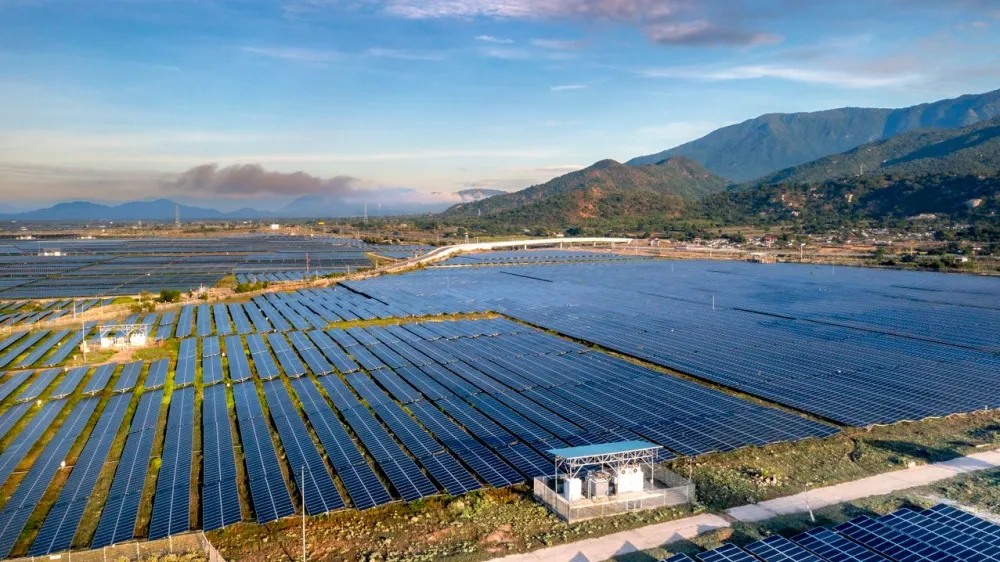
The global solar power market is expected to grow in the coming years, with the Commercial and Industrial (CNI) sector projected to be a primary driver of the market in Southeast Asia.
Sayak Datta, Partner at Roland Berger, said the sector’s growth will be driven by regulation, technology, and market pull during the Asian Power Summit 2025 held in Singapore.
Whilst technology and market pull apply globally, the most significant area for improvement in Southeast Asia is the regulatory environment, Datta noted.
In Southeast Asia, he observed that the overall solar market has not taken off as rapidly since the pandemic as global trends might suggest.
“From a regulatory perspective, critical elements will include clear policies for energy export, support for corporate procurement, streamlined processes, and, crucially, policy stability,” Datta said.
For instance, frequent policy changes in Indonesia can send mixed signals to investors. “The technology and cost angle is country-agnostic, marked by long-term reductions in solar costs and the levelised cost of electricity,” he said.
Meanwhile, market pull is driven by corporate sustainability targets, standardised Power Purchase Agreements across multiple sites, and the pivot toward Energy-as-a-Service, which allows service providers to offload capital expenditure (CAPEX) from customers.
“Malaysia and Vietnam are expected to be the forerunners in solar CNI, followed by Thailand,” Datta said.
He noted that Malaysia has strong drivers like Net Energy Metering for CNI and the Corporate Green Power Programme. “However, challenges include quotas that create a start-and-stop growth pattern, slow approvals, and space constraints”.
As for Vietnam, there are strong regulations and demand for green power from export manufacturers and data centres, yet grid congestion remains a concern.
“Thailand is also improving, with recent regulatory changes, including waivers for rooftops, making CNI more feasible for private estates and logistics parks,” the partner said.
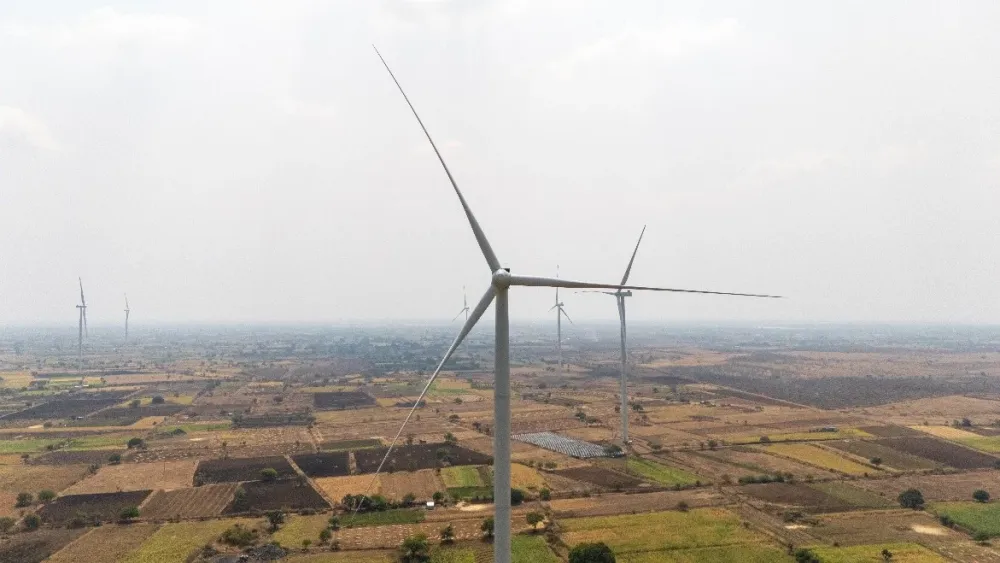
Ultimately, Datta said the rapid and significant growth of CNI solar in India—a 30x increase since 2017— offers a valuable case study for Southeast Asian countries to accelerate their own solar CNI growth.


















 Read Here
 Advertise
 Sign Up