
China advances coal fleet retrofitting amidst energy transition
The country’s entire coal fleet is projected to be fully flexible by 2027.
China’s energy transition is entering a critical phase as it begins its 15th Five-Year Plan, ahead of the 2030 carbon peaking target.
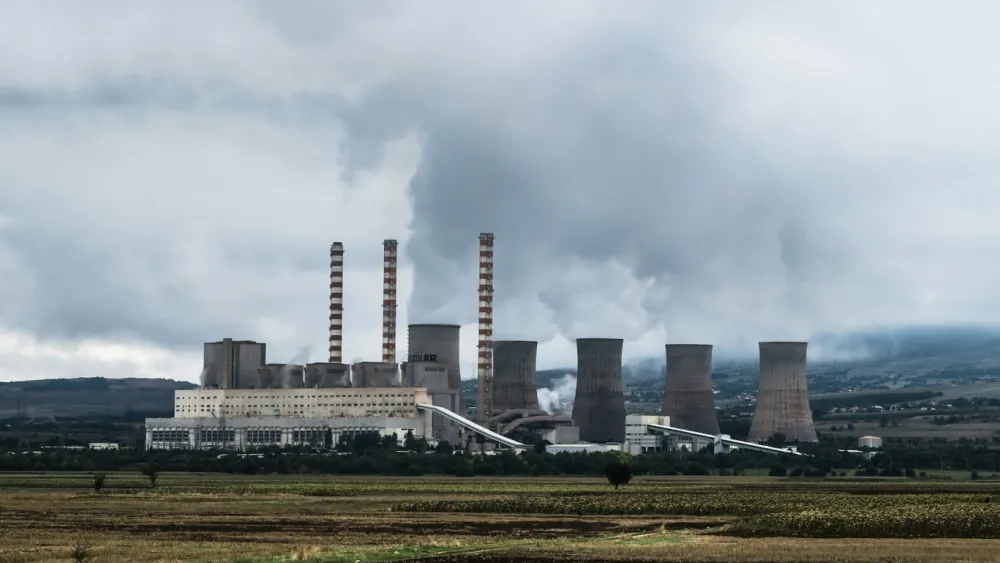
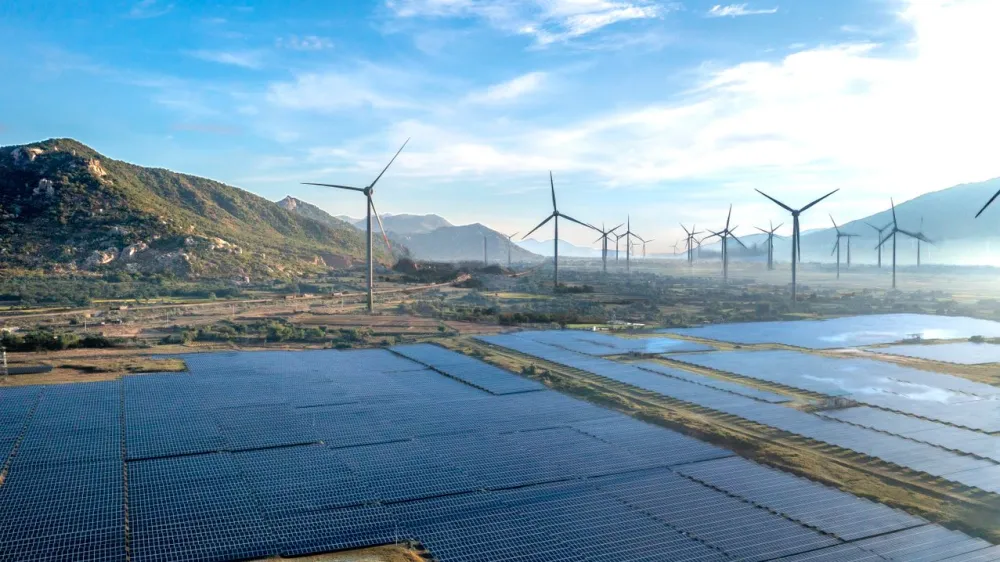
In a report by Ember, the rapid expansion of wind and solar power is reshaping the country’s electricity system, gradually shifting coal from its traditional role as a baseload source to a more flexible “system balancing” function. This change is being driven by both operational needs and deliberate government policy.
During the 14th FYP, China undertook extensive retrofitting of its coal-fired power plants, increasing their operational flexibility to respond to fluctuating renewable generation.
Analysts now estimate that the country’s entire coal fleet could be fully flexible by 2027.
However, experts warned that completing these retrofits also means that the physical flexibility reserves of existing coal capacity will soon be fully utilised.
Power plants face mounting pressure from high upfront investment costs, operational expenses tied to flexible operations, and reduced revenues due to lower electricity generation.
The report noted that clean energy technologies, particularly battery storage, offer far superior technical flexibility. China has already installed nearly half of the world’s battery energy storage capacity and continues to see rapid growth in this sector.
Analysts cautioned that if clean flexibility solutions do not scale as quickly as renewable capacity, the power system may need to rely on additional coal, potentially locking in emissions and reducing efficiency beyond 2030.
Meanwhile, ongoing power market reforms and improvements in system operations are progressing. Experts say that careful design and implementation will be essential to unlocking remaining flexibility, ensuring grid stability, and supporting the nation’s accelerating renewable energy ambitions.

















 Read Here
 Advertise
 Sign Up