Global renewable energy capacity to double by 2031
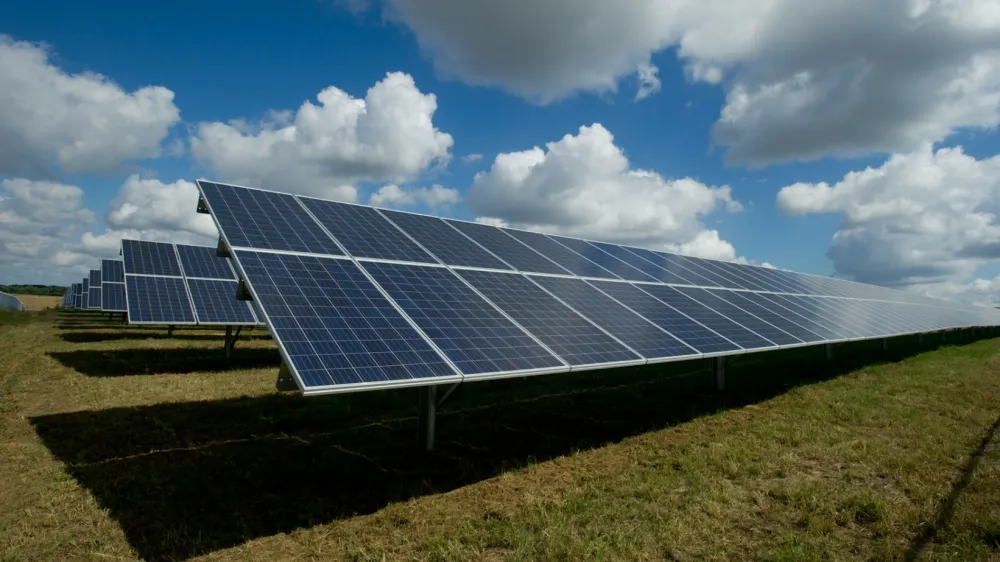
Solar PV is now the top renewable source.
Global renewable energy capacity is set to more than double from 4.1 terawatts (TW) in 2025 to 8.4 TW by 2031, growing at a 13% annual rate, according to GlobalData.
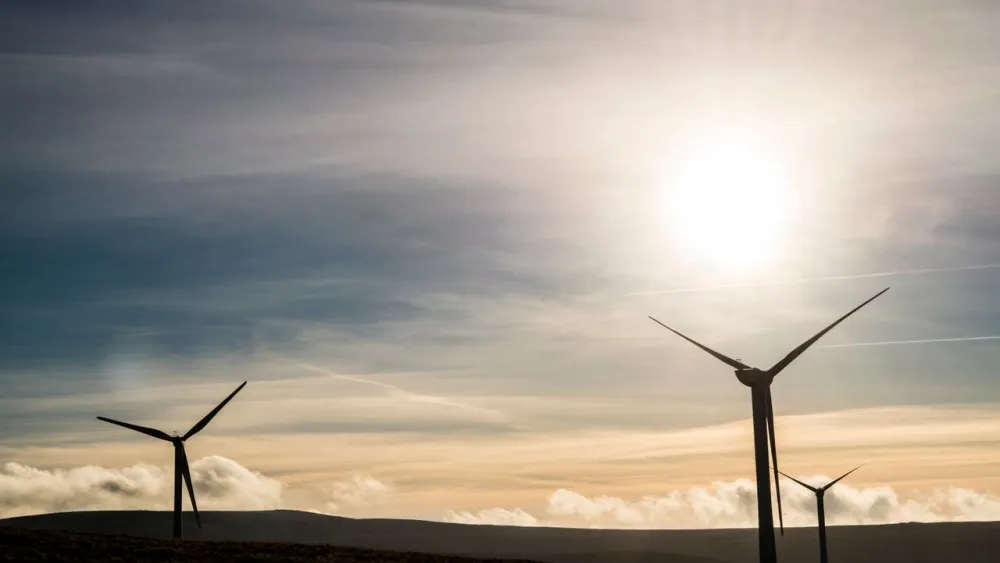
In 2025, the Asia–Pacific region led installations, with China installing 1,550 GW of solar PV and 699.5 GW of wind, as per Globaldata's Renewable Energy: Strategic Intelligence report.
China generated 1,150 TWh of solar electricity—41% of global output—followed by the US (486 TWh) and India (189 TWh). Solar PV now accounts for 56.1% of global renewable capacity, with wind at 33.5% and biopower 5.3%.
“Solar PV and wind will remain pivotal to the renewables transition globally,” said Rehaan Aleem Shiledar, power analyst at GlobalData. “In 2025, solar PV emerged as the largest source of renewable electricity generation, surpassing wind.”
He noted that the wind output is estimated at 2,770TWh in 2025, compared to 2,800TWh from solar PV.
China’s rapid PV deployment is being fuelled by carbon-neutrality targets, supply-chain investment, and sharp cost reductions, making solar amongst the cheapest sources of electricity.
AI is emerging as a key tool in the sector, optimizing grid operations and storage, while data centers are driving new demand for renewable power. Companies like Google, NextEra Energy, Equinix, and CleanMax are investing in large-scale clean energy to power AI workloads.
“By enabling real-time balancing of supply and demand, AI reduces curtailment and operating costs while reinforcing overall grid resilience,” said Shiledar.
The surge in AI-driven workloads is also boosting electricity demand from data centers, prompting major technology firms to secure renewable energy supply. In December 2025, Google partnered with NextEra Energy to develop gigawatt-scale AI data centers powered by clean energy. Similarly, Equinix teamed with CleanMax on a 33 MW captive renewable project.
Shiledar warned of a “two-speed” global market: US federal support is shifting toward fossil fuels, slowing domestic renewables, while China and the rest of the world continue record investment and capacity growth.
In 2025, clean energy drove over 90% of incremental investment in China and contributed more than a third of overall economic expansion.

















 Read Here
 Advertise
 Sign Up