Thailand eyes 50% clean energy in 2026 after 2025 feed-in-tariff delays
The 2026–2050 Power Plan targets over 50% clean energy.
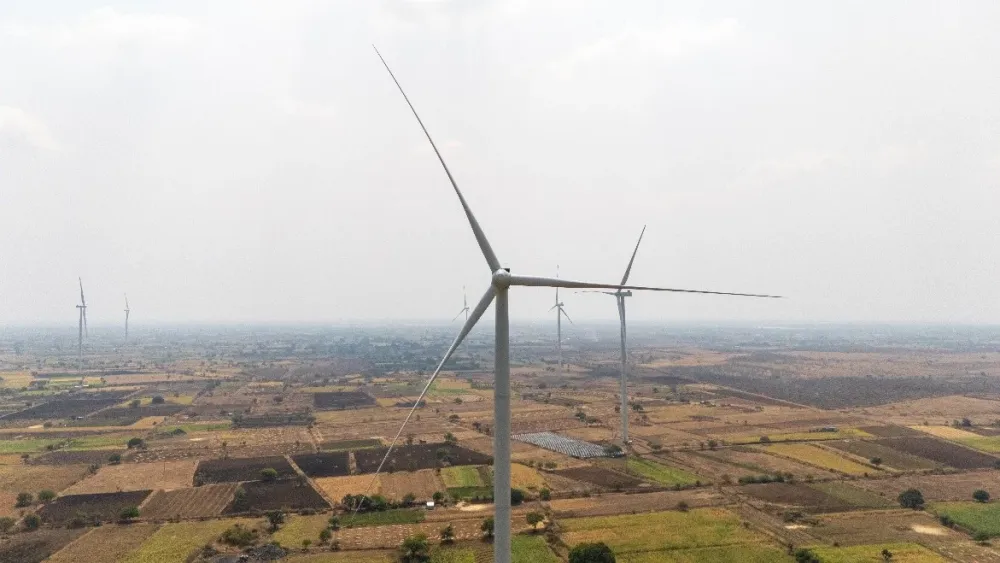
Thailand’s renewable energy rollout slowed in 2025 due to postponed feed-in tariff procurement and tariff uncertainty, according to a report by Watson Farley & Williams. The government is betting on 2026 to reverse the trend.
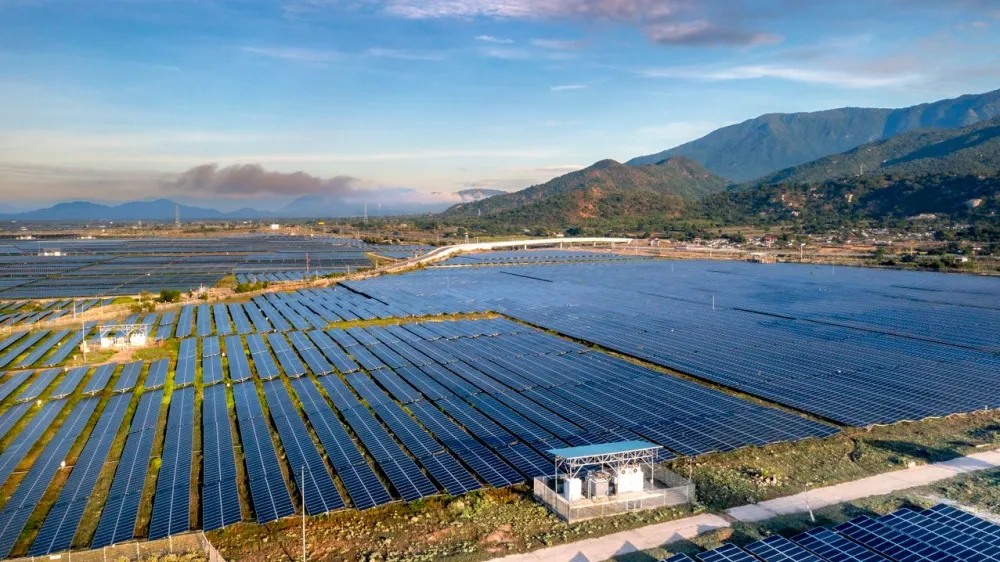
The draft 2026–2050 Power Development Plan aims to expand renewables—including floating solar—boost the clean energy share above 50%, and accelerate Thailand’s net-zero pathway. Investor confidence will depend on clear tariffs, project sequencing, and the shift from pilot programs to scalable markets.
Advanced technologies like small modular reactors (SMRs) and carbon capture and storage (CCS) will also see regulatory groundwork and feasibility studies in 2026, though commercial deployment remains years away.
Thailand’s energy transition in 2025 marked a shift from policy signalling to market architecture. The Draft Climate Change Act, approved in principle by Cabinet in December 2025, consolidated climate governance under a single statutory framework, establishing a National Climate Change Policy Committee, a National Climate Fund, and a national greenhouse gas database, whilst enabling frameworks for emissions trading, carbon taxation, and a carbon border adjustment mechanism.
Additionally, the Utility Green Tariff (UGT1), launched in February 2025, allowed corporate consumers to procure renewable electricity via utility-supplied power bundled with renewable energy certificates.
Early regulatory work on direct power purchase agreements (PPAs) and third-party access guidelines, particularly for data centres, clarified the direction toward more flexible procurement models, it added.
The report also noted that progress on carbon capture and storage (CCS), though incremental, was strategically important, with draft amendments to the Petroleum Act outlining licensing pathways for carbon storage and laying the groundwork for future deployment.
















 Read Here
 Advertise
 Sign Up