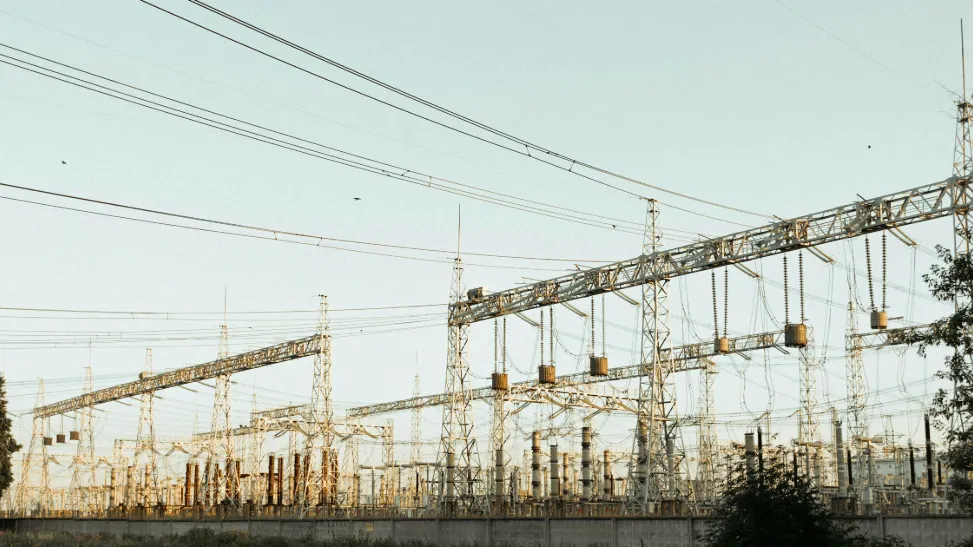
Wood Mackenzie: Energy transition’s short-term costs pale beside risks of delay
Achieving net zero will require $117t in investments between 2025 and 2050.
The energy transition carries real short-term economic costs — but delaying it carries far greater ones, according to a new report from Wood Mackenzie.
Under Wood Mackenzie's net zero scenario — a 1.5°C global warming pathway — the global economy contracts by 1.6% relative to the base case (a 2.5°C trajectory) by 2050.
Under its country pledges scenario, consistent with a 2°C outcome, the contraction is smaller at 1.1%.
The picture reverses decisively within two decades, and by 2070, cumulative gross domestic product (GDP) growth turns net positive under both accelerated transition scenarios.
By 2100, annual global GDP is projected to be 32% higher under net zero and 21% higher under the country pledges scenario than in the base case—entirely attributable to avoided climate damages.
Moreover, the global economy is projected to grow at 2.2% compound annual growth rate between 2025 and 2100 under net zero and 2.1% under country pledges, versus 1.9% in the base case.
Achieving net zero will require $117t in energy-related investment between 2025 and 2050, with the bulk of that capital flowing toward electrification and renewables.
“Governments must urgently remove the regulatory barriers that are currently impeding the development and upscaling of low-carbon technologies,” Wood Mackenzie said.
The report identifies hydrocarbon-dependent economies as facing the greatest growth constraints, owing to stranded domestic fossil-fuel assets and the extensive decarbonisation requirements.
Meanwhile, most of the APAC countries sitting on the other side of this divide will need to manage stranded asset risks as transition timelines compress.
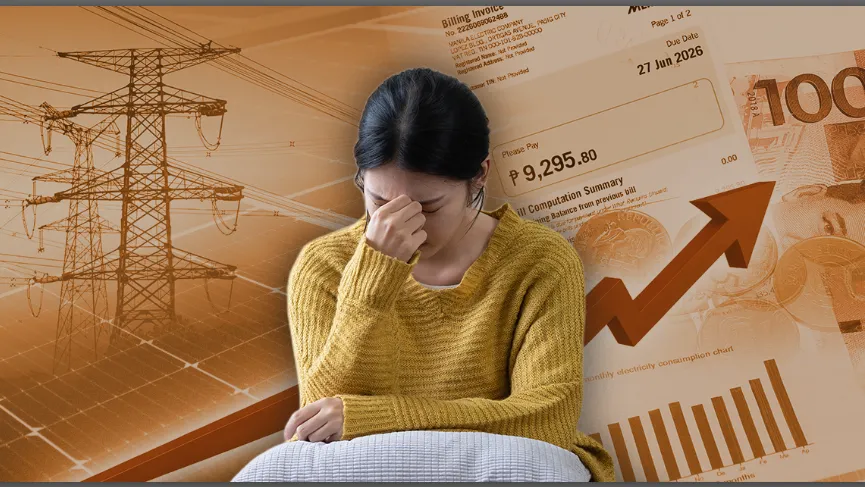
Upfront transition costs will add to near-term cost-of-living pressures for households even if the economic benefits outweigh those costs by a substantial margin over the very long term.
The report calls for financing to be optimised and urges governments to balance energy security benefits, not defer difficult decisions until cost-of-living pressures ease.













 Read Here
 Advertise
 Sign Up