
Asia’s grid decade: Why transmission will decide the pace of renewable growth
By Arif AgaAs renewable increases, the limitations of transmission and grid systems are becoming more visible.
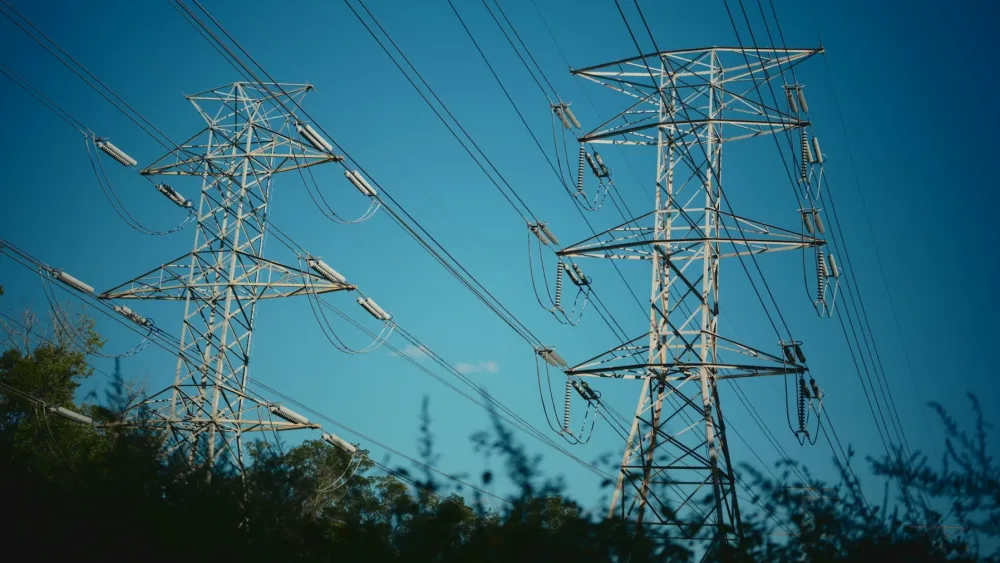
Asia’s renewable energy growth is no longer constrained by generation; it is increasingly constrained by the grid. Over the past decade, the region has scaled solar and wind capacity at an unprecedented pace, supported by policy momentum, cost reductions, and strong investor participation. However, as renewable penetration increases, the limitations of transmission infrastructure and grid systems are becoming more visible, shaping the next phase of the energy transition.
This marks a structural shift. The focus is moving from capacity addition toward system integration, where the ability to transmit, balance, and deliver power reliably becomes the defining factor for success. In practical terms, renewable energy in Asia is no longer only about how much capacity can be built, but how effectively that capacity can be connected and utilised.
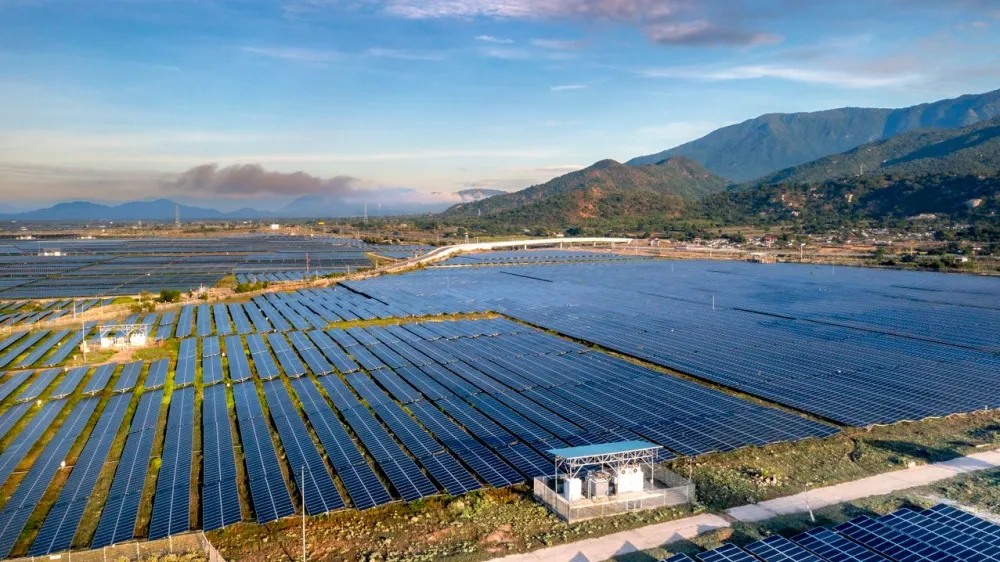
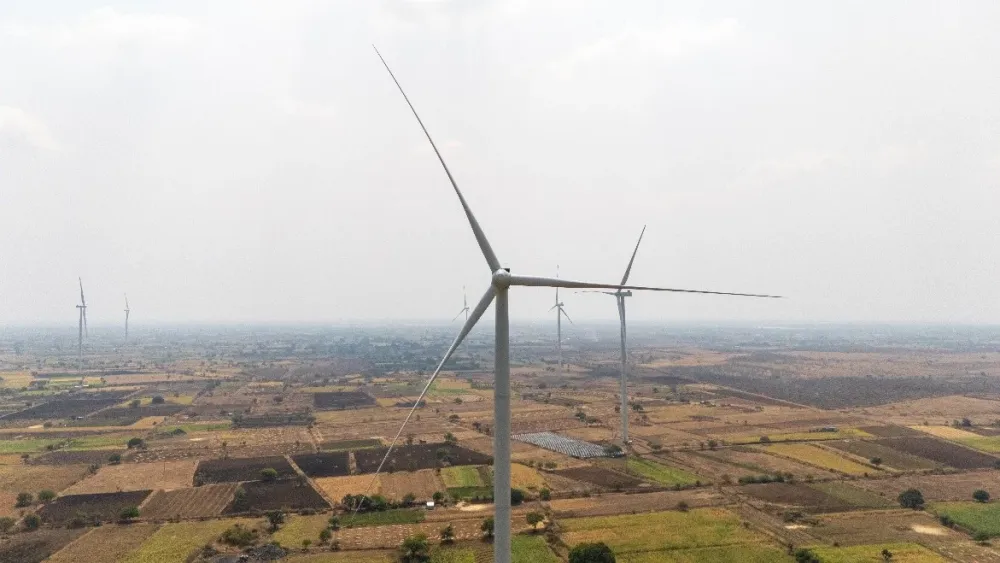
Across many Asian markets, renewable resources are geographically distant from demand centres. High solar irradiation zones in India and the Middle East, for example, are often located far from load centres, whilst wind resources are concentrated in coastal or elevated regions.
Existing transmission networks, largely designed around conventional generation, are not always equipped to manage this new configuration. As a result, curtailment risks, delays in grid connectivity, and underutilisation of assets are becoming increasingly common.
Experience across Asia indicates that these challenges are not driven by limitations in renewable technology, but by the sequencing and depth of technical planning. Projects that incorporate early-stage grid impact analysis, interconnection studies, and realistic engineering assumptions tend to demonstrate stronger delivery outcomes and higher investment confidence. Conversely, projects where grid considerations are addressed later often encounter avoidable delays and performance constraints.
This has become evident across multiple markets. In large-scale solar developments exceeding 800MW in West Asia, alignment between generation design and transmission expansion has consistently influenced project viability and delivery timelines. Similarly, in Central Asia, utility-scale solar projects in the range of 200–500MW have required detailed grid interconnection studies and dynamic modelling to ensure system stability under variable generation conditions.
In Southeast Asia, feasibility and lender technical advisory assignments, often for 50 to 150MW solar and hybrid projects, are increasingly incorporating grid capacity assessments and evacuation planning as a core component of early-stage development.
In South Asia, particularly in India, the rapid expansion of renewable capacity has led to increasing deployment of hybrid systems combining solar photovoltaic generation with battery energy storage. Projects in the range of 100–300MW, integrated with storage and supported by detailed power system studies, are being designed to improve dispatchability and align with evolving grid requirements. These developments reflect a broader shift toward system-integrated renewable solutions rather than standalone generation assets.
Transmission infrastructure, in this context, refers to the high-voltage network required to transport electricity from generation sources to demand centres. As renewable penetration increases, these systems must evolve to manage variability, maintain stability, and enable flexible operation. This requires not only expansion of physical infrastructure, but also more advanced planning approaches, including load flow studies, transient stability analysis, and long-term grid integration modelling.
At the same time, project timelines across Asia are accelerating. Investment decisions are being made earlier in the development cycle, often before all technical parameters are fully defined. This increases the importance of reliable feasibility inputs, realistic design assumptions, and independent assessment of technical risks. Without this level of rigour, projects may face challenges that are difficult to resolve during construction or operation.
Within this environment, independent engineering and technical advisory play a critical role. An independent approach enables objective evaluation of project design, grid integration, and performance expectations, free from construction or equipment supply influence. This separation supports clearer risk identification, stronger alignment with lender requirements, and improved quality assurance during project execution.
The evolution of independent engineering capability has also been shaped by broader industry developments. As project complexity increases and systems become more interconnected, stakeholders are placing greater emphasis on technical transparency and accountability. Independent advisory, operating without alignment to construction or supply chains, is increasingly seen as essential in supporting bankable and technically robust project outcomes.
Looking ahead, Asia’s renewable energy trajectory will depend on how effectively transmission and grid infrastructure are developed alongside generation capacity. Governments and utilities will need to adopt more integrated planning approaches, ensuring that transmission expansion aligns with renewable deployment targets. This includes investment in high-capacity transmission corridors, modernisation of grid infrastructure, and the adoption of digital tools for system monitoring and control.
Battery energy storage systems will also play a central role in enabling grid flexibility. By supporting load balancing and improving dispatchability, storage technologies can help mitigate the challenges associated with variable renewable generation. However, their effectiveness remains closely linked to overall grid design and operational strategy.
Regional collaboration will further influence this transition. Cross-border transmission infrastructure and interconnected power markets have the potential to improve resource utilisation and enhance system stability across Asia. Whilst such developments require coordinated regulatory frameworks, they represent a significant opportunity to accelerate renewable energy deployment at scale.
Ultimately, Asia’s renewable energy ambitions are unlikely to be constrained by resource availability or technology readiness. The determining factor will be the ability of power systems to integrate, transmit, and manage increasing volumes of renewable energy effectively.
The question for the region is no longer how much renewable capacity can be built, but how efficiently it can be delivered. Transmission will define that outcome and, in doing so, will shape the pace and success of Asia’s energy transition.
















 Read Here
 Advertise
 Sign Up