
Pakistan’s LNG supply hit as Middle East conflict halts Qatar cargoes
Qatar cuts shipments as a 28,000-MW summer demand gap emerges.
Pakistan’s reliance on imported liquefied natural gas (LNG) has come under pressure after the escalation of conflict in the Middle East disrupted shipments through key supply routes, the Institute for Energy Economics and Financial Analysis (IEEFA) said.
Qatar—which accounts for around 90% of Pakistan’s LNG imports and 20% of global supply—has sent only three cargoes since the conflict began, with its Ras Laffan facility caught in the crossfire and damage to production capacity is expected to take up to five years to repair.
“The crisis has severely diminished Pakistan’s LNG supply and exposed the country’s over-reliance on long-term contracting,” it said.
The country’s LNG supply halted in March 2026 following the disruption of flows through the Strait of Hormuz, reducing fuel availability for the power sector, which consumes almost 70% of imported LNG.
Authorities have introduced austerity measures, including fuel rationing and reduced commercial activity hours, the institute noted.
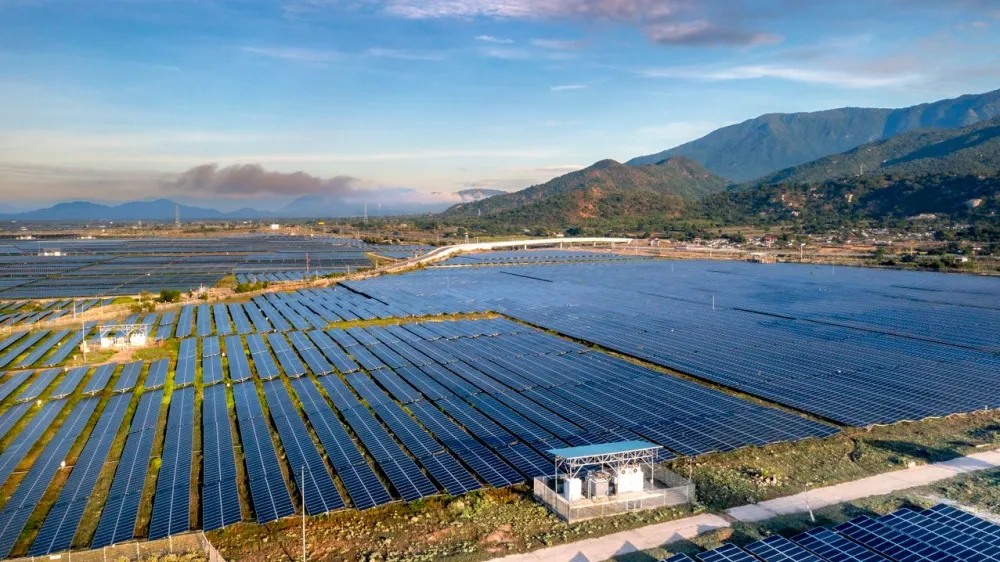
The power sector has so far avoided prolonged shortages due to increased solar capacity and higher hydropower output, which has risen to almost 4,100 megawatts (MW) from 1,800 MW.
Peak electricity demand is expected to exceed 28,000MW in summer, increasing reliance on LNG-fired generation during evening hours when solar output falls.
The government has considered spot LNG procurement to meet shortfalls, where it secured cargoes at $18.4 per million British thermal units (MMBtu) in April 2026 and $19.1 per MMBtu in June 2026.
“At these elevated prices, LNG-based power production could cost up to $0.18 per kilowatt-hour, excluding operational costs and fixed capacity charges,” IEEFA said.
Spot market competition has intensified, with prices reaching up to $28 per MMBtu. Japan-Korea Marker futures traded at around $16.5 to $18.8 per MMBtu during recent transactions.
Higher oil-linked contract slopes of 15% to 17% for short-term agreements also raise long-term procurement costs.
Battery energy storage systems offer an alternative to LNG use during peak demand periods.
Under accelerated deployment scenarios, imports of battery storage could reach 16.1 gigawatt-hours by 2030, covering 54% of projected peak demand.
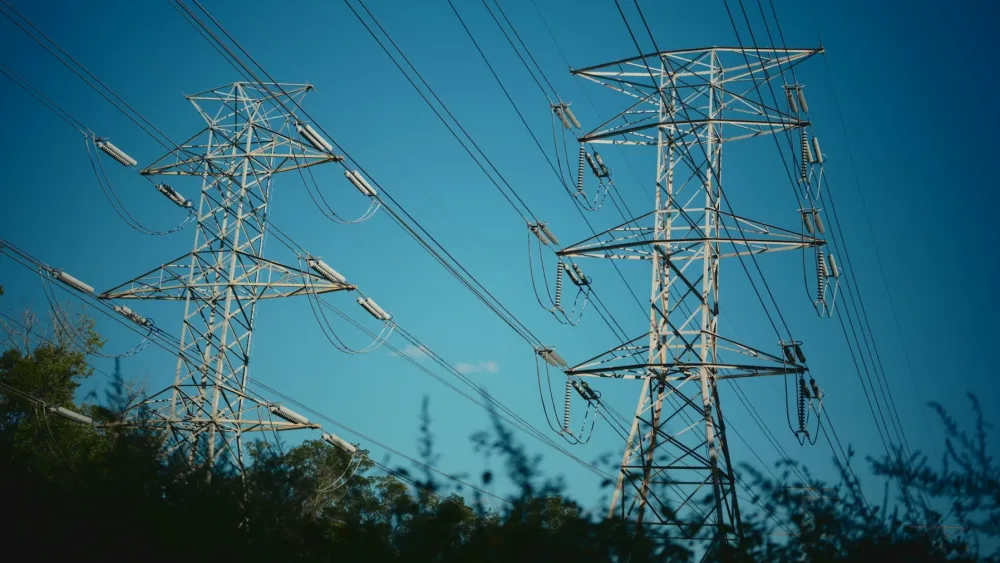
Grid integration constraints remain, including limited smart meter deployment, insufficient transformer monitoring and lack of feeder-level automation.

















 Read Here
 Advertise
 Sign Up