Japan finally sets test for virtual power plant for renewables
Commercialisation is targeted in 2020.
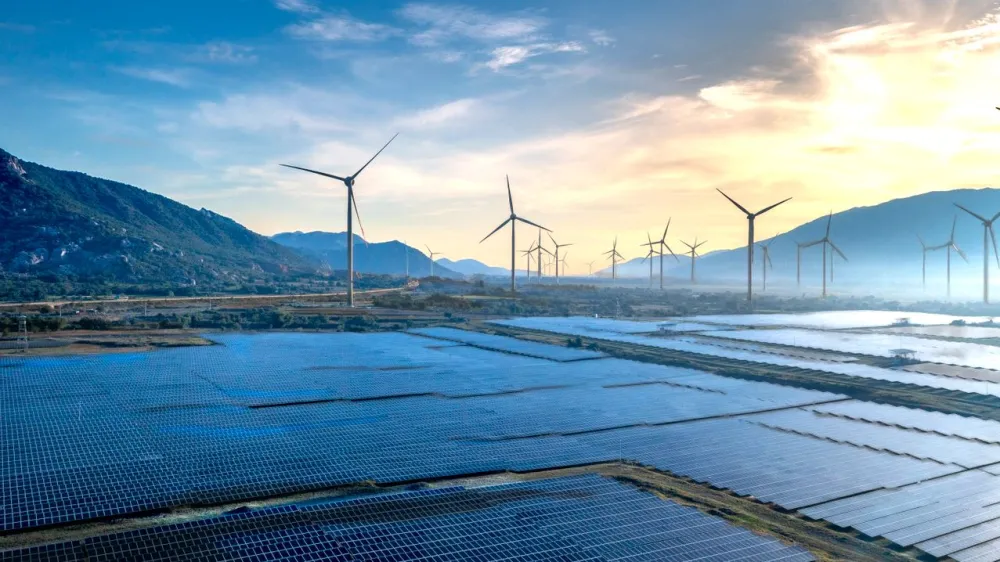
Kansai Electric Power will be teaming up with almost a dozen partners including Hitachi and Mitsubishi Corp for the virtual power plant (VPP) system. The VPP system was designed to bring together energy from solar panels and wind turbines in different locations and shall be distributed as needed or stored for future use. It was made to address the pressing flaw in renewable energy sources: supply shortage when output is affected by weather or any uncontrollable and natural factor. In instances like this, conventional power plants must be ready as a back-up to continue providing power.
The VPP system aims to store excess electricity in batteries and shall be used during power shortage.
The pilot test will be launched soon and Kansai Electric eyes commercialisation come 2020.
The government, armed with a target of 20% renewables share in Japan's energy mix by 2030, is backing the project. METI eyes providing up to 3 billion yen or $28.7m in subsidies for the VPP system's development.

















 Read Here
 Advertise
 Sign Up